
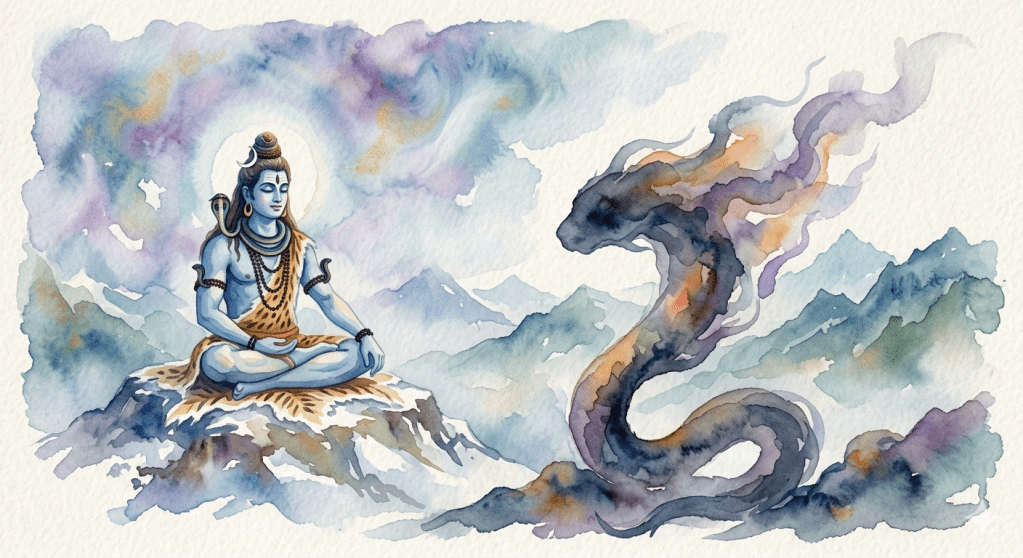
There is a quiet, haunting beauty to the planet Ketu in Vedic astrology. Unlike the visible planets that light up our night sky, Ketu is a shadow planet—a mathematical point in space that carries an immense, almost magnetic spiritual weight. Often referred to as the “South Node of the Moon,” Ketu represents what we are ready to let go of, what we have already mastered and the karmic debts we carry from lifetimes before this one.
When Ketu sits heavily in a birth chart, particularly when it is closely intertwined with other planets, life can feel less like a blank canvas and more like a book already half-written. It creates a deep, unshakeable feeling that you are constantly reacting to an invisible script.
The Anatomy of a Heavy Ketu
In astrology, a “heavy” Ketu placement usually means the shadow planet is occupying a pivotal area of your life—like the house of identity, career, or relationships—or it is tightly conjunct (sitting right next to) other personal planets.
Because Ketu is considered a headless body, it does not operate through logic, sight, or worldly ambition. Instead, it operates through raw instinct, detachment, and isolation. When Ketu touches another planet, it essentially “eclipses” that planet’s normal way of functioning. It infuses that planet with an ancient, weary energy. If you have a heavy Ketu, you might feel an innate sense of dissatisfaction or a strange urge to walk away from things just as you achieve them. It is the cosmic eraser, constantly asking you to look beyond the material world.
The Conjunctions
When another planet enters Ketu’s territory, a karmic contract is signed. These conjunctions indicate specific areas where your past-life actions are bleeding into your present reality, demanding resolution.
The Eclipsed Mind (Ketu and the Moon or Mercury)
When Ketu joins forces with the Moon (the planet of emotions) or Mercury (the planet of intellect), the heavy lifting happens entirely within the psyche. A Moon-Ketu conjunction often signals a past life of emotional isolation or deep spiritual seeking that left you detached from human warmth. In this life, it manifests as an unexplained sadness or a feeling of being an outsider in your own family. When joined with Mercury, the mind operates on hyper-intuitive tracks, often making the person feel misunderstood by a world that relies only on logic.
The Burnout of Power (Ketu and the Sun or Mars)
When Ketu touches the fiery planets like the Sun (ego and soul) or Mars (action and drive), the karmic theme is often the misuse or surrender of power in a past life. A Sun-Ketu placement can make a person intensely private, deeply uncomfortable with the spotlight, or plagued by a chronic doubt regarding their own worth. Mars with Ketu creates a strange, bubbling frustration—an ancient anger that feels difficult to channel, often leading to cycles of intense ambition followed by sudden, total burnout.
The Sacred Detachment (Ketu and Venus or Jupiter)
When Ketu conjugates with the gentler planets, it fundamentally alters what we value. Venus with Ketu is perhaps one of the most poignant karmic placements, often indicating that in past lives, love was either sacrificed or deeply unfulfilled. In this lifetime, the individual may chase idealised, soulful connections, only to feel a sense of disillusionment with ordinary human relationships. Jupiter with Ketu, on the other hand, is the mark of the ancient priest or philosopher. It brings a deep, intuitive understanding of the universe, but often at the cost of feeling completely disconnected from societal norms and dogmatic religions.
The Debt of Past Life Karma
Why does a heavy Ketu feel so burdensome? The answer lies in the concept of Prarabdha Karma—the specific portion of our past-life baggage that has matured and must be experienced in this lifetime.
Ketu represents skills you have already perfected to the point of exhaustion. If you have Ketu conjunct Venus, you may have spent lifetimes mastering the arts or navigating romance, to the point where your soul finds it repetitive. If it is with the Sun, you may have been a ruler or a person of high status who realised that fame is empty.
Therefore, in this life, Ketu creates a “phantom itch.” You are naturally drawn to the qualities of the planets touching Ketu because they feel familiar, yet every time you try to grab onto them, they slip through your fingers. This is not the universe being cruel; it is a gentle, albeit frustrating, redirection. Ketu starves the ego in these specific areas so that the soul is forced to look inward.
The Gridlock of Familiarity
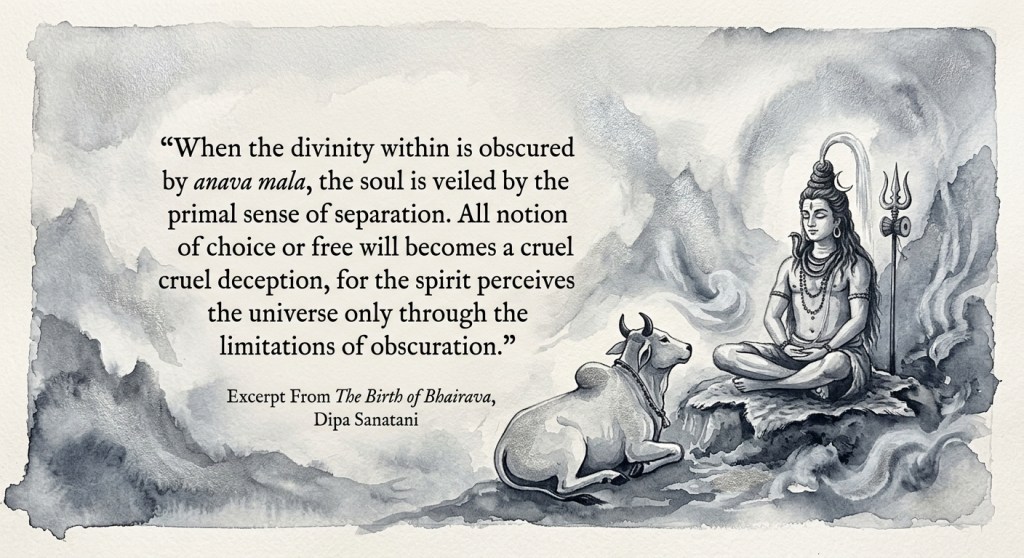
One of the most confounding paradoxes of a heavy Ketu placement is the fierce, almost immovable resistance to change it creates. Because Ketu represents our past-life conditioning, it acts as a powerful cosmic comfort zone—even if that comfort zone is built on suffering, isolation, or stagnation.
When life presents a golden opportunity to break a toxic cycle, start fresh, or adopt a healthier perspective, an individual with a strong Ketu will often choose to stick to their guns instead. This is because the present opportunity feels alien and untested, whereas their current struggle feels deeply familiar to the soul.
Ketu creates a spiritual stubbornness; it convinces the mind that there is safety in the old way of suffering, leading a person to reject the lifeboats sent to save them simply because they prefer the predictable weight of their ancient anchors.
Walking the Shadow Path
Living with a heavy Ketu placement requires a shift in perspective. If you fight Ketu by trying to build an empire out of the very things it is trying to dissolve, you will likely encounter chronic frustration, anxiety, and a sense of cosmic roadblocks.
The secret to honouring a heavy Ketu is surrender—a conscious choice to let go of control. Ketu asks you to accept that certain areas of your life are meant to be spiritualised rather than materialised. When you stop demanding that your Ketu conjunctions bring you worldly validation, the heavy, suffocating weight begins to lift. In its place, Ketu leaves an unshakable peace, transforming ancient karmic debts into a wellspring of quiet wisdom and true spiritual freedom.



Leave a Reply