
We often navigate the world believing that intentions can be buried, that quiet injustices remain unnoticed, or that entitlement can claim what only spiritual merit can hold. But divine law operates on an entirely different plane—one of absolute sight, clarity and balance.
When I wrote The River Empress, I found myself returning constantly to a single central truth: “Sins that are hidden from human eyes do not escape the watchful eye of the gods…” At its core, The River Empress explores this exact tension through a story of divine grace and cosmic realignment.
The narrative follows a couple who is blessed with a divine child. Yet, despite receiving such extraordinary grace, their actions and character prove they are fundamentally unworthy of the gift. Human desire may grasp for something sacred, but unworthiness cannot sustain it. Ultimately, the universe rights the balance: the child is taken from them and awarded instead to a childless couple whose lives have been defined by quiet righteousness and good karma.
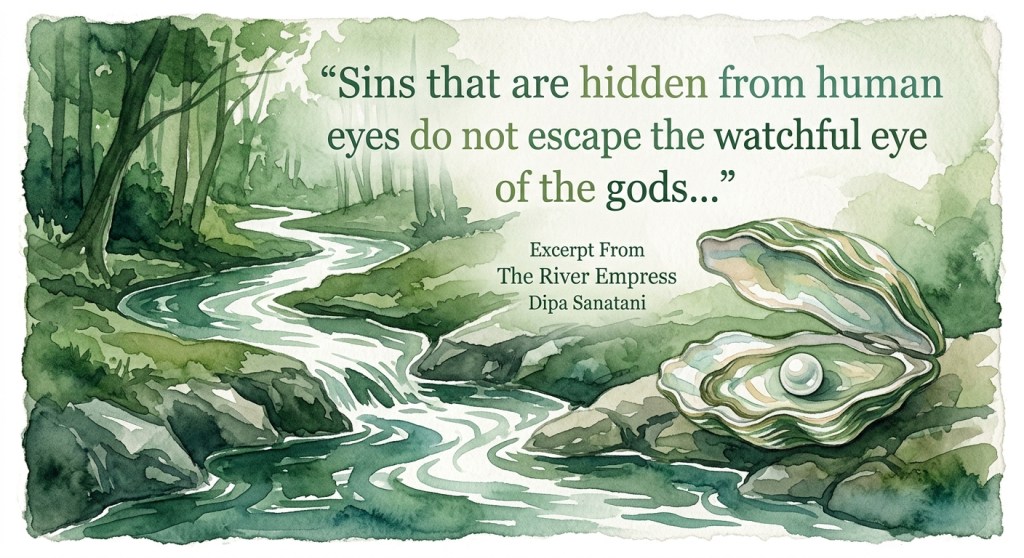
It is not a story of arbitrary punishment, but of spiritual alignment. It is about what happens when the hidden truth of a person’s character is brought to light under the gaze of the Divine.
This balance is why the book, composed entirely in prose-poetry, is dedicated to Lord Shiva in his manifestation as Pashupati—the Lord of all creatures, visible and invisible.
To understand Pashupati is to understand the very heart of this narrative. The Sanskrit word pashu refers to the individual soul, bound by animal instincts, ego, ignorance, and attachment (pasa). Shiva as Pashupati is the compassionate lord who oversees all living beings, guiding souls out of the darkness of their bound state toward self-realisation.
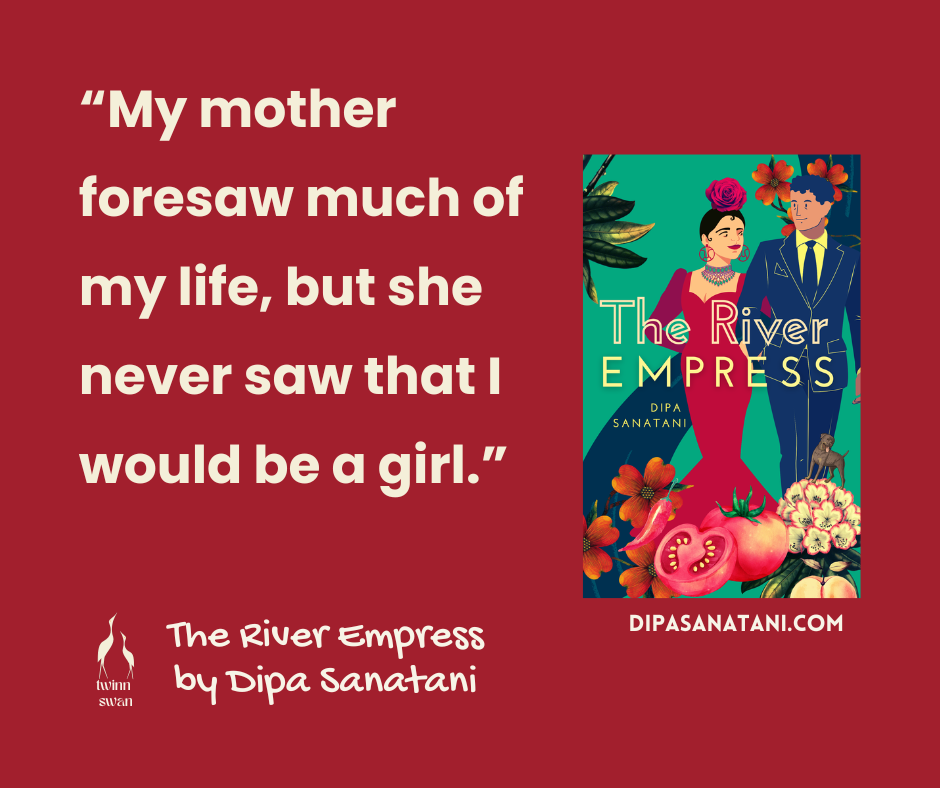
As the lord of nature and cosmic order, he sees beyond the masks we wear in human society. He observes the pride of those who claim divine gifts without reverence, just as he sees the quiet suffering and unsung virtue of those waiting in faith.
In dedicating The River Empress to Pashupati, I wanted to honour that subtle, inescapable vigilance—the divine presence that unbinds the soul from illusion and restores justice to the world. The River Empress is not merely a tale of lost and found blessing; it is an offering to the cosmic order that sees all, weighs all, and ultimately delivers every soul to where it truly belongs.



 Twinn Swan
Leave a comment