
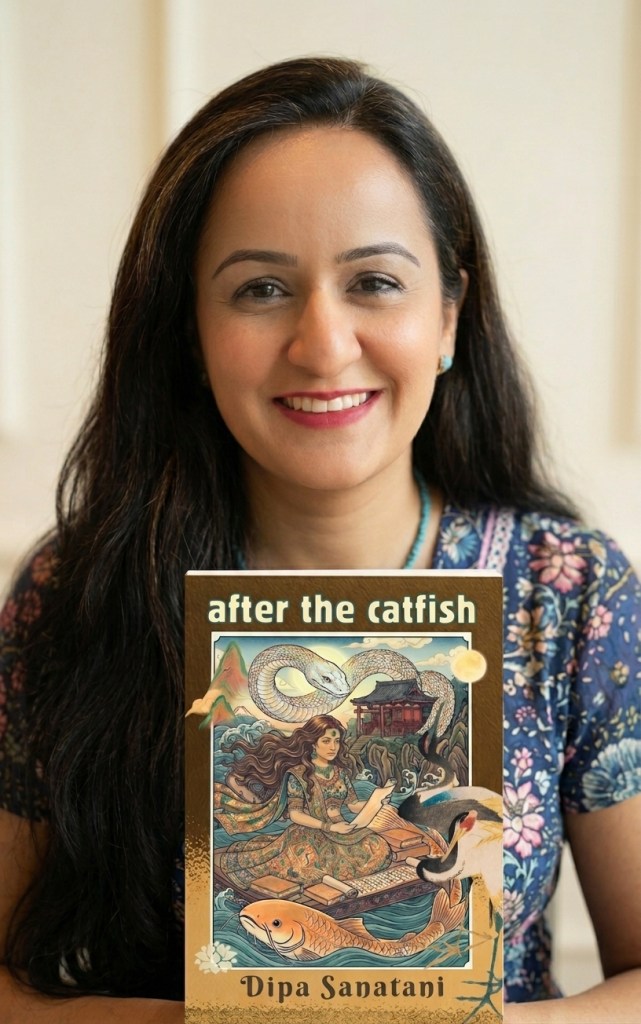
Eight years have passed since I lived in Japan, a country where I lived and worked for four years. Today, after much soul-searching and research, my book After the Catfish is, at long last, published.
At its centre stands the Crane Wife. Her feathers are stolen by a husband too greedy to let her keep her own nature, and his theft of her feathers strips something open in both of them at once, her truth and his impurity, laid bare on the same earth.
the girl is not
your victoryshe is
the evidence
of the extent
of your cowardice.-After the Catfish by Dipa Sanatani
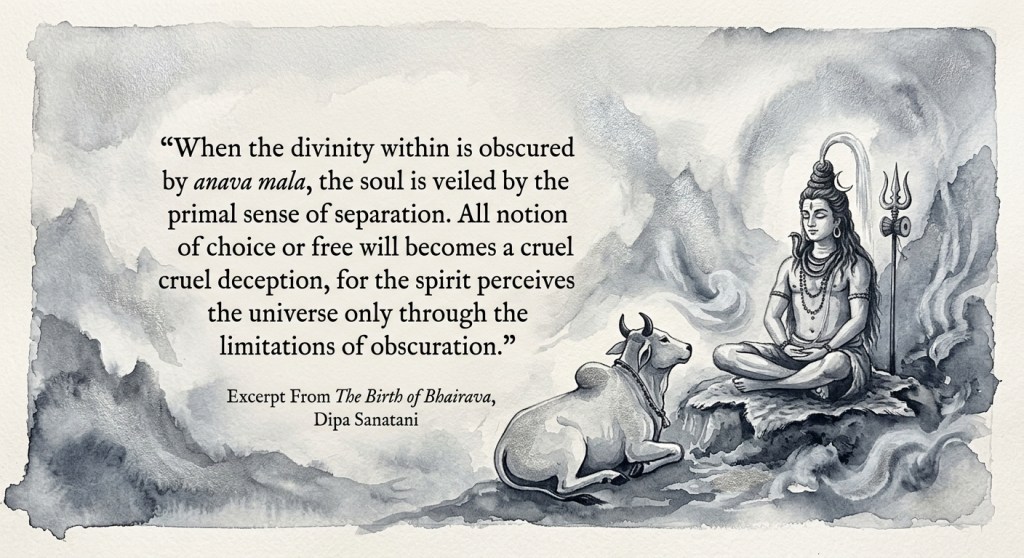
In Shaiva thought this impurity is called mala, a substance that clings to the soul, dulling what burns beneath it. Ritual, fire, water, and rightly spent time burn it away. Shinto names it kegare, a defilement that settles onto a person or a place through contact with death or wrongdoing.
Shinto and Hindu thought have long moved along the same currents, and here they arrive at the same recognition: impurity is a weight the world carries in its own body and the debt is not forgotten simply because it has gone unpaid.
That retribution belongs to the Naga. Vasuki coils at Shiva’s throat as guardian of what is owed and undischarged, keeper of a ledger the surface world would rather not remember. In Japan this office falls to Ryūjin and the dragon kings of the deep, holding the same accounts in different water. When the Great Catfish stirs beneath the islands, it is the Naga that wakes, moving in the roots of the earth because what is owed above has gone too long unsettled.
After the Catfish moves through this convergence, mala and kegare meeting at the one buried ledger, the Crane Wife’s bared feathers and the trembling ground answering to the same account. Four years spent inside that logic taught me how patiently it waits, and how exactingly it is repaid.
The book is published today.





Leave a Reply