
The specific interpretations, when it comes to the dragon, tends to vary depending on the cultural context. It can be a symbol of good. It can be a symbol of evil. Perhaps, the dragon represents the moral choices we must make.
In Eastern cultures, especially in China and Japan, the dragon is revered as a symbol of good luck, prosperity, power and good fortune. In the East, the dragon signifies the potential for abundance, growth, and positive transformation. In Western cultures, however, the dragon is mostly depicted as a fearsome adversary and as a symbol of challenges and temptations that need to be overcome.
When the symbolism of the dragon enters your life, the meaning perhaps depends on the specific context we find ourselves in. What is ‘good’ in one culture, may be considered ‘bad’ in another culture. What is noble in one context may be immoral in another scenario. It all depends on the context.
When the dragon appears, it reminds us that despite the ambiguities we must contend with, there is only ever one correct decision. To make it, however, we must learn to allow ourselves to be guided by our deepest wisdom.

Power
The dragon’s most prominent feature is its undeniable physical prowess. Its immense size, powerful claws and fiery breath symbolise raw and untamed power. This strength can be interpreted in various ways. It can represent the physical fortitude needed to overcome challenges, the unwavering resolve to stand up for one’s beliefs, or the unyielding spirit that perseveres in the face of adversity.
It is crucial to remember that strength is not solely about force. The dragon’s might also reflects the inner strength needed to navigate the complexities of life, the resilience to overcome personal battles and the courage to face one’s fears. For people who have felt powerless in their lives, the dragon emerges to show them how to tap into their own latent and dormant potential.
Due to the dragon’s former relationship with the Chinese Emperor, the dragon can be interpreted to represent power and authority. The dragon is said to possess the ability to command respect and wield power justly. This symbolism extends beyond political spheres. The dragon’s image is often used to convey strength, leadership, and the ability to overcome life’s many challenges.
Authority
Since the dragon is most likely either an extinct or an imaginary creature, each culture has invented and reinvented the myths according to their morals and values. Dragons are considered by many to be ancient beings who possessed knowledge and understanding far beyond what humanity was capable of learning.
Whether you believe they existed or not, they are known for being wise and mighty. While they can be incredibly helpful and formidable allies, in some beliefs and tales a dragon represents ‘the devil’. They can lead you astray if you do not wield your power wisely. If you feel that you are being led towards actions or thoughts that seem immoral to you, then you need to stop.
As mentioned earlier, what is moral or immoral is shaped by cultural context. What or whose moral code have you chosen to follow? There is nothing wrong with choosing to follow an external moral code. Just be aware that you do not do so blindly. What is acceptable to some can be completely unacceptable to others.
Protection
Among the Chinese, there is widespread belief that individuals born in the Year of the Dragon are destined for good fortune and greatness. Some people choose to dismiss this as superstition, but if this belief has a real world tangible impact, then it becomes a factual reality that we have to contend with. Studies show that countries with large Chinese populations have seen fertility rates increase every time the Year of the Dragon comes along.
While the dragon is a powerful creature, it is viewed as one that has difficulties achieving its goals due its unpredictable nature. When the dragon appears, it usually indicates the presence of the unknown. What will happen if I choose this course of action?
Do we know what we’re dealing with when we decide to do something we’ve never done before? No. It will take study and experience to know how to make the right decision, not just for yourself but for others around you.
Dragon people are viewed as having rocky lives, particularly in their early years. They have a way of trying this and that as they decide on their future. This strategy can only be successful if they are conscientious about their decision-making process. They tend see success later in life when they finally sober down; having fully exhausted what can only be described as an overextended exploratory phase.
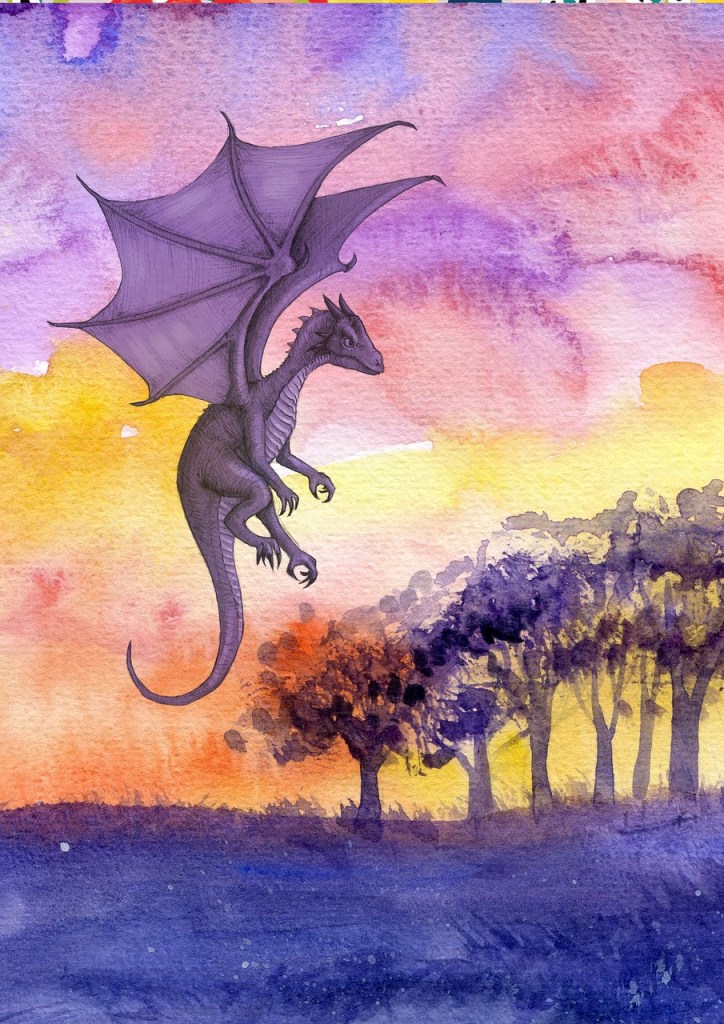
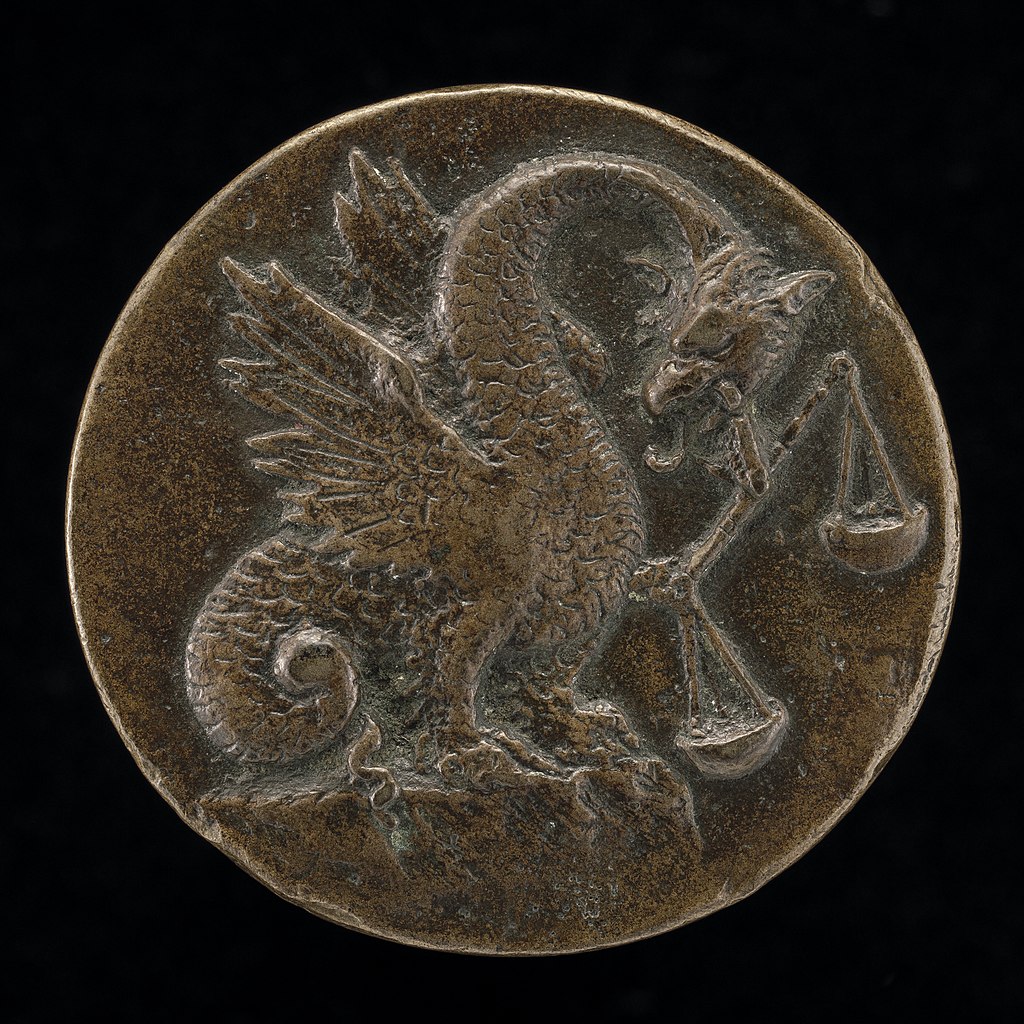
Dragons are often depicted as either guardians or hoarders of treasures. They fiercely defend what they believe is theirs. In some cultures, the dragon is a protector. However, it is important to acknowledge that the dragon’s sense of justice can be subjective, driven by its own desires and interpretations of right and wrong. This view is not and can never be universal.
When the dragon appears, it reminds us that what we may consider ‘justice’ may be ‘injustice’ to another person. We should be wary of trying to impose our values on people who do not share them. When our values clash with another person’s, it is likely to create conflict that cannot be resolved. When the dragon appears, perhaps we should bear in mind that when we deal with people who have a different belief system to us, what is right may indeed be wrong; and what is wrong may well be what is right.




Leave a Reply