The inspiration behind Divinely Destined began with a quiet observation about the language surrounding modernity and progress. While the rhetoric of female advancement has gained visibility in certain quarters, deep-seated backwardness and rigid structural realities governing how resources are distributed remain stubbornly intact. I wanted to examine this contradiction without resorting to predictable moral binaries, and the animal kingdom offered a precise mirror for the hierarchies we inhabit.
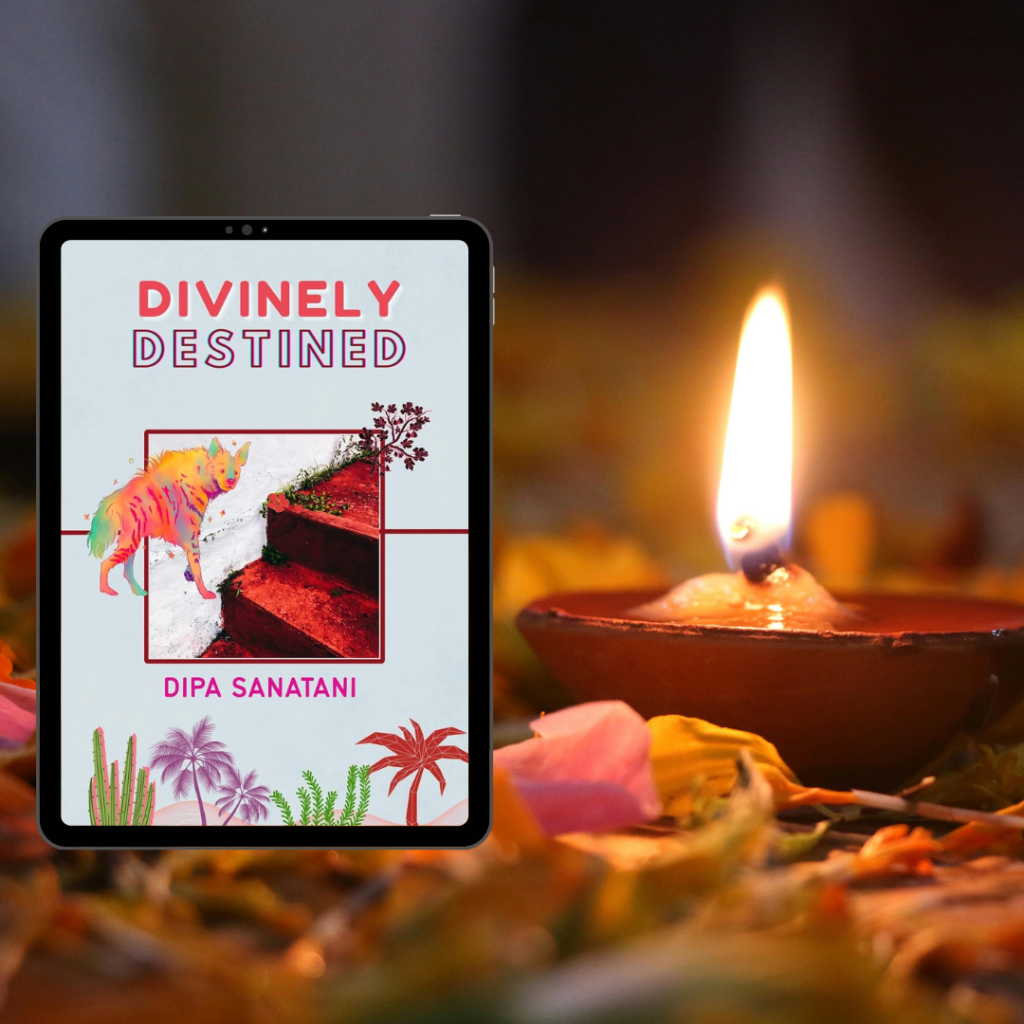
In constructing the narrative, I chose to invert the expected roles of the lioness and the hyena. Conventional wisdom casts the lioness as an apex predator, commanding her terrain through sheer authority. Yet within the architecture of the story, she occupies a compromised position, held back from exercising her full strength. Beside her stands the hyena, an animal routinely dismissed as a mere scavenger.
In my work, she embodies the woman excluded from the primary table, compelled to rely on unconventional and frequently misunderstood strategies simply to endure. Placing these two figures in proximity allowed me to explore how power is granted, withheld, and negotiated across different rungs of the same ladder.
A central preoccupation of the book is the anatomy of resource allocation. Scarcity is often blamed for stalled progress, yet the deeper issue lies in the nature of the provisions offered and the conditions attached to their receipt.
When development funding or institutional support is presented as a gift, it frequently arrives shaped by the very patriarchal values it claims to counter. Channeled through established hierarchies, that bounty remains under the stewardship of traditional gatekeepers.
By the time anything trickles down to the hyenas at the margins, the offering is either inadequate, misaligned with their actual needs, or bound by stipulations that cement their subordinate place. Much of what passes for institutional support functions as theatre, projecting an aura of reform while leaving the underlying balance of power untouched.
This theatre produces a sharp divergence between symbolic visibility and lived autonomy. The lioness may be elevated through ceremonial gestures—a formal title, a visible platform, a seat on an advisory council—while the hyenas are left holding empty assurances.
Observing this divide led me to the most unsettling territory in the manuscript: the question of female complicity. Subordination rarely survives through external force alone; it relies on psychological and social adaptations that turn the governed into participants in their own containment.
Such participation is seldom entirely unwitting. Both the lioness and the hyena learn to navigate the rules of the enclosure to secure their survival. The lioness preserves her tenuous prestige by refraining from challenging the apparatus that elevated her, whereas the hyena deploys cunning and manipulation to claim a slightly larger portion of the scraps. Watching them adapt to a fractured arrangement reveals how easily survival tactics harden into habits that sustain the very architecture causing harm.
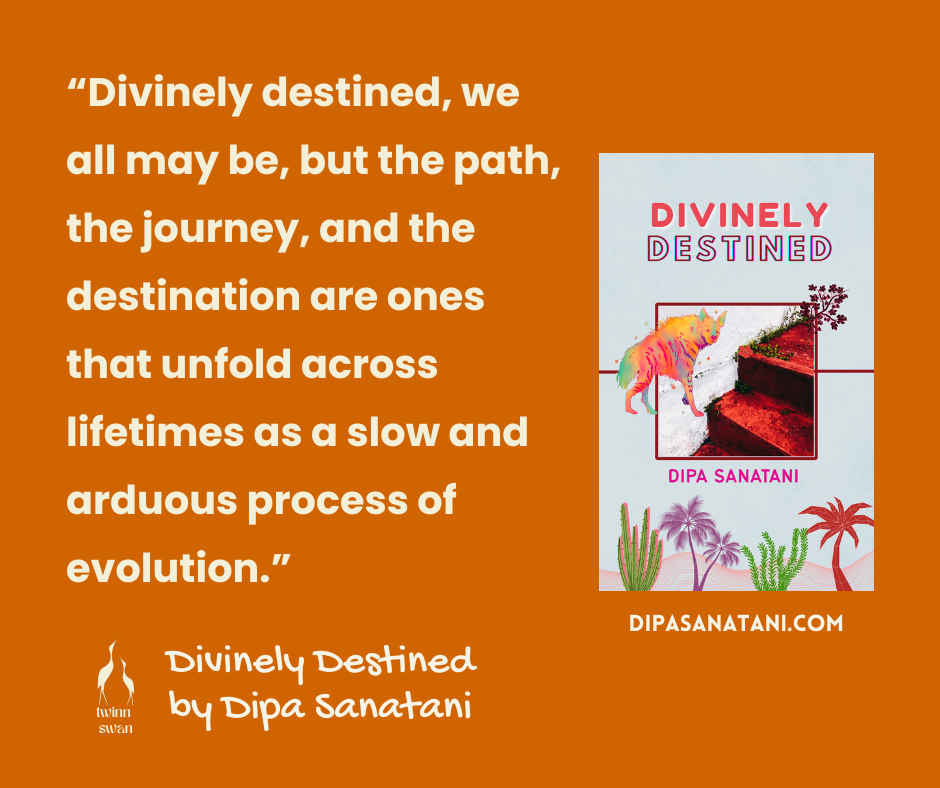
Readers have drawn parallels between this allegorical framework and George Orwell’s Animal Farm, a comparison that resonates deeply with my intentions.
Like Orwell’s cautionary fable, Divinely Destined regards surface-level reform with scepticism. Trading one iteration of authority for a more palatable version yields only a hollow triumph.
Genuine change requires more than negotiating for a larger slice of a rationed pie from the hands of those who control the blade; it demands a fundamental dismantling of the system that determines how the pie is divided.
Writing this book was my way of inviting readers, regardless of gender, to look past comforting narratives of incremental progress and confront the harder work of reforming both external institutions and the internalised compromises we make to survive within them.



Leave a Reply