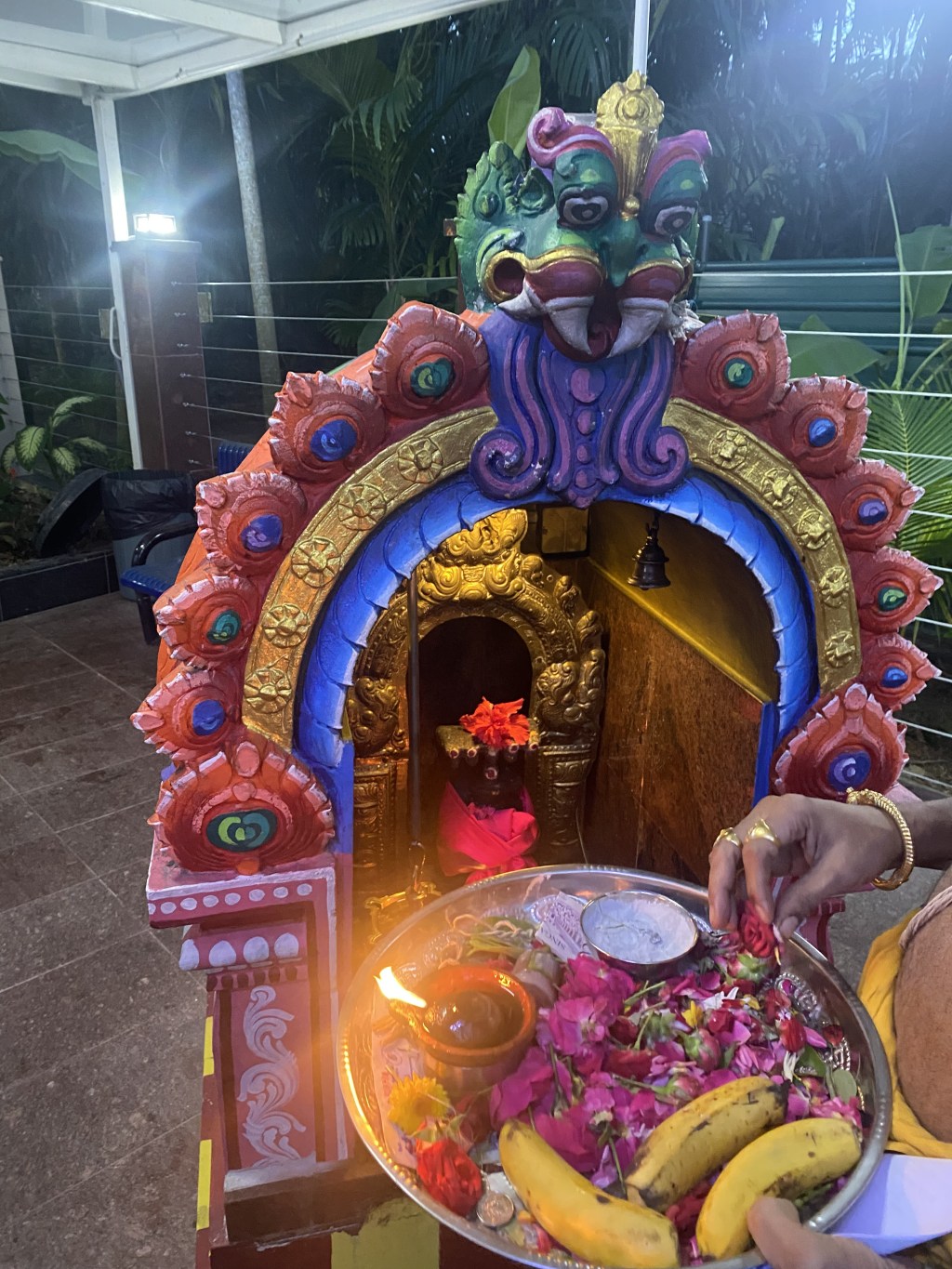
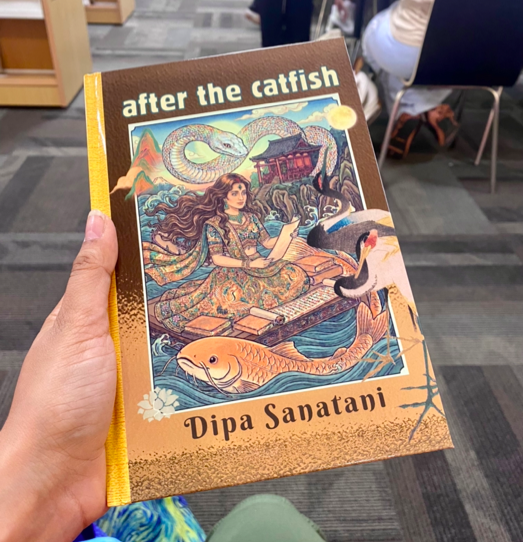
In After the Catfish, the serpent carries no evil. Naga veneration, 蛇神信仰 in Japanese, reads the serpent as the bearer of natural karmic consequence, the form in which the results of past lives and ancestral lineage arrive in a present life. The serpent delivers what has already been earned.
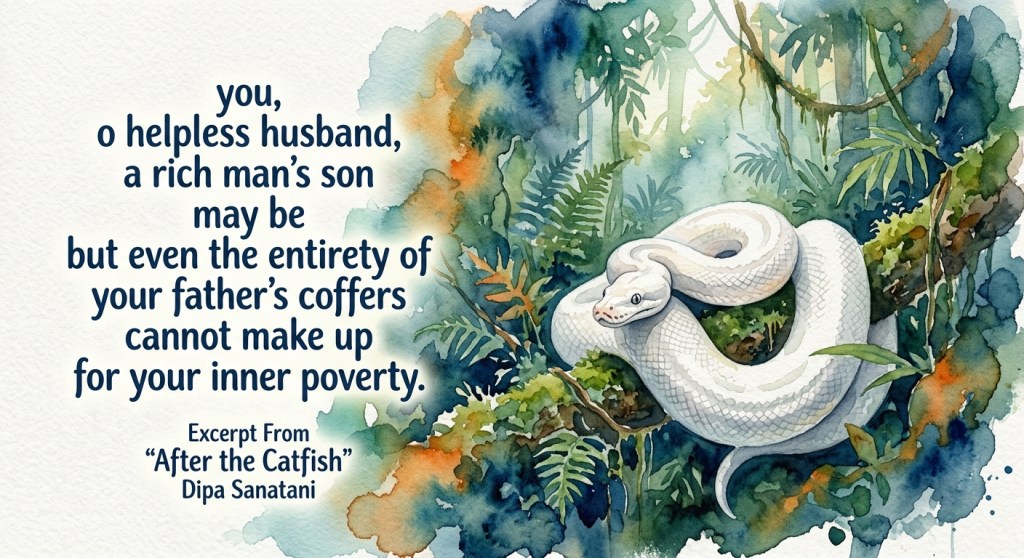
Every living person holds some degree of Naga or Sarpa dosham, the serpent affliction that the Japanese word 障り (sawari) renders as an obstruction or karmic imbalance. Nobody stands outside it, because every soul has acted before and every person descends from ancestors whose actions travel forward.
People differ in the weight they carry. For some the dosham is light and barely perceptible. For others it is heavier, more intense and more restrictive, and it appears as prominent blockages, long delays and challenges rooted deep in a life. The book treats this as a lived reality with a cause, and the cause is karma.
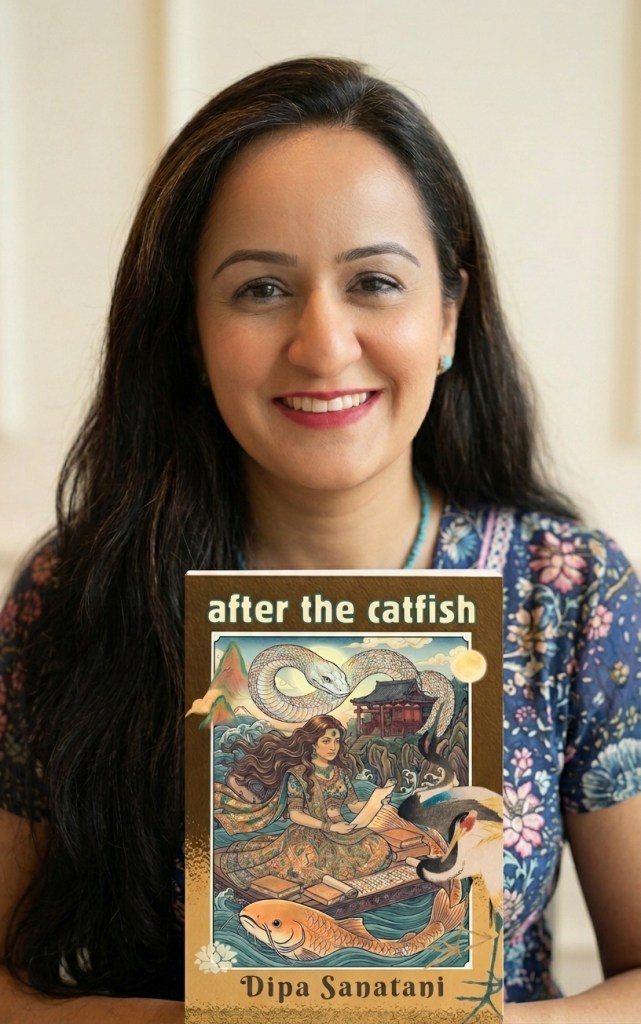
Naga reverence in the book is closely tied to earthquakes and to the catfish of Japanese belief, the creature whose movement beneath the islands shakes the earth. Ground that trembles and a life that stalls both speak of something buried that has begun to move. The serpent of Shaiva understanding and the catfish of Shinto-rooted Japanese thinking give that moving force two names and two landscapes, and the book holds them together.
The proper response to such a force is respect. A heavy dosham calls for steadiness and reverence in the face of what one’s own past, or one’s lineage, has set in motion. The book is dedicated to Sri Triambakeshwar, whose temple is known for the rites performed there for serpent-related karmic afflictions, and that dedication places the whole work under the authority of Lord Shiva.
A person who has lived with blockages and delays may recognise in these pages a way of looking at them with respect for their source.




Leave a Reply