
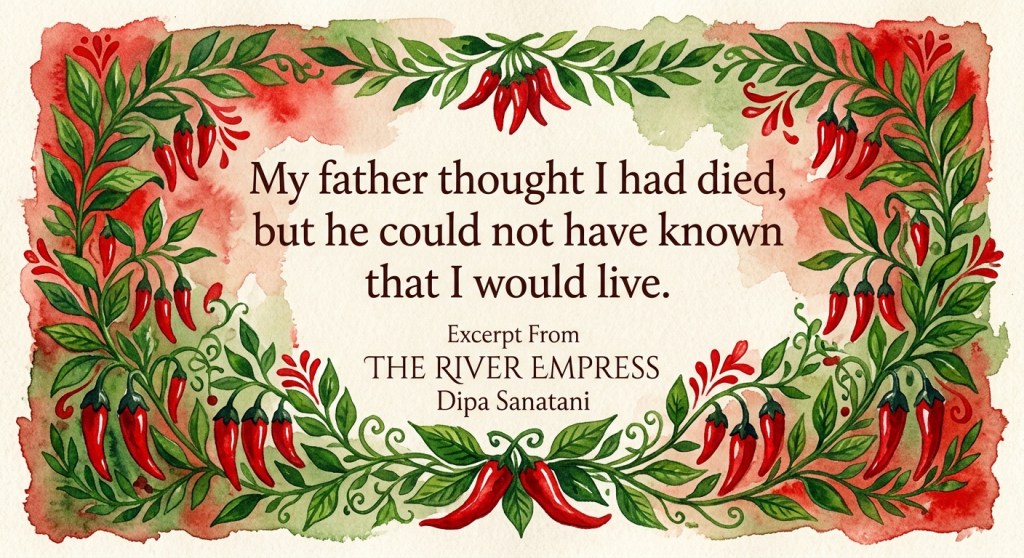
When I sat down to write The River Empress, I knew I was crafting something far beyond a conventional mythic retelling or fantasy. My work in modern sacred literature has always been driven by a single desire: to act as a bard for the silenced, unearthing the ancestral and cosmic undercurrents that shape human destiny.
In this story, the protagonist’s human birth is a deliberate unraveling—a sacred key destined to unlock countless lives across generations. Throughout the book, I wanted to explore how power, privilege, and patriarchy attempt to confine the human spirit, only for higher spiritual truths to dismantle those illusions.
The figure of the father in this line represents the earthly institutions, authority, and lineage that misjudge the true nature of power. He operates under the illusion of control, believing that what he leaves behind or discards is gone forever. But divine law operates on an entirely different plane—one of absolute vision, clarity, and balance. Survival in my narrative is a sacred awakening and a quiet revolution against archaic inherited norms.
What moves me most when hearing from readers is how deeply this theme of survival resonates on a personal level. Many have shared that the story served as a mirror for their own hidden strength, prompting them to reflect on the unspoken burdens passed down through their families and the quiet choices required to reclaim their path. For me, that is the true purpose of The River Empress—not simply to tell a mythic tale, but to offer a space where anyone who has ever been written off or silenced can recognise their own capacity to reclaim their voice and step boldly into their own truth.




Leave a comment