
Men sideline women primarily to safeguard fragile egos and inherited power structures, driven by a deep-seated fear that true equality would erode their sense of superiority and control. This dynamic plays out in everyday dismissals of women’s ambitions, restrictions on their autonomy, or exclusion from resources and decisions, where any hint of feminine strength triggers an instinctive recoil.
At its core, suppression stems from insecurity: a man’s identity often hinges on dominance, and witnessing a woman’s capability shatters that illusion, prompting sabotage to restore a precarious balance. Historical patrilineal systems amplified this, commodifying women’s sexuality and labor to ensure male lineage and wealth hoarding, embedding these patterns into laws, religions, and cultures that still whisper that men must reign supreme.

This fear manifests psychologically as ego preservation, where recognising a woman’s power evokes a subconscious threat to the “provider-protector” role ingrained from childhood. Men undermine achievements to avoid confronting their own stagnation—choosing relational decay over growth. Social conditioning reinforces it further: boys learn dominance equals masculinity, and any deviation invites ostracism from peers or family, turning individual men into enforcers of collective hierarchies.
Even as societies evolve, these norms linger, limiting women’s access to education, pay equity, and leadership while normalising violence to maintain control—effects that ripple into mental health crises like anxiety, depression, and eroded self-worth for women.
Resource hoarding traces back millennia to Neolithic shifts, when women’s agricultural innovations ironically confined them through patrilocality and enforced monogamy, prioritising paternity certainty over partnership. Today, this echoes in workplaces where women’s careers hinge on male consent—husbands, fathers-in-law—expropriating labour via marriage and family expectations that keep women domestic and subordinate. The result? Women face objectification, burnout from impossible roles, and intergenerational trauma, while men, trapped in their own rigidity, suffer suppressed emotions and isolation, though the power imbalance seems to shield them from the worst.
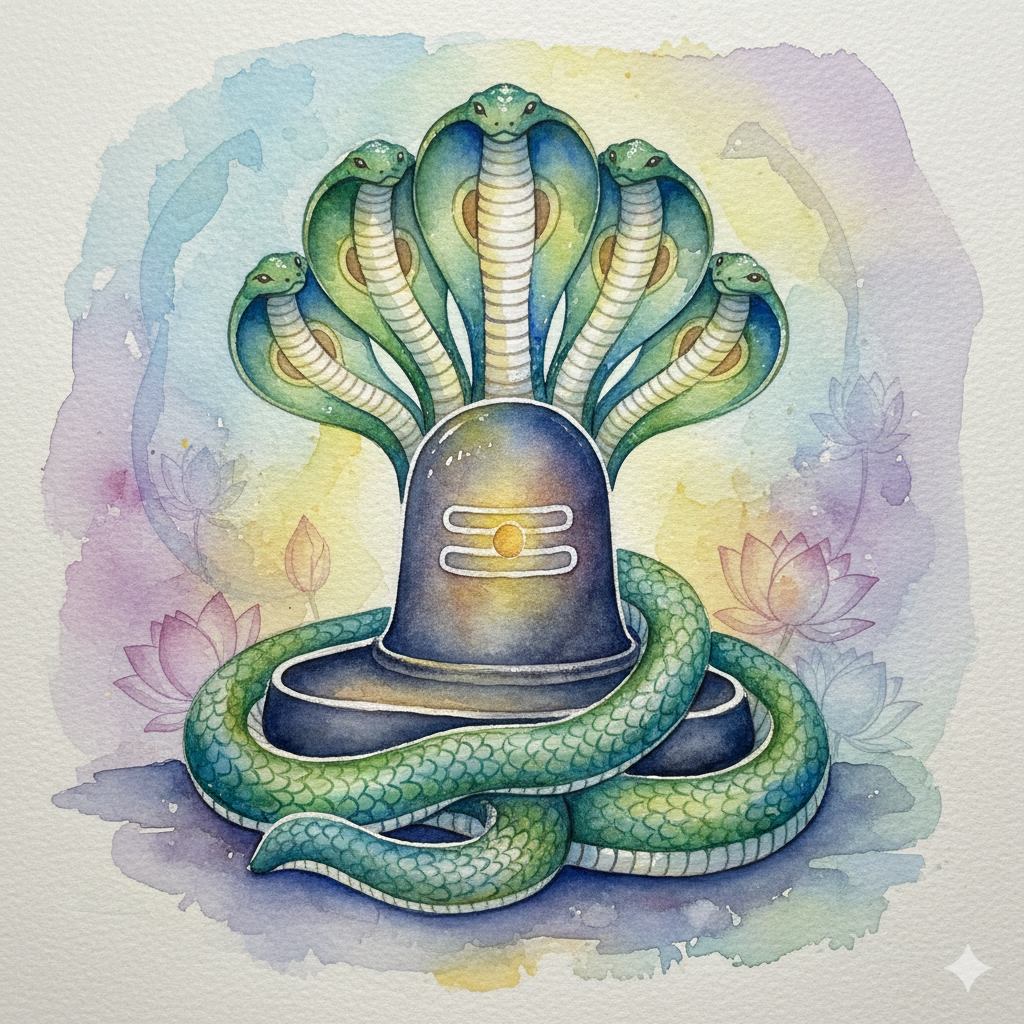
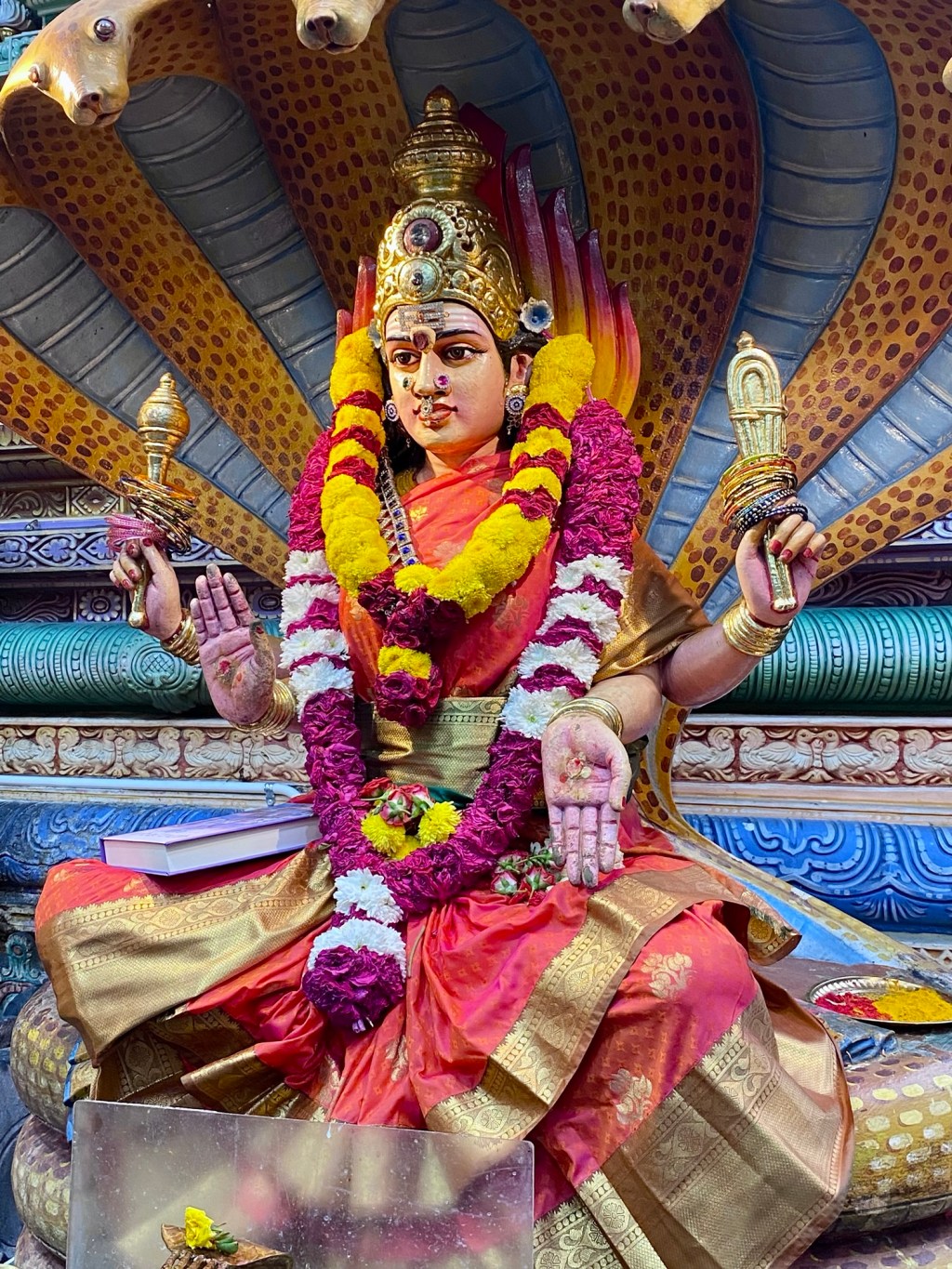
Yet, through a Shiva-Shakti lens, this suppression reveals itself as anava mala—the grand illusion of separation—where Shiva’s transcendent consciousness cannot exist without Shakti’s dynamic energy, and true power lies in their inseparability. Men who sideline women deny this unity, fearing the dissolution of ego that equality demands, but devotees know Nandi’s patient gaze teaches otherwise: steadfast focus beyond distortion invites interdependence.
For those navigating these trials, reclaiming Shakti dissolves the trap—not through confrontation, but inner sovereignty that exposes suppression as self-defeat. In this light, patriarchy crumbles not by force, but by living the divine balance men secretly crave yet fear to embrace.




 Twinn Swan
Leave a reply to Anava and Aham | From Ego to I‑Consciousness – Twinn Swan Cancel reply