
Moxibustion is a traditional Chinese medicine technique (TCM) which uses mugwort to generate heat. It is a well-known and documented therapy in East Asian countries and is used to restore balance to women experiencing menstrual and fertility issues. Many women, for reasons which are not fully known, struggle with menstrual cramps, bloating as well as painful and irregular cycles. TCM views these issues as a result of stagnant blood flow and “cold” energy in the lower abdomen.
Practitioners use dried mugwort leaves, either rolled into cones or sticks, to generate heat. There are two main methods. Direct moxibustion involves placing a moxa cone directly on the skin and burning it. Indirect moxibustion, which is more common, involves placing the moxa near the skin or placed on top of acupuncture needles to deliver warmth without direct contact.

The Imbalance
In the TCM methodology, menstrual and fertility issues are viewed as arising from imbalances. Moxibustion is considered a method and a means through which one can restore balance and promote healthy qi flow.
The TCM view is that these issues arise due to sluggish or blocked energy flow, particularly in the lower abdomen. Blood stasis, or blood stagnation, occurs when blood flow becomes sluggish or blocked in the uterus and surrounding areas. This is thought to contribute to painful periods with blood clots, heavy bleeding and, in some cases, even endometriosis.
TCM practitioners diagnose imbalances based on a variety of factors, including symptoms, pulse diagnosis and tongue examination. Moxibustion is one of many tools used by TCM practitioners to address these imbalances and restore harmony in the body.
TCM views the body as a balance of yin (cooling, nourishing) and yang (warming, stimulating) energies. An imbalance between these two opposing yet complementary energies can lead to various menstrual and fertility issues.
For example, excessive yang might cause heavy bleeding and hot flashes, while deficient yang might lead to scanty periods and low libido. Imbalances in the Yin and Yang energy can contribute to menstrual cramps, irregular cycles and difficulty conceiving. It’s believed to create a sluggish environment in the uterus, making it less hospitable for a fertilised egg.
Painful periods and infertility can also arise due to dampness in the body. This refers to an accumulation of fluids in the body that can disrupt qi and blood flow. This is associated with bloating, premenstrual syndrome (PMS) and white blood cell dominance, potentially hindering implantation during pregnancy.
All of these imbalances contribute to menstrual cramps, irregular cycles and even fertility problems by hindering the proper movement of eggs and sperm. A lack of overall energy can manifest as weak or scanty periods, delayed ovulation and difficulty supporting a pregnancy.
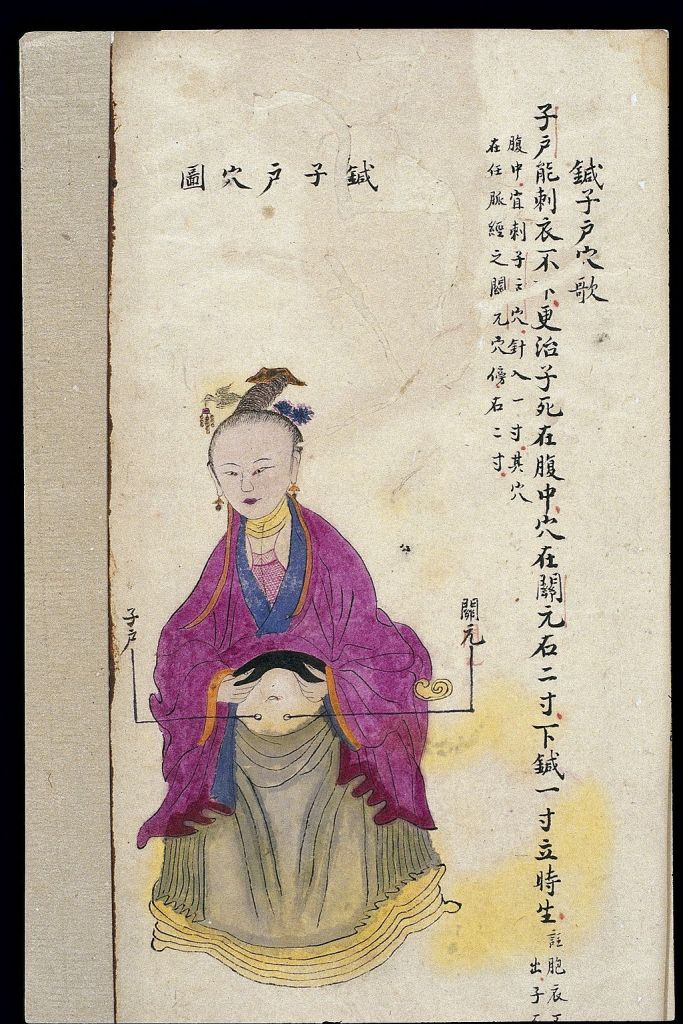
The Remedy
By warming specific acupuncture points, moxibustion dispels “cold”, thereby balancing internal energy and alleviating menstrual pain. The warmth stimulates circulation, reducing cramps and discomfort. While the pain may not entirely go away, moxibustion does greatly reduce the pain which is experienced.
When it comes to fertility, a “warm” uterine environment is thought to be more conducive for implantation and a healthy pregnancy. Moxibustion on specific points encourages proper egg development and release. The gentle heat may improves overall hormonal balance, potentially increasing fertility.
(IMPORTANT: Moxibustion is not a one-size-fits-all solution. Consulting a licensed medicinal practitioner trained in this technique is crucial. They can assess your specific situation and design a safe and effective treatment plan.)
Unlike medications, moxibustion uses a natural herb (mugwort) and avoids needles or surgery. This option can be appealing to women seeking a more natural approach to healthcare. While there can be risks like burns or allergic reactions, moxibustion generally has fewer side effects compared to some medications used for menstrual or fertility issues.
Moxibustion, when used at home with proper training, can offer women a sense of control over their own health. This can be appealing for women who want to explore alternative approaches alongside conventional medicine.



 Twinn Swan

Leave a comment