
The most resonant image in our mind is that of how the oyster’s creates its pearls. An irritant–most likely a grain of sand or a parasite–enters its shell, thereby triggering a remarkable process. Instead of succumbing to the foreign entity and irritant, the oyster diligently coats the irritant with layers of nacre, eventually transforming it into a luminous pearl.
Just as the irritant becomes a gem, our struggles can refine us, nurturing inner strength and wisdom. We emerge, not broken, but transformed, radiating with resilience and newfound beauty. But to undergo this process of inner transformation, we have to value what the irritant is offering us. Are we willing to accept the irritations that come into our lives or are we trying to get rid of them? Most of us will choose the latter.

While the symbolism is, indeed, a powerful one; the significance is not only metaphorical. We are interconnected. What is an irritation to one person may be a source of pride and joy for another person. Are we able to honour the inherent value of a grain of sand? How does the oyster take such a common object of no value and transform it into something truly valuable? The oyster reminds us to be mindful of the delicate dance that exists between the Self and our environment. Are you the oyster or are you a grain of sand?
Within the oyster’s silent inner world, there is a reservoir of ancient wisdom. When the oyster appears, it is an invitation to quieten our external noise and tap into the wellspring of wisdom within. By slowing down and listening to the rhythm of our own breath, we can create the pearls of intuition and guidance that lie hidden within.
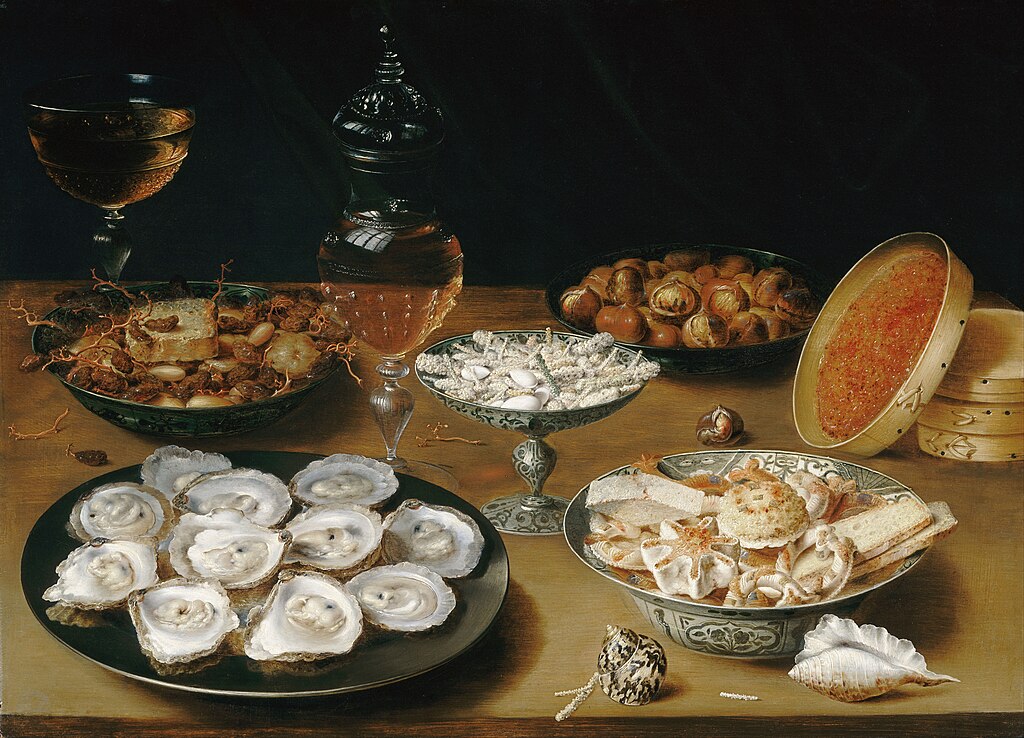
For some, the very act of consuming a raw oyster–even one that has not created a pearl–is an act of adventure. As a culinary delight, it pushes the taste buds and forces us to challenge our comfort zones in terms of food. The communal aspect of sharing oysters at a lively bar or restaurant adds to the experience, fostering social connection and creating unforgettable memories. But oysters are an acquired taste. They are not for everyone.
The texture, the rawness and the specific flavour profile can be off-putting; not only to come, but many. But for those who can embrace and enjoy them, oysters offer a unique and rewarding experience that goes beyond mere food. Oysters are a delicious indulgence, a nutritional powerhouse, a cultural touchstone, and even a touch of adventure, all rolled into one slippery, briny bite.
So, the next time you see oysters on the menu, consider taking a leap of faith and exploring the depths, not only of their flavour but also their significance. You might just discover a new favourite…





 Twinn Swan
Leave a reply to Two of Wands | A Leap of Faith – The Mercantile Cancel reply