
-
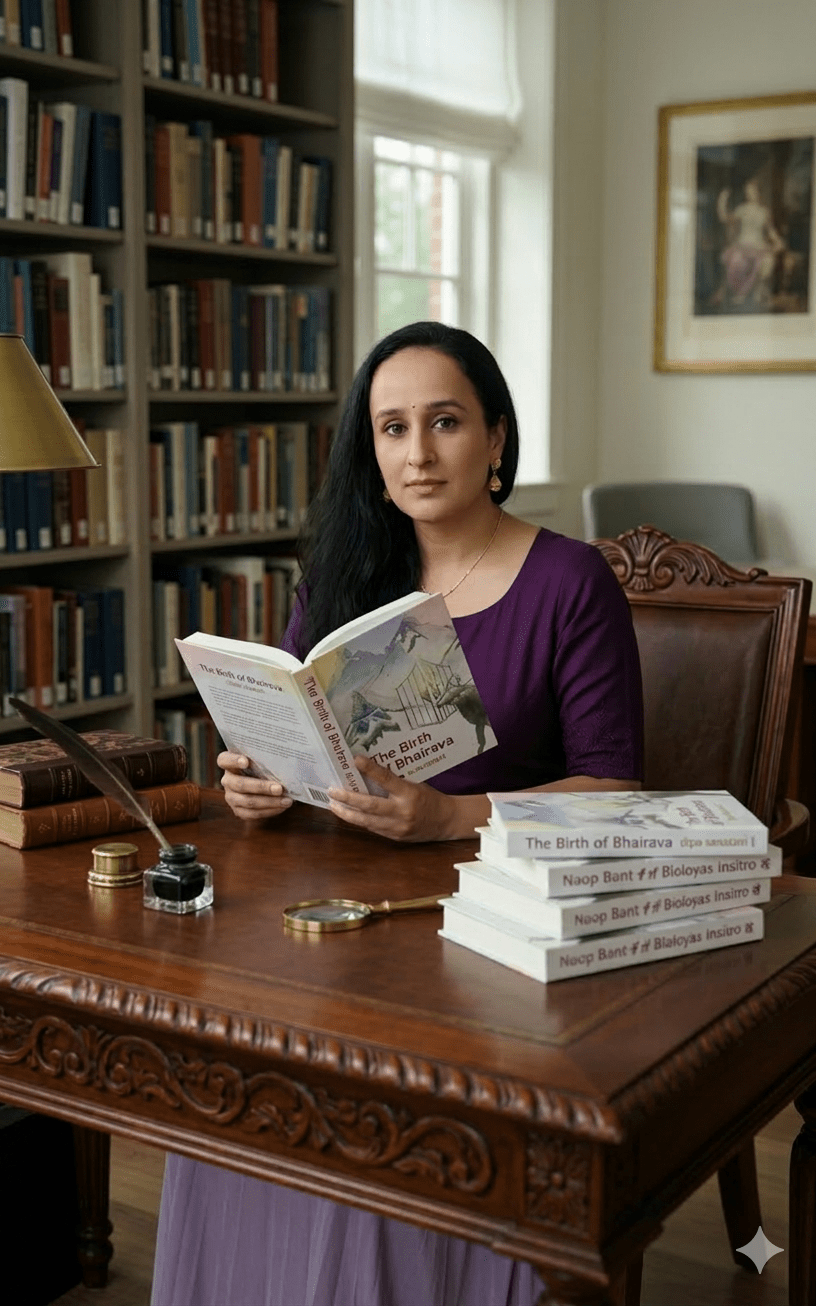
The Role of Grief in The Birth of Bhairava by Dipa Sanatani
A small, tidy grief would have been an insult to what Sati was to him. Shiva sits in stillness so absolute it becomes destructive.
-
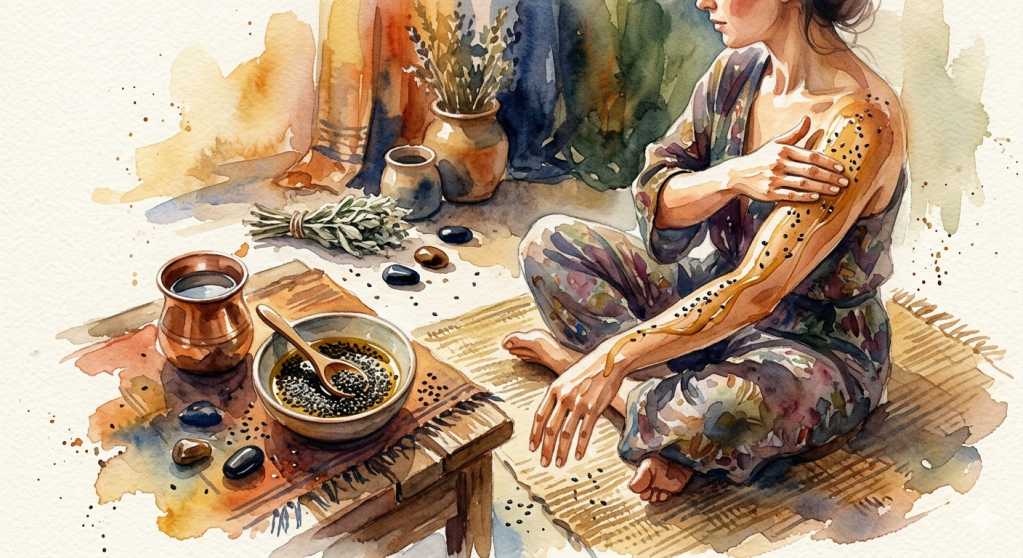
The Liquid Light | A Spiritual History of Sesame Oil
The same small seed, first pressed in the Indus Valley millennia ago, lighting sacred fires from Mesopotamia to Japan, its smoke and fragrance recognised as holy across wildly different religions and cultures.
-
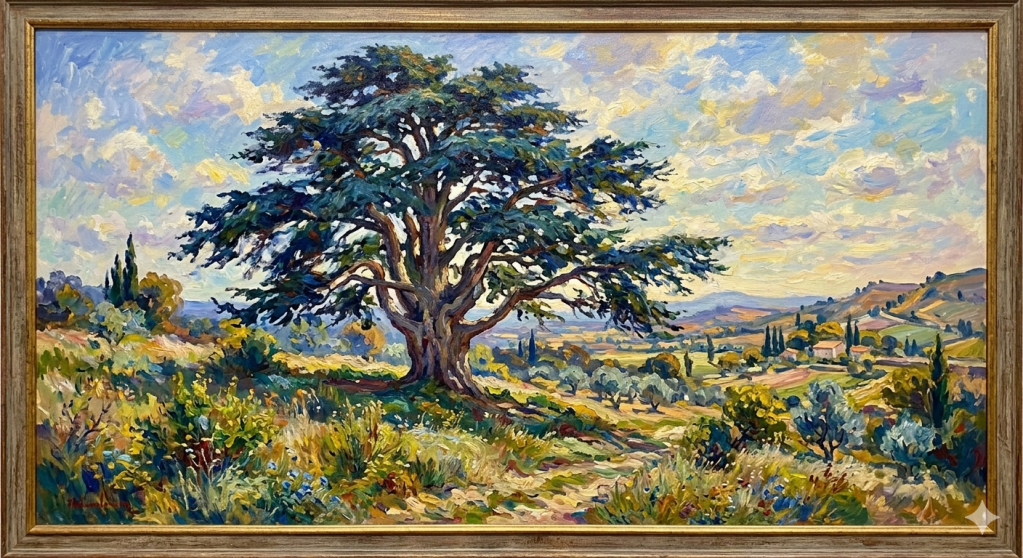
The Cedar and The Sacred | The Spiritual Significance of One of the World’s Oldest Trees
In many traditions, cedar is understood as actively repelling hostile spiritual forces.
-
When the Sun Swallows Itself | Rahu Kalam, Surya, and the Shadow of the Male Ego
The connection between the sun, masculinity, and ego is not culturally arbitrary. Across traditions — Vedic, Greek, Egyptian, Zoroastrian — the sun represents the principle of individuation, of standing apart, of being seen.
-
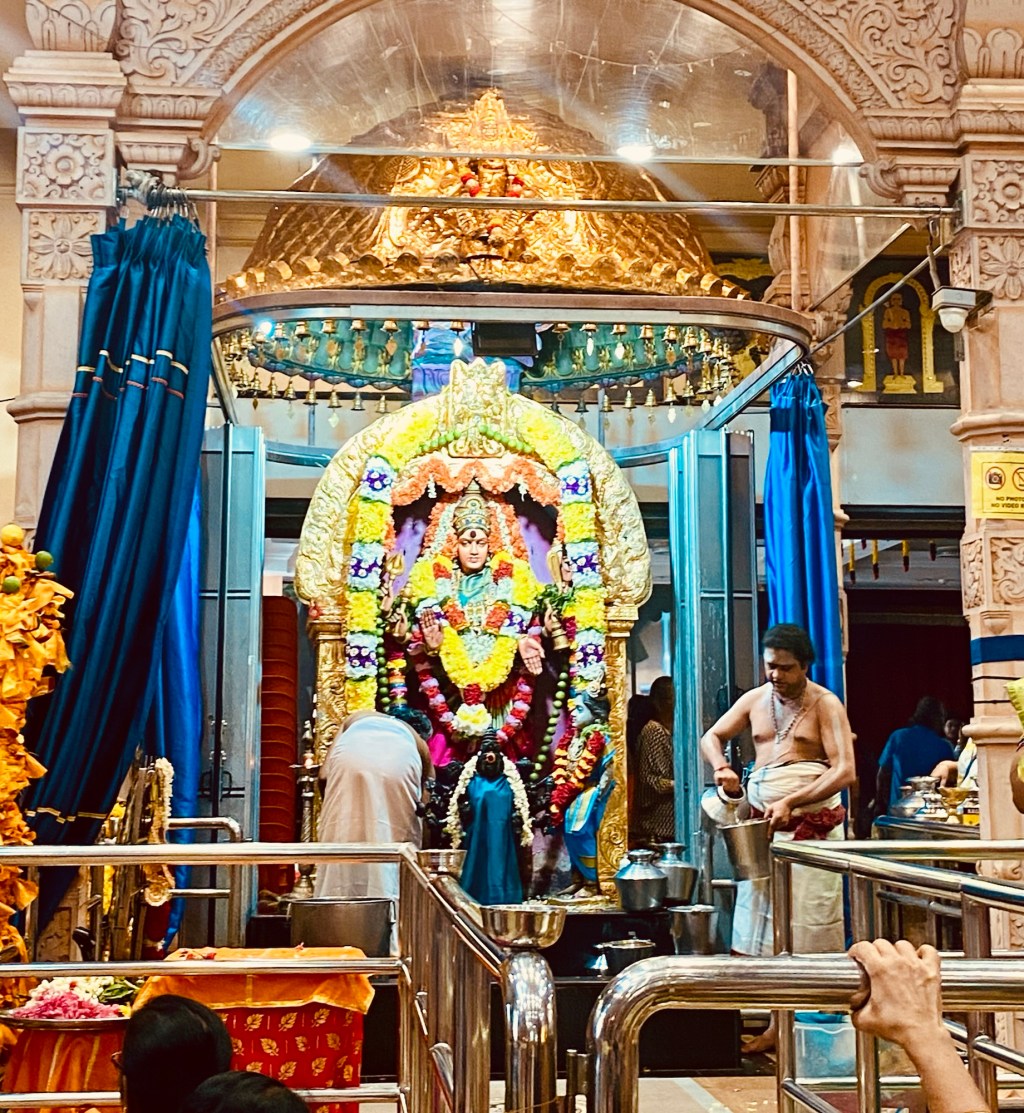
Rahu Kalam | Confronting the Shadow Self with Goddess Durga
Rahu is genuinely associated with obscuration, with what cannot be seen clearly, with the eclipse-making quality that distorts direct perception.
-
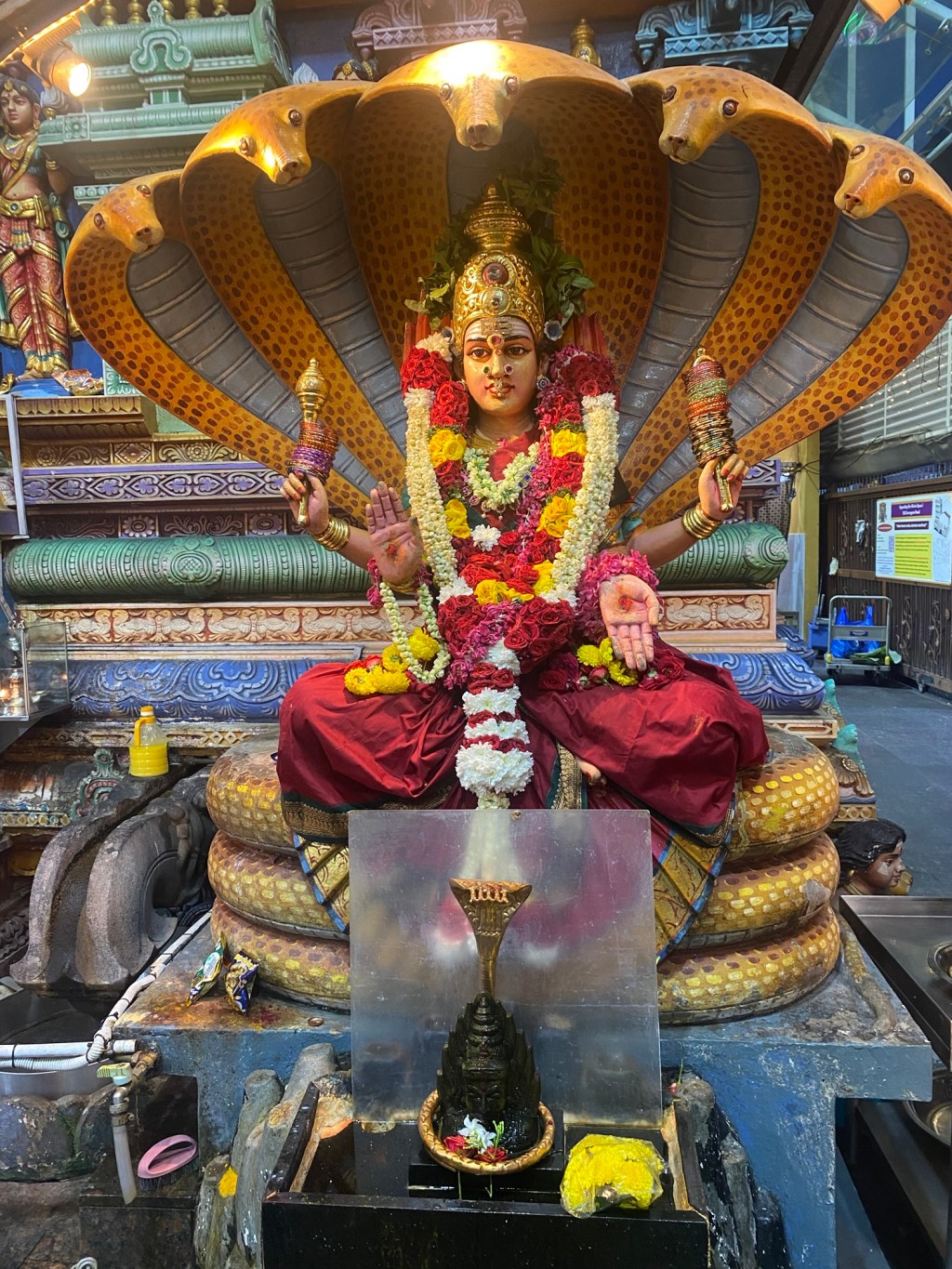
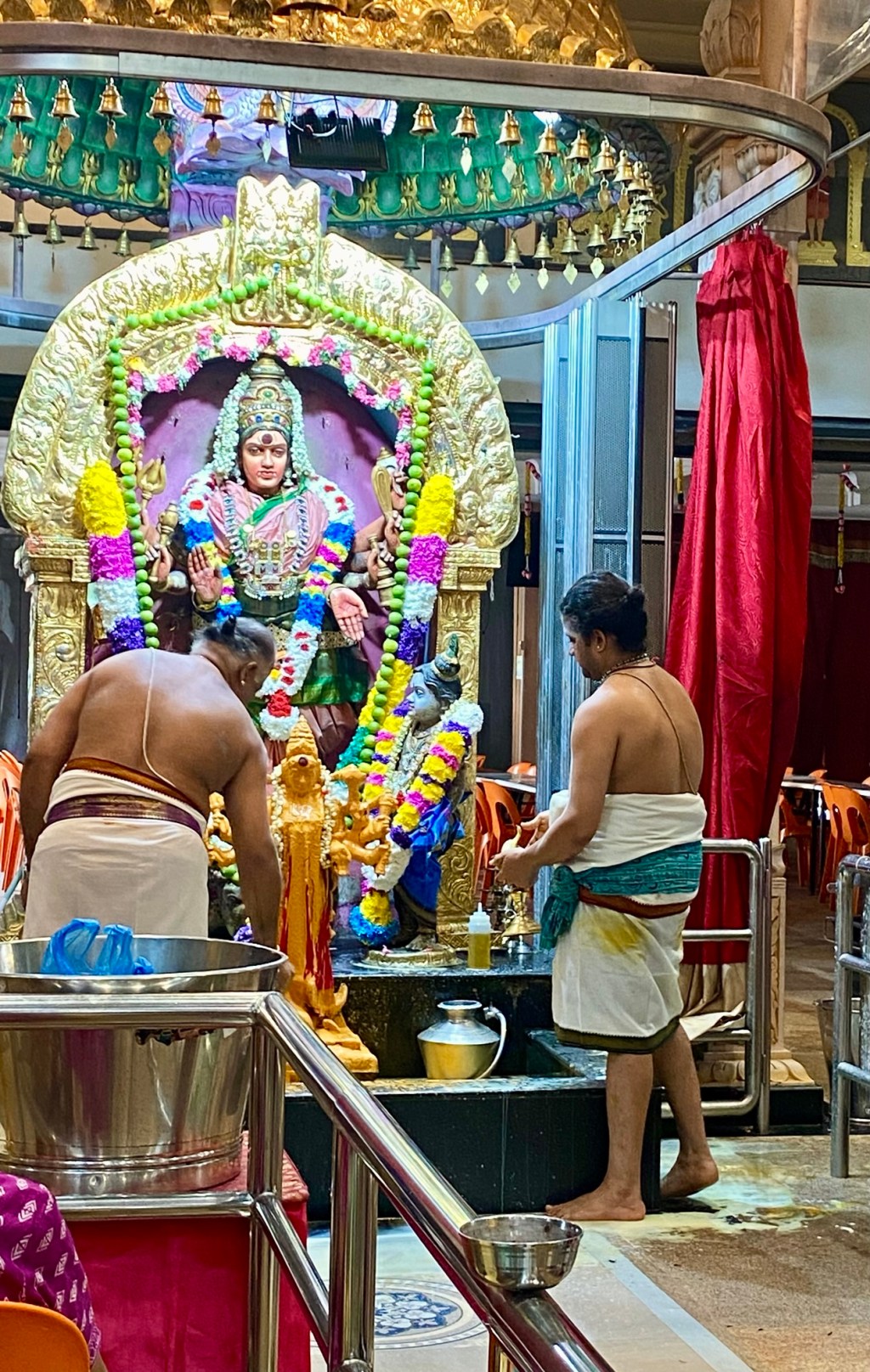
The Serpent’s Grace | The Metaphysics of Abishekam at the Nageshwari Shrine
To approach a Nageshwari shrine is to step into the domain of the subconscious, where the primordial serpent-self resides.
-
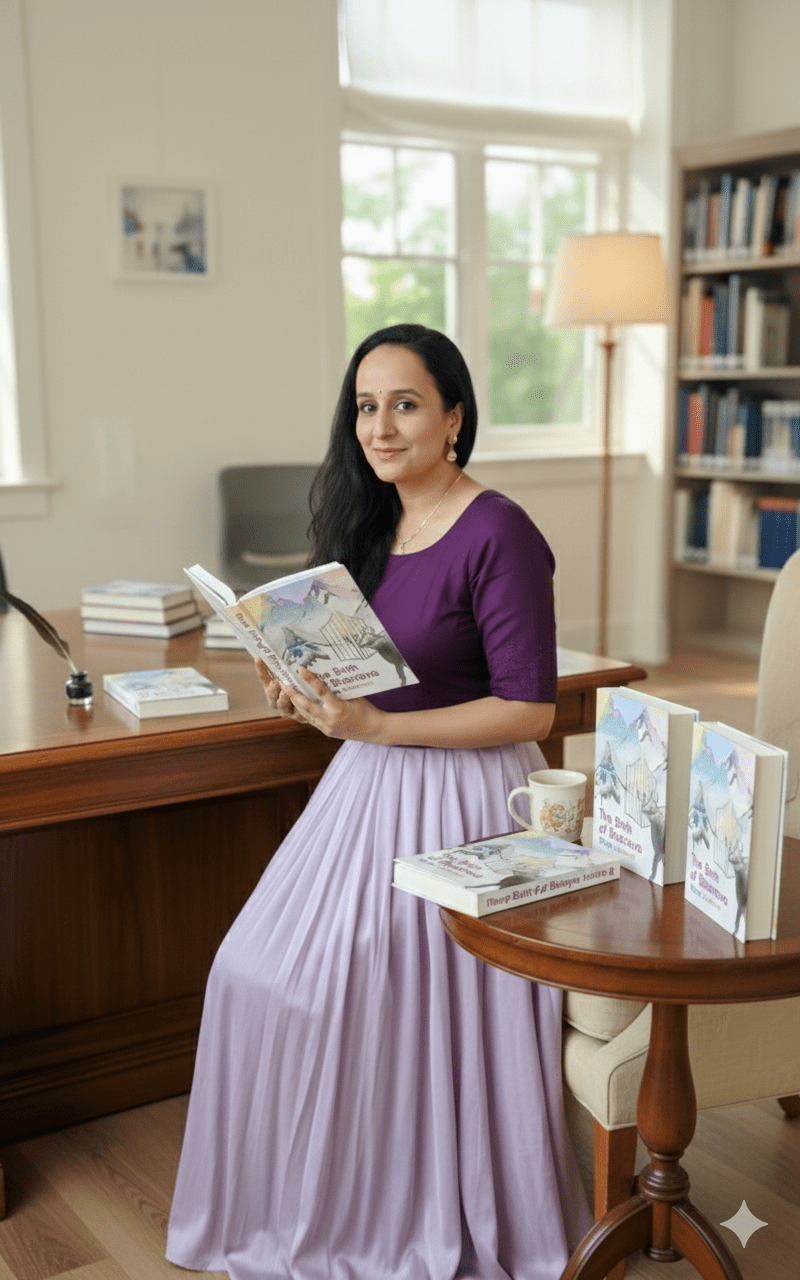
The Birth of Bhairava | A Work of Hindu Theology
While Hindu philosophy has been extensively translated and analysed, Hindu theology—the living, devotional understanding of divine consciousness and its workings—remains largely undocumented in accessible English texts.
-
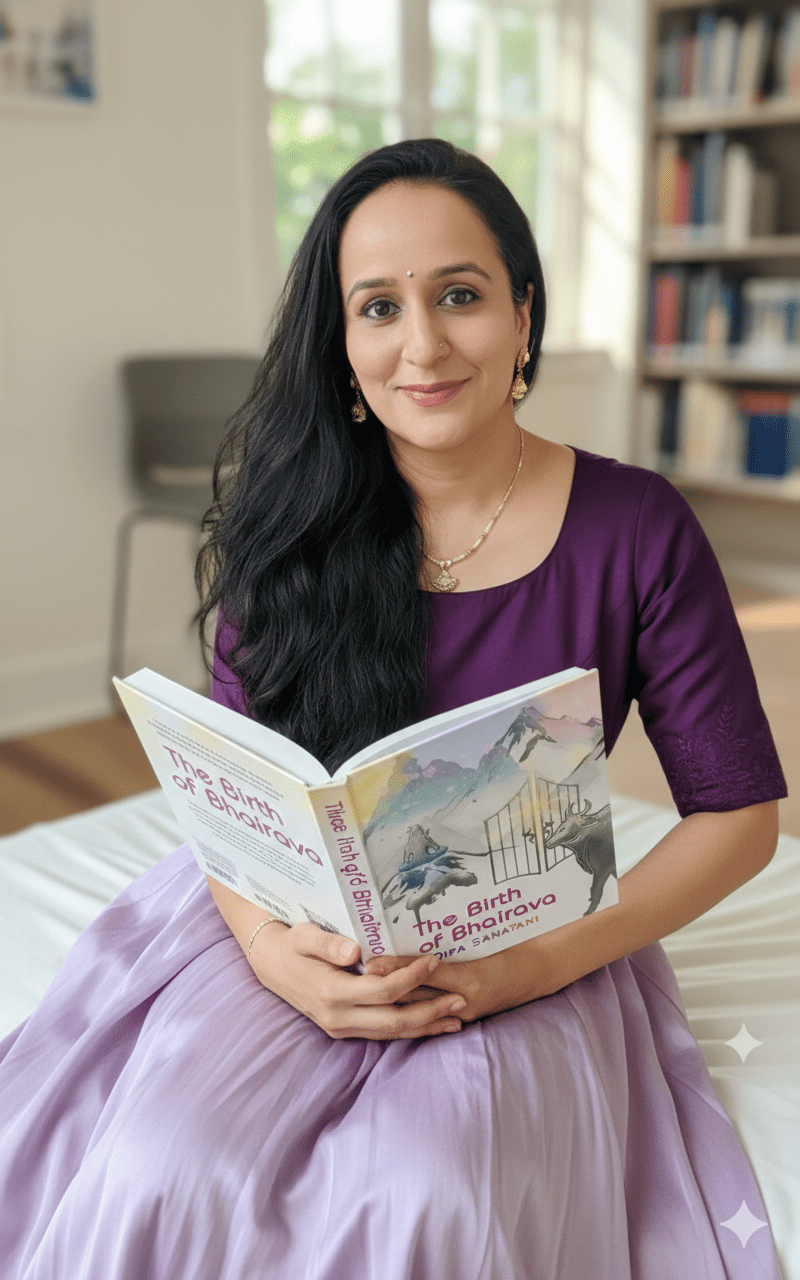
The Birth of Bhairava by Dipa Sanatani | A Sacred Story of Sati
May it deepen your understanding of the fierce Divine Masculine, may it illuminate the path through darkness, and may it remind you that within each of us lives the potential for both destruction and creation, for both terror and grace.
-
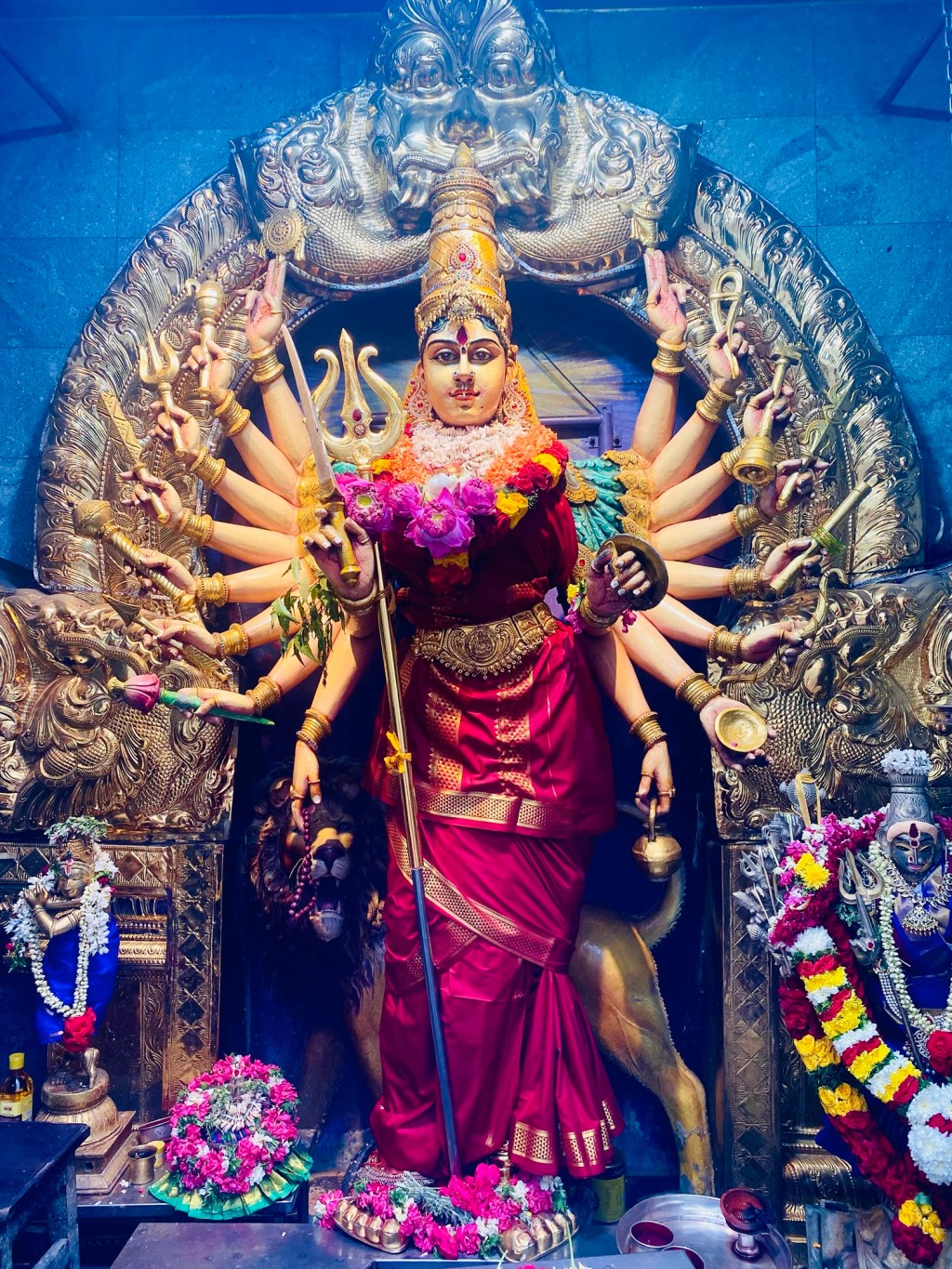
The Heart of Lakshmi-Durga | The Mother of Grace and Protection
Worshipping Lakshmi-Durga is not merely about asking for wealth or victory; it is about seeking refuge in a Mother who is both soft enough to hold your sorrows and strong enough to fight your battles.
-
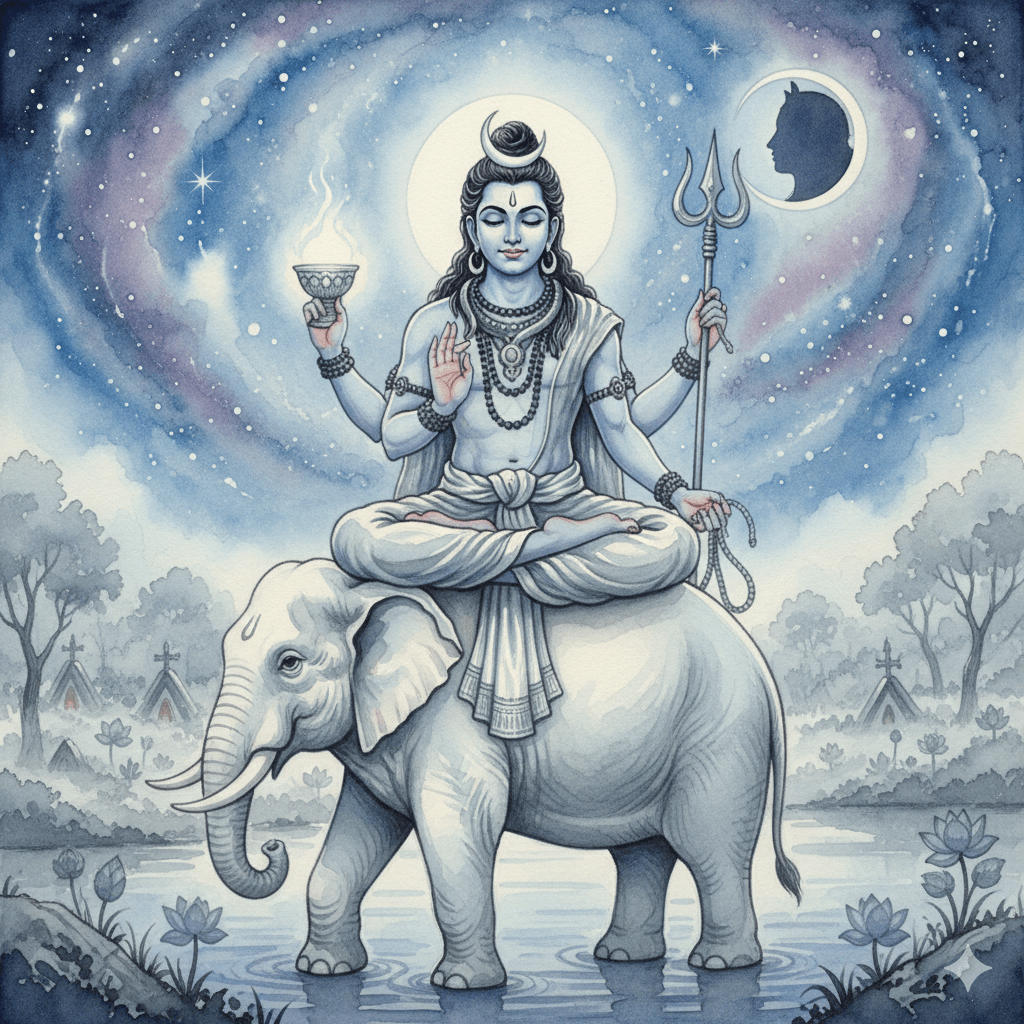
Kapala Bhairava | The Alchemy of Shadow and Silver
This radiance allows the seeker to see through the illusions of the material world, turning the terrifying reality of death into a mirror of eternal life.
 Twinn Swan