
Throughout my writing and educational journey, I have encountered more resistance than encouragement—and often, from the very people I once believed would understand me best. Their objections are rarely explicit. They appear through silences, hesitations, small diversions—gestures that seem harmless until they accumulate into a deeply entrenched pattern of quiet disavowal. I’ve come to realise, however, that much of this opposition is not born of malice, but of blindness.
People tend to imagine they are being practical, protective, even loving when they question the paths of others. The discomfort they express often mirrors their own unresolved fears—the fear of risk, failure and divergence from what is safe and familiar. They do not always know that their words wound. They cannot see how each subtle disregard for one’s creative or spiritual labour deepens into estrangement. There is betrayal in this not because they intended harm, but because they could not or would not see what the work means at all. Their inability to witness what is sacred to me feels, at times, like a quiet dismantling of trust.
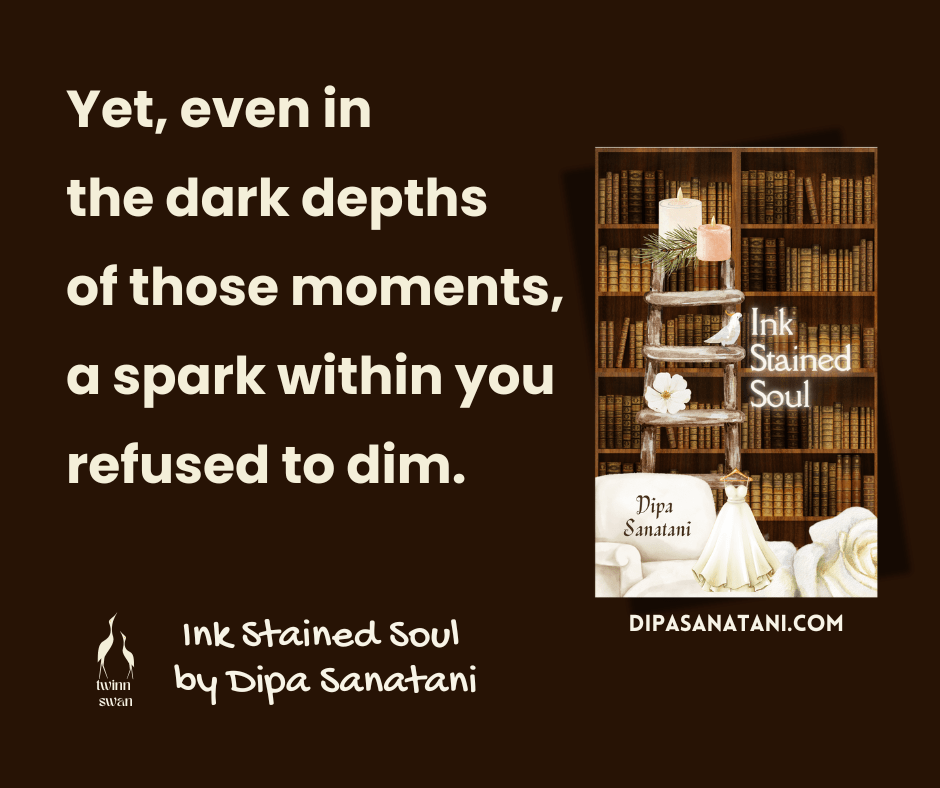
This is not a call to resentment; it is an act of acknowledgement. To name betrayal in such contexts is to restore dignity to the wound—to refuse to let it dissolve into explanations or politeness. For long stretches, the absence of understanding can make the solitary hours of study and writing feel heavier, as though one is moving against the ancestral grain.
But within that isolation, another truth has emerged: support does exist. It is simply found elsewhere, often in places or people I had never expected—readers who recognise something truthful in the text, mentors who appear without fanfare, or those rare souls whose presence carries reassurance rather than rejection.
I have learned that opposition and support are not opposites—they form the pressure and relief needed for creative evolution. The friction sharpens the voice; the compassion sustains it. Still, it is worth saying aloud: indifference from those close to us is never inconsequential. It marks the threshold between belonging and becoming. And though I continue to walk with both gratitude and grief, I have made peace with the fact that not all love is capable of recognition—but that the few who do see, see everything.


 Twinn Swan
Leave a comment