
Through my creative practice, I find myself continually returning to the liminal spaces where the sacred and the everyday meet—those intersections of spirituality, history, myth, and contemporary life. This is not a coincidence; it is both an invitation and a challenge that has shaped every book I write. My commitment, as always, is to explore complex questions rather than offer quick certainties, to listen as much as I speak, and to create literature that invites contemplation rather than closure.
The first time I truly encountered environmental consciousness was as a student at the University of Melbourne, journeying through the Australian outback while immersed in indigenous storytelling. Since then, this awareness has grown into a lived ethic that quietly shapes my writing, including books like Divinely Destined and Illuminator.
The language of nature is the first sacred scripture, teaching humility before forces vaster than the self. Living and working across continents, I have witnessed the precarity of our planetary home and the resilience of communities who treat the earth as kin. Writing stories where the environment is both presence and protagonist, I aim for more than nostalgia or alarm; my goal is to probe the spiritual significance of our relationship with the environment, illuminating how reverence for the natural world might guide choices that echo through generations.
Interfaith dialogue is too often construed as a polite exchange of doctrines. For me, it is the rigorous, sometimes uncomfortable willingness to be changed by another’s truth. My narrative worlds—whether in The Prophetess of Dharma, A Thousand Names and Oneness—arise from the recognition that wisdom traditions may diverge, overlap, or challenge one another, yet all ultimately confront the same questions about meaning, mortality, and devotion. In writing, I attend to the tensions and kinships between worldviews; between inherited story and lived experience. Dialogue, then, is the encounter through which deeper integrity grows.
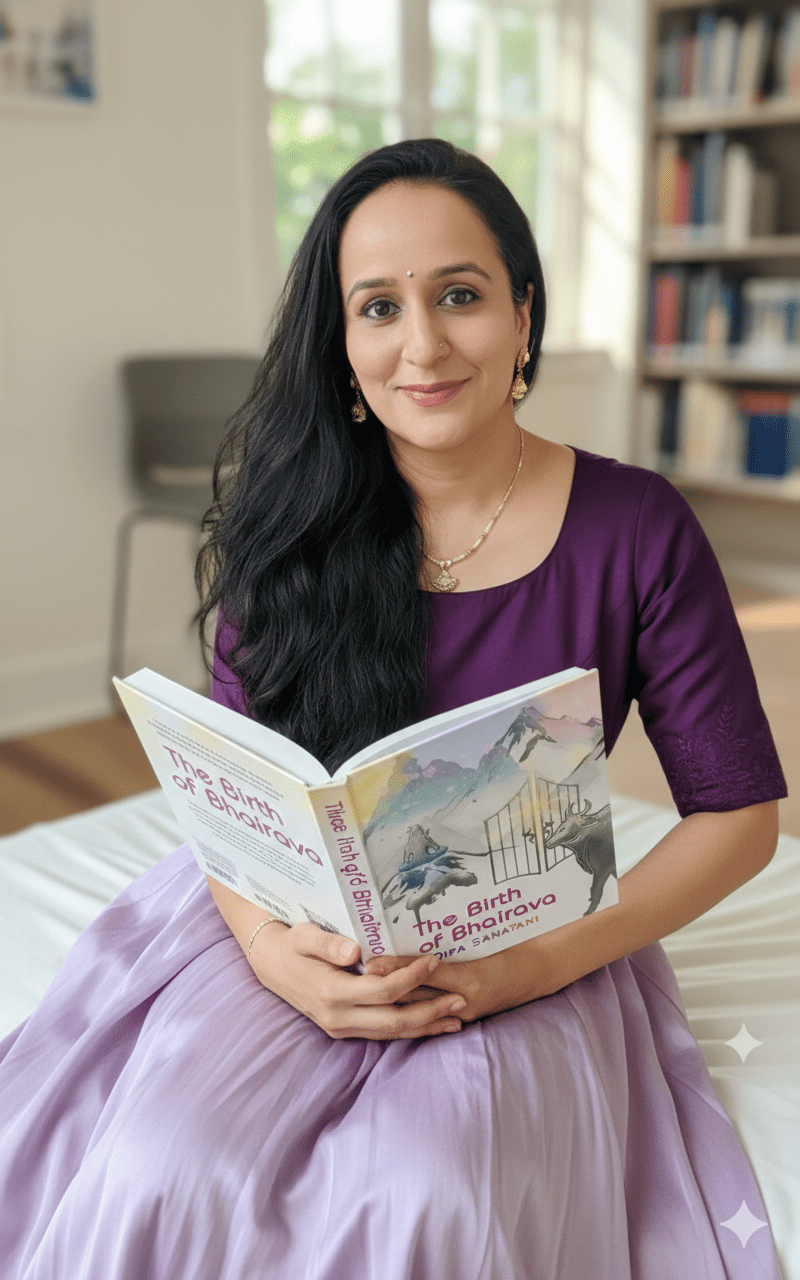
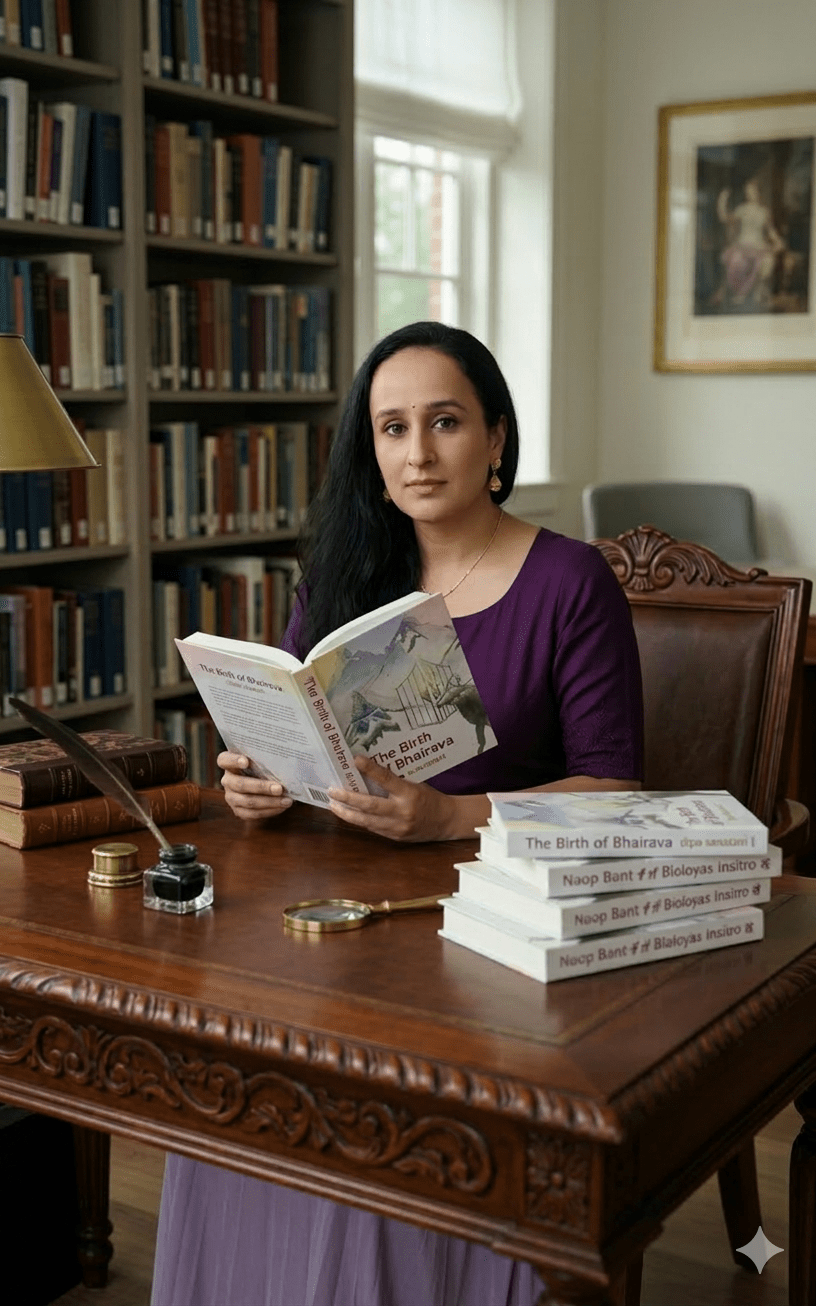
Creative entrepreneurship through my publishing venture Twinn Swan is at the heart of each creative act. The vocation as a book publisher is the continuous negotiation between artistic integrity, responsibility to one’s readers, and the realities of a changing literary landscape. To build stories that can serve as vessels for the sacred, I must balance inspiration with perseverance, tradition with innovation. With every manuscript and every collaboration, I return to this guiding inquiry: how might storytelling enable individual and collective transformation, inviting us all to rediscover the sacred in our midst?
To write sacred literature in the twenty-first century is, for me, to insist that the most urgent questions—about nature, faith, and meaningful work—deserve rigorous, unhurried attention. Through the convergence of these themes, I hope my work stands as both reflection and invitation. Each book, each post, is an attempt to hold a space where the old stories can speak anew, and where our own stories—no less significant—may find their place within the great, unfinished tapestry of the sacred.



 Twinn Swan
Leave a comment