
Shamanic sickness, sometimes called ‘shamanic illness’ or ‘shamanic crisis’ is a phenomenon reported across many traditional societies, where individuals destined to become shamans experience severe psychological, physical, or spiritual distress. This ordeal is not seen as a typical illness, but as a spiritual calling—a process by which spirits or deities attempt to enter, transform, or communicate with the future shaman.
The Nature of the Sickness
The symptoms of shamanic sickness can be extreme and varied, including vivid dreams, visions, emotional turmoil, and even near-death experiences. In many traditions, the spirits first try to entice the individual with promises, but if the person resists, the spirits may torment them with prolonged suffering until they accept their role as a shaman. This suffering can last months or even years, pushing the individual to the brink of madness or death.
Spirits and Gods: Entering the Human Realm
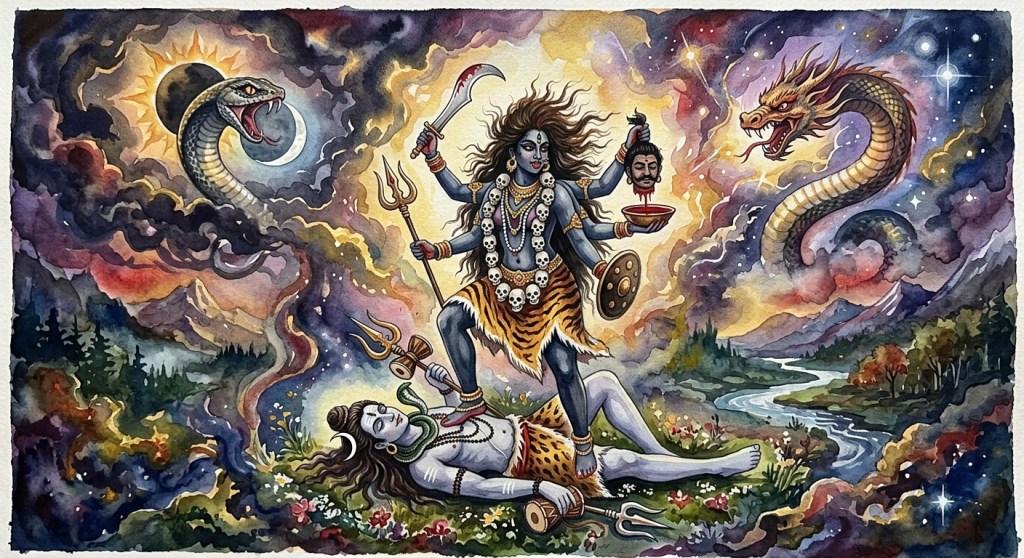
A central theme in shamanic sickness is the idea of spirits—or, in some cultures, gods—trying to ‘get into’ a person. This is not possession in the negative sense, but rather, a transformative process. The spirits are believed to dismantle aspects of the person’s identity, body, or energy system that do not serve the spiritual calling, effectively “killing off” the old self to make way for the new shamanic identity. The initiate may experience what appears to outsiders as insanity or a breakdown, but within the shamanic worldview, this is a necessary death and rebirth.
Energetic Imbalance and Alignment
Shamanic traditions often interpret illness as a sign of energetic imbalance—either an intrusion of foreign spirits or a loss of personal power. When a god or powerful spirit seeks to enter a person, it can create intense energetic disturbances. If the person resists or is unable to integrate this energy, it can manifest as severe illness or psychological crisis. Some shamans describe this as “high-voltage energy” that, if blocked, causes the person to “short-circuit,” leading to breakdowns or erratic behaviour.
Initiation and Resolution
The only cure for shamanic sickness, according to tradition, is accepting the call and undergoing initiation. Through ritual, guidance from elder shamans, and often direct communication with the spirits or gods, the individual learns to align with the incoming spiritual energy. This alignment allows the person to channel the power safely, emerging as a healer and intermediary between worlds.
Not All Spirits Are Benevolent
While many spirits that seek to enter a person are believed to be ancestral guides or gods with a purpose, shamanic traditions also warn of malevolent or discordant entities. In these cases, the shaman’s role is to remove or banish the harmful presence, rather than integrate it.

How and Why Spirits Choose a Particular Person
The Selection Process: Spiritual Calling Over Personal Choice
In shamanic traditions, the selection of a shaman is not a matter of personal ambition or social aspiration. Rather, it is widely believed that spirits, deities, or ancestral forces are the true agents in choosing who will walk the shamanic path. The individual does not summon the spirits; instead, the spirits summon the individual, often marking them from birth or through extraordinary life events.
Certain physical or spiritual signs are thought to distinguish future shamans from ordinary people. These may include being born with unusual physical features, surviving a traumatic ordeal, or experiencing severe illness or visions, especially during adolescence. In some cultures, the role is hereditary, with spirits choosing individuals from specific families, while in others, the selection can occur through dramatic life events like being struck by lightning or enduring a near-fatal sickness.

Why Spirits Choose a Person
The reasons spirits choose a particular individual are deeply rooted in both spiritual and cultural logic. Some are believed to possess an innate spiritual sensitivity or a unique constitution that makes them receptive to the spirit world. This may manifest as heightened intuition, vivid dreams, or an affinity for altered states of consciousness.
The onset of shamanic sickness—marked by visions, illness, or psychological turmoil—is interpreted as the spirits’ way of breaking down the old self to prepare the individual for a new role. The ordeal is both a test and a transformative process, ensuring only those who can endure and adapt are initiated.
The Calling and Acceptance
The process often begins with the spirits making their presence known through dreams, visions, or persistent illness. If the individual resists, the spirits may escalate their efforts, causing prolonged suffering until the person accepts the calling. This acceptance is seen as a surrender to the spirits’ will, after which the individual undergoes a symbolic death and rebirth, often marked by a period of unconsciousness or visionary “long sleep” in which the spirits test and transform them.
While the spiritual dimension is central, cultural factors also play a role. The status of shamans in a society, historical circumstances, and the age or number of current shamans can influence whom the spirits select. However, the core belief remains: the spirits themselves are the ultimate arbiters, choosing those who are most suited—by birth, ordeal, or destiny—to serve as intermediaries between worlds.
Spirits choose shamans based on a mysterious interplay of spiritual sensitivity, ancestral lineage, personal crisis, and community need. The chosen individual is marked, tested, and transformed—often against their initial will—until they accept their role as a bridge between the human and spirit realms. This process underscores the shamanic conviction that true spiritual authority is bestowed by forces beyond ordinary human control.
The Korean Shamanic Myth of Princess Bari

For readers seeking a powerful, multicultural exploration of feminine resilience and identity, my prose-poetry book The River Empress offers a moving and transcultural narrative rooted in both East Asian mythology and Hindu spiritual philosophy. Inspired by the Korean shamanic tale of Princess Bari and the Eastern concept of the karmic cycle, the novel tells the story of a goddess who is abandoned at birth for being born a girl-a fate that echoes the lived realities of many daughters across Asia.
Within these pages, readers will find not only a poetic meditation on the cycles of life, death, and rebirth, but also a mirror reflecting the struggles and triumphs of women throughout history and across cultures. The River Empress is a call to awaken the “Empress within,” celebrating the resilience that allows women to transcend societal constraints and rewrite their destinies. Available at all major online bookstores and at Singapore’s National Library Board (NLB) libraries, this novel is an inspiring testament to the enduring strength of women and the universal quest for belonging and recognition.



 Twinn Swan

Leave a comment