
Selective sex abortion, a practice affecting millions of families worldwide, goes far beyond a cold clinical term. It’s a gaping wound in the fabric of families and societies that is often shrouded in secrecy. Whispered confessions about these procedures echo with the deafening silence of unborn daughters. What would the world we live in look like if those children were permitted to be born?
While the focus of abortion debates today often rests solely on the woman’s right to choose, the toll of this irreversible life decision extends far and wide. The debate becomes even more complex when we consider the additional questions raised by selective sex abortion: questions about societal pressures, the remarkable journey of prenatal development and the potential for a blossoming life that’s been cut short.

The Unborn
Science sheds light on this incredible process. From the moment of conception, a unique genetic code sets the stage for an incredible transformation. Within weeks, a tiny heart begins its rhythmic pulse, a testament to the potential for life blossoming within the womb. Brain activity follows soon after, hinting at the complexities unfolding. This isn’t just a clump of cells; it’s a developing organism with the potential for a future filled with experiences, emotions and contributions to the world.
Faith-based views add another layer to the conversation. Many religions believe life begins at conception, imbued with a spark of divinity or a soul. This belief imbues the unborn child with inherent worth, deserving of a chance to live. It’s a responsibility extending beyond the mother; to include the father, the community and society as a whole.
The consequences of selective sex abortion extend far beyond the family. Skewed sex ratios have a chilling ripple effect throughout society. Imagine a world where there aren’t enough women for all the men. This “marriage squeeze” is just one challenge. Demographic imbalances and economic impacts can create social unrest. Selective sex abortion exposes the systemic issue of valuing sons over daughters, a deeply ingrained belief in some cultures that desperately needs to be dismantled.
The decision to terminate a pregnancy is undeniably a heart-wrenching one for many women. It’s a deeply personal choice filled with emotional turmoil, involving not just the potential for life but also the physical and emotional consequences on the woman’s body. Here, a woman grapples with the weighty responsibility of carrying a child, a responsibility that is undeniably hers due to the biological realities of pregnancy.
Nevertheless, it is important to acknowledge that while the woman carries the physical burden of pregnancy, fatherhood also carries significant responsibility. The child, after all, is the result of a shared experience. However, the concept of bodily autonomy, a woman’s right to control her own body, clashes with arguments that the father’s responsibility shouldn’t be negated. Some believe the father should have a significant voice, potentially even an equal say alongside the woman.
Fatherhood
Proponents argue that men shouldn’t be absolved of the consequences of their actions and the decision-making shouldn’t solely rest with the woman. Financial responsibility for a child exists through child support, but the abortion debate delves deeper, questioning a father’s emotional and paternal connection to the potential life.
The historical reality of fatherhood, however, throws a wrench into this debate. Throughout history, men have walked away from unwanted pregnancies, leaving women to bear the brunt of the consequences. This pattern fuels the resistance against granting fathers an equal say into what happens to their children. Societal expectations traditionally placed the burden of child-rearing on women and men faced minimal legal or social pressure to be involved in the raising of their own children.
This silent history casts a long shadow. If fathers haven’t historically stepped up, why should they now have a say in the decision which appears to solely impact the woman? The nagging yet real issue of absent fathers creates a significant hurdle in the debate about their role in abortion decisions. However, acknowledging this context allows for a more nuanced discussion about potential changes, shared responsibility and the evolving role of fathers in modern society.
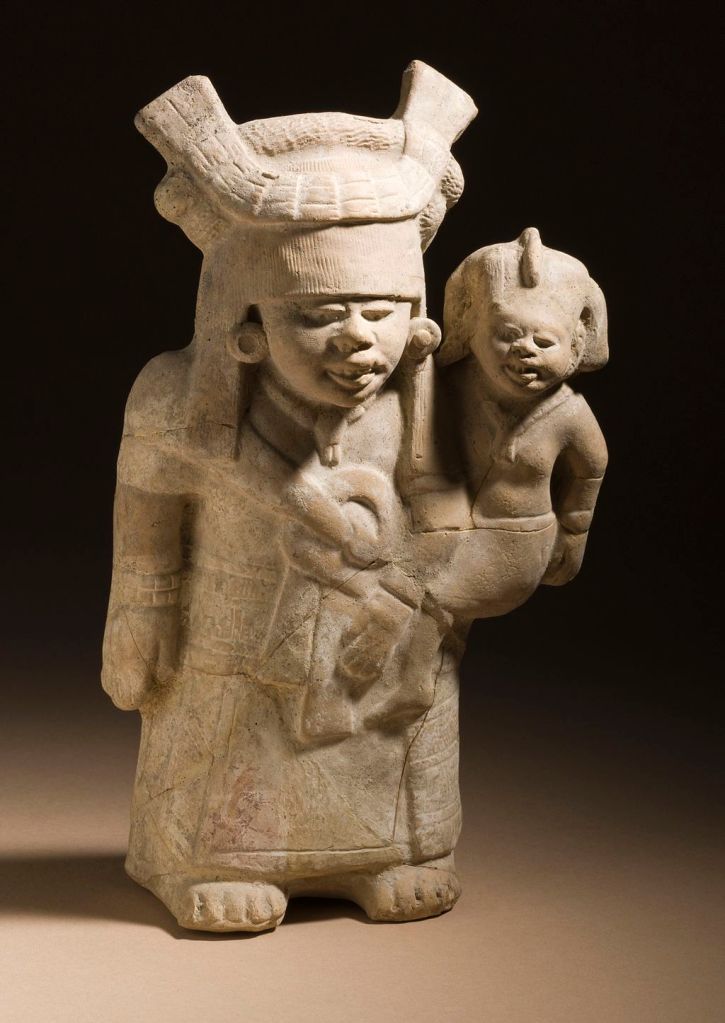
Mother?
Selective sex abortion is a symptom of a world that deems daughters less valuable. We need open dialogues, not judgment. We need to empower women, dismantle outdated traditions that fuel this practice, and celebrate daughters, instead of erasing or silencing them. The path forward requires empathy, not just for women facing agonising choices, but for the potential lost, the lives that could have been.
Navigating this potential for life becomes a heart-wrenching decision for some women. The abortion debate becomes a tangled web when we consider that we simply can’t ignore the biological and emotional reality of maternal instinct and the primal urge to nurture a child. Evolution ingrained this powerful force within us. Yet, in some cultures, societal pressure becomes a suffocating force. The weight of tradition and fear of ostracisation can morph a personal choice into a desperate act of conformity. Daughters are deemed less valuable, their potential erased for the sake of fitting into a skewed system which does not even value the mother who is a part of God’s Divine Plan.
Motherhood shouldn’t be a battlefield where sons are trophies and daughters are casualties. It should be a celebration of creation, a joyous embrace of love, no matter what gender graces the world. By fostering open dialogue and chipping away at rigid structures that prioritise sons, we can pave the way for a future where daughters are born with open arms.

The Divine Plan
Many religions view the universe as a creation governed by order and balance. Within this order, men and women, with their distinct biological and potentially spiritual qualities, are seen as complementary forces. This complementarity extends to the act of procreation, with childbirth becoming a way for women to express their unique role in the divine plan.
Some interpretations view the woman’s body as a sacred vessel chosen by God to carry new life. The Virgin Mary, for instance, is seen as a perfect example of this, chosen to bear the Son of God. This emphasises the sanctity of childbirth and the woman’s role in the divine plan.
Within the Abrahamic traditions, the creation story often depicts God forming Adam and Eve from the earth, highlighting the inherent connection between men, women and the earth as parts three parts of a whole. Childbirth becomes a way for women to fulfil the divine mandate to “be fruitful and multiply” (Genesis 1:28), ensuring the continuation of humanity as a whole.
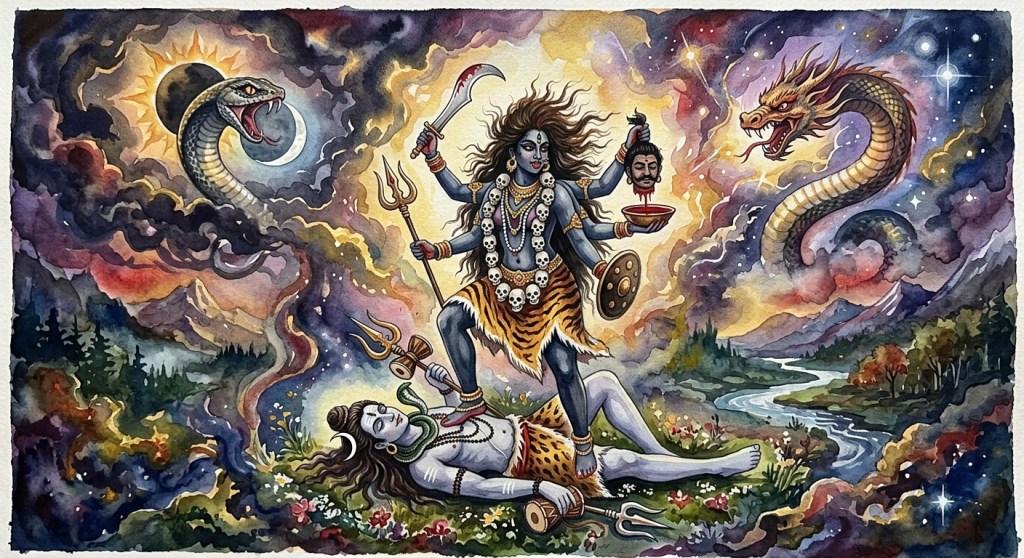
In some Eastern religions, childbirth is seen as part of the cycle of karma and rebirth. The woman, by giving birth, facilitates the arrival of a new soul into the world, contributing to the ongoing cycle of life, death, and rebirth. Respect for the life force and the interconnectedness of all things is a core principle in many indigenous traditions. Childbirth is seen as a time of immense power and transformation, requiring rituals and ceremonies to honour the mother and the new life entering the world.
It is a time of creation.



 Twinn Swan
Leave a comment