
Across the globe, regardless of race, language and perhaps even religion, the deep yearning for a son weaves itself into the tapestry of many cultures. This preference, deeply rooted in tradition and societal expectations, can have a profound impact on families and, more importantly, on the lives of girls. This age old yearning for male children transcends borders. It is a prayer and a melody woven into the very soul of countless cultures, regardless of the language spoken or the religious affiliation one adheres to.
While the creation of a son may bring short-lived happiness to parents, it can cast a long and heavy shadow over the lives of their children. The preference for sons remains a significant problem in some parts of the world, particularly in South and East Asia. Advances in prenatal testing have had the unfortunate side effect of facilitating sex-selective abortion: a harmful practice where pregnancies are terminated solely because the foetus is female.
While the desire for a son may, indeed, stem from a deep-seated sense of lineage, inheritance and economic security, the consequences for daughters–and for society as a whole–can be heartbreaking, irreversible and morally reprehensible. This practice not only diminishes the inherent value of daughters, but also entrenches social and economic disparities, leaving a trail of deep wounds on the very fabric of society. Healing these wounds requires dismantling the very structures that perpetuate the preference for sons over daughters.

Systematic Exclusion Policy
In many cultures, family lineage and inheritance customs are inextricably linked to the male line. Religious rituals or roles might be exclusively for males, creating a strong desire for sons to carry on these traditions. Even when a woman is able and willing to perform this role, her contribution is likely to be neither be valued nor acknowledged.
This systematic exclusion can be deeply disheartening. Imagine a daughter watching her cousins and her brothers being meticulously prepared to take on these important family roles, knowing that she, despite her potential, will never be given the chance. The message is clear: her role is secondary, her contribution less valuable simply because of her gender.
The consequences of this exclusion extend beyond emotional hurt for it is often their very own fathers and mothers who have perpetuated and participated in this societal system. In the end, the inevitable happens: daughters who are denied the opportunity to participate in these traditions might lose, and in some cases even choose to sever, the sense of connection they once had to their family history and cultural identity.
Systematic Inclusion Policy?
Rituals can be adapted to be inclusive or daughters can be given the opportunity to learn and participate alongside their brothers. By dismantling these walls of exclusion, we can create a richer, more meaningful cultural experience for all members of the family. Traditional gender roles often portray men as the breadwinners and protectors, while women are relegated to domestic duties.
But what happens when the son, through circumstance or choice, fails to live up to the family’s expectations of him? The son, heavily ostracised for not fulfilling his perceived duty, will undoubtedly experience feelings of inadequacy and alienation. The pressure to conform can be immense, leading to internal conflict and potentially pushing him further away from the family unit.
The key lies, then, in recognising that a family’s success doesn’t hinge solely on sons. Every child, regardless of gender, has the potential to contribute meaningfully. By fostering an environment that celebrates individual strengths and talents, families can create a more resilient and vibrant tapestry, one that is not easily frayed by a single broken thread.
Ultimately, the story of son preference is not just about the value placed on sons, but also about the limitations it places on daughters and the immense pressure it puts on sons. By dismantling these rigid expectations, we can pave the way for a future where all children are valued for who they are.
The Bitter Pill
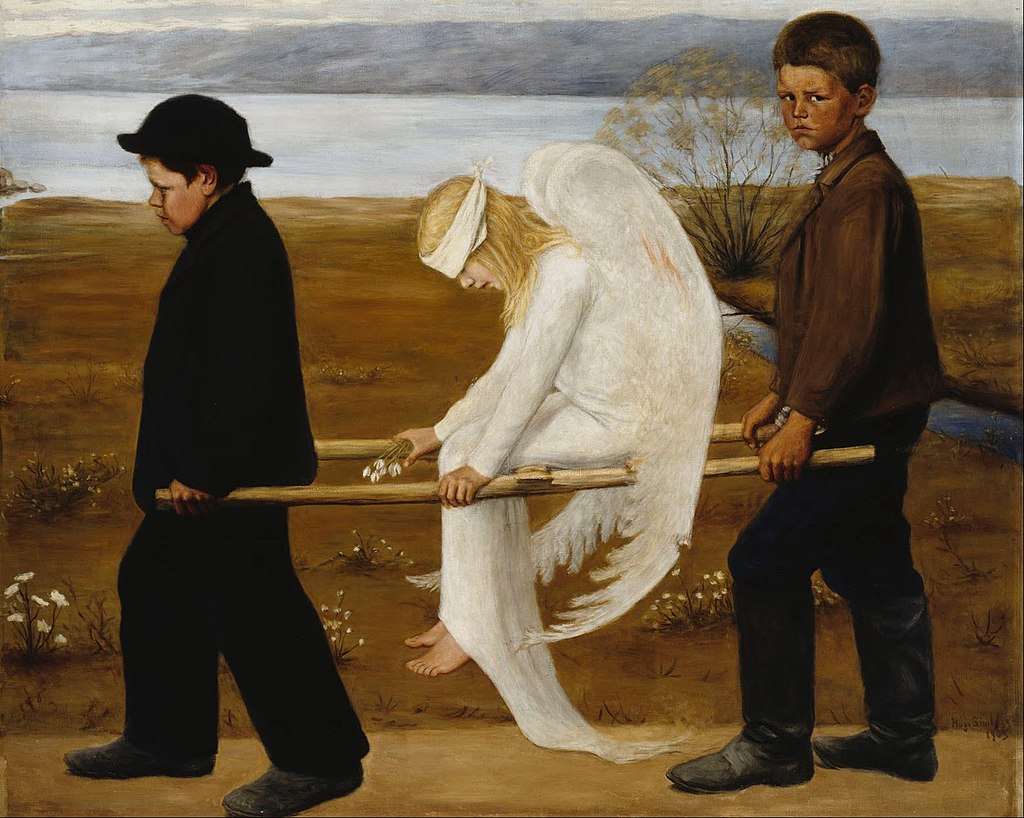
Daughters in families with a strong son preference receive less investment in their education, healthcare and overall well-being in comparison to their brothers. This, unfortunately, is a preference which is perpetuated by both men as well as women. This known disparity can limit their future prospects and perpetuate an endless cycle of disadvantage.
Growing up in an environment where girls are undervalued, regardless of what they achieve, has a detrimental impact on girls’ self-esteem and mental health. They might experience feelings of isolation and a lack of self-worth. While investing in girls’ education is a powerful tool for change, this measure is insufficient if traditional institutions and structures continue to perpetuate gender bias and inequality.
While education does equip girls with the skills and knowledge they need to be self-sufficient and contribute meaningfully to society, all their hard work is meaningless and goes down the drain when both men and women contribute to maintaining a system that significantly disadvantages and demeans their daughters, their wives and their sisters.
The current modus operandi is that when women have access to economic opportunities and participate in the workforce, it challenges the notion that sons are the sole breadwinners. This view is both short-sighted and flawed when we take into consideration the falling birth rate in developed societies. Son preference, while deeply ingrained in some cultural tradition, is now proving to be counterintuitive in a world facing a shrinking workforce.
Developed societies, with their declining birth rates, are increasingly reliant on immigration to maintain long-term economic stability. In this context, son preference becomes a paradox – a cultural preference that works against the very need for a larger and more diverse workforce.
Imagine a society that has traditionally valued sons for their economic contributions. Now, due to a declining birth rate, there aren’t enough children, sons or daughters, to fill essential jobs. This is already leading to labour shortages, hindering economic growth and straining social security systems.
Religious leaders, in particular, can play a pivotal role in promoting gender equality within their communities by taking into context the challenges of our era instead of harking back to the past and traditional knowledge. By focusing on religious teachings that emphasise the value of all life, they can help dismantle harmful orthodoxies which are long overdue for change.
A Future Where Every Child Thrives
The yearning for a son is a symphony with many instruments playing in harmony. Yet, it’s crucial to remember the silent notes in this song – the hopes and dreams of daughters who deserve an equal chance to thrive.
The desire for sons is a complex issue with deep cultural roots. By acknowledging its potential pitfalls and working towards a more balanced future, we can create a world where all children, regardless of gender, are valued and nurtured. Let us strive for a future where every child has the opportunity to thrive, contribute and reach their full potential.
The creation of this future requires ongoing dialogue, cultural sensitivity and a commitment to dismantling harmful practices and societal structures. By working together, we can ensure that the brilliance and potential of every child, be it a son or a daughter, is celebrated and allowed to flourish.



 Twinn Swan
Leave a comment