Nomadism was and is a way of life for certain people, ethnic groups and even communities. I see it as different to a diasporic people. Nomadism is a lifestyle where people moved according to the season. It originated when we were hunter-gatherers and developed into cattle-herding when we domesticated animals–especially sheep and bovines. These flocks of animals went where we went. We would find pastures for them to graze and through that journey we went from here to there to God knows where.

Settled communities, on the other hand, have their roots in agriculture. We would work with the land to make it more productive. We would grow root vegetables, grains, fruits and other carbohydrates. In the earliest days of its conception, it was to grow grains and the like. As time went on, and as our societies grew more complex, the real estate industry for homes and commercial properties developed.
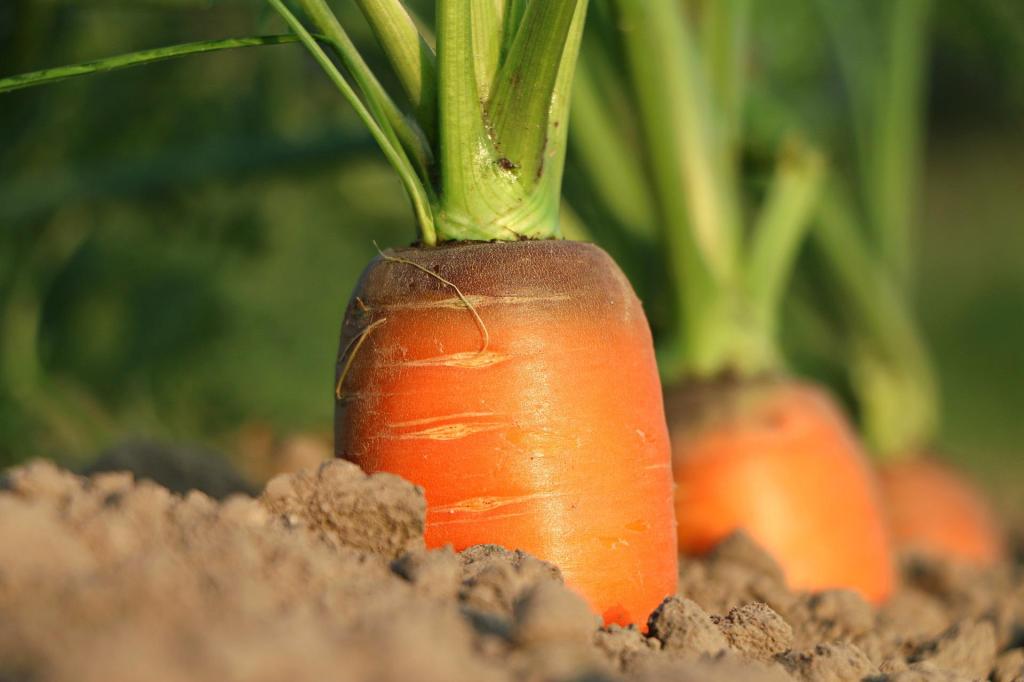
In the globalised world before COVID, many lived a nomadic existence. We moved where we needed to–be it for work, education or even travel. The pandemic forced many of us to settle down and put down roots; or even rediscover roots that we had abandoned or left behind in search of greener pastures. We have rediscovered the long lost carrots of our settled ways.
Historically, both immigration and settlement were necessary for a healthy economy. It is not that one way of life is superior to the other; it is more that they came with different responsibilities and a different idea of commitment.
Commitment is the act of making a choice and sticking to it. At the same time, our commitments can and do change. There are periods in history where nomadism is a choice and a way of life; and other periods in history where we settle down, put down roots and well…stay put.
The restless spirit is forever seeking new pastures. But that is not just a romantic idea of wanderlust. People seek new pastures when they have to. I suppose we are a flock of sheep seeking a shepherd. Or perhaps we are being led by sheep who desire greener pastures where they can graze. Who knows?
In either case, the emergence of agricultural communities led to the evolution of other industries: namely banking, the commercial enterprise and even the stock exchange. We are forever finding new and innovative ways to make the land more productive than it was before.
The land also needs to rest; and so our returns still follow the cyclical ups and downs from when we subsisted primarily on agriculture. Perhaps real estate prices reflect this trend.
We may move to where our heart desires; but I feel that it is ultimately either the land or the flock that chooses us. Both choices come with their pros and cons. But what we have to do is make a choice… and then make a commitment to it.
With that commitment firmly in place, we can embark upon a new destiny.



 Twinn Swan
Leave a reply to The Political Economy of Ancient Egypt – The Mercantile Cancel reply