
For the Chettiars, the story begins with trading in precious stones. They were traditionally merchants and traders, but later became involved in banking and moneylending activities.
Early in their history and prior to the onset of colonialism, the Chettiars, who originated in Tamil Nadu, were known to venture overseas far from their homeland in pursuit of economic fortune. The ventured far and wide–all the way from South Africa to Southeast Asia. In the Chettiar community, it is a source of pride for a male to leave both family and home to venture forth in pursuit of economic success.

In Singapore, the Chettiars conducted their businesses in kittangis warehouses which were usually shophouses. They would set up their own miniature office on the ground floor of a kittangi. A Chettiar moneylender usually operated individually and had his own safe, wooden cupboards and designated spot for conducting business. The concept was austere and simple. The Chettiar moneylender would sit on the floor as he worked from his small designated wooden desk. There were no partitions that separated one Chettiar moneylender from another.
A Chettiar’s financial training would usually begin in childhood. Boys as young as nine would learn the theory of banking and accounting from family members. They were rigorously trained in mental arithmetic and even taught to do mental calculations in fractions. Once they reached their teens and were considered ‘old enough’, they would be sent off to serve their apprenticeship at various Chettiar firms.
Where the colonial banks previously failed in making viable and recoverable loans, the Chettiars successfully took on the risk of lending and successfully made a profit while achieving the aim of the colonial authorities: the monetisation of the rural and trading sectors of the local economies, which enabled them to be linked to global markets.
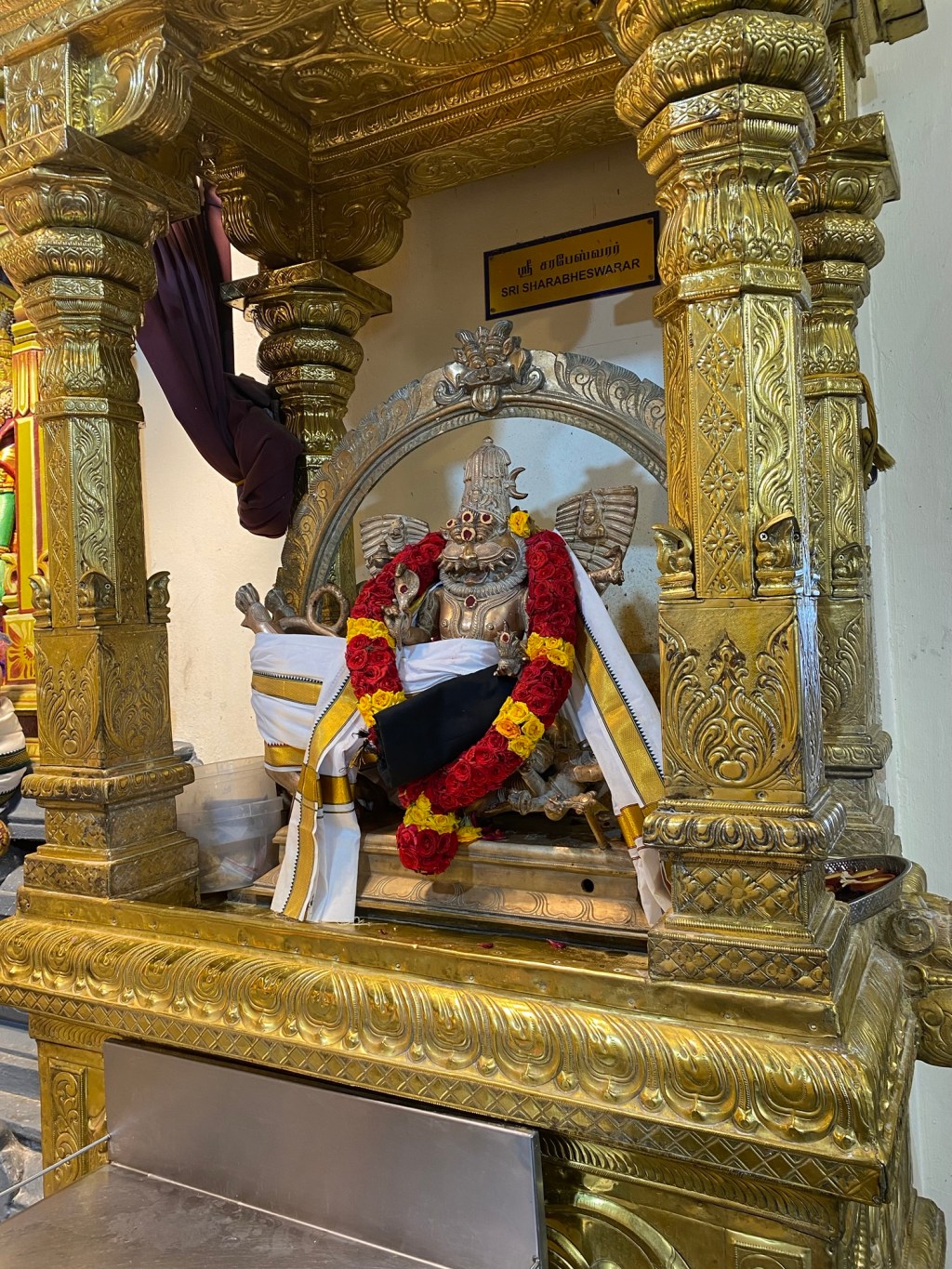
There was a religious undertone to the Chettiar way of doing business. As devout Hindus, they would typically visit the temples almost daily to offer their prayers. During Hindu festivals, they would volunteer their services to the temples. In Singapore, the Chettiar community established the Sri Thendayuthapani Temple at Tank Road in 1859 to provide a place of worship for the Hindu deity, Lord Murugan.


 Twinn Swan
Leave a reply to St. Matthew | The Patron Saint of Bankers, Accountants and Financiers – The Mercantile Cancel reply