-
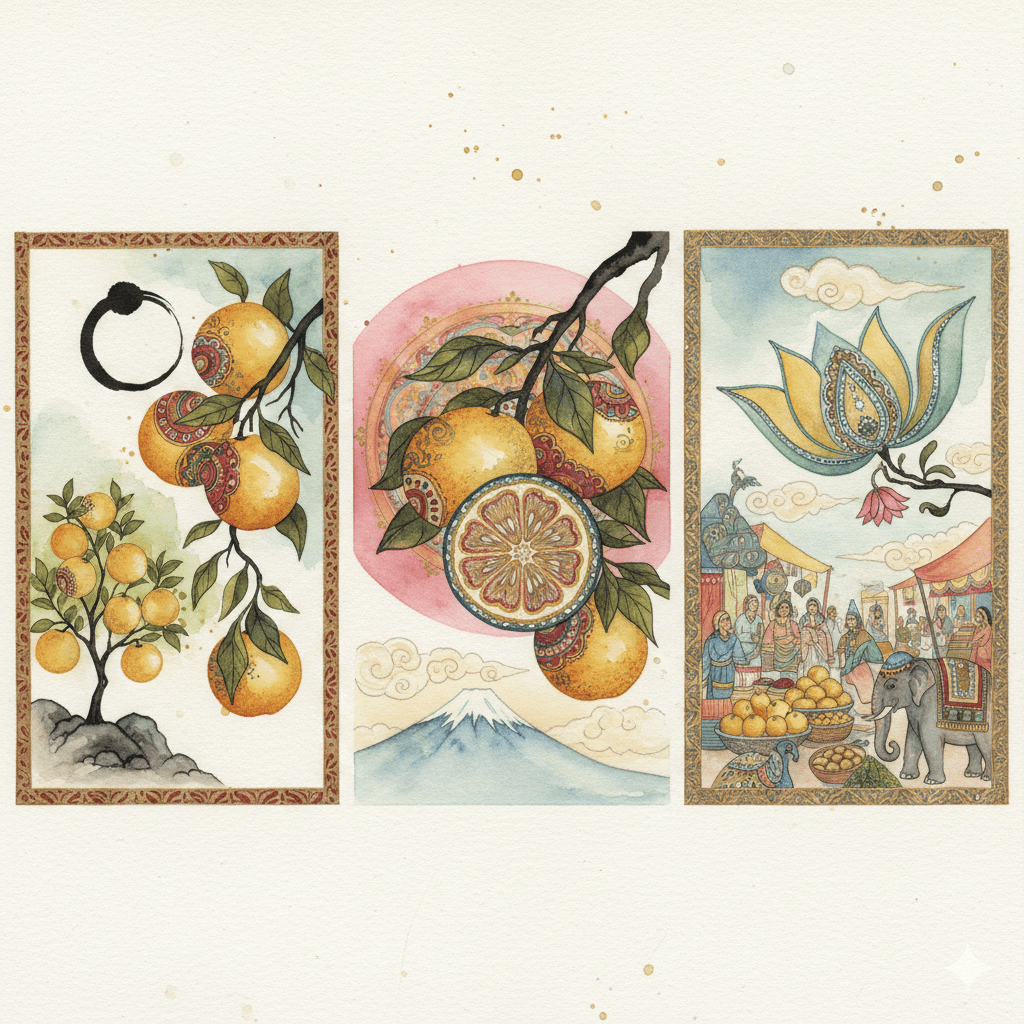
Yuzu and the Sacred | Spiritual Symbolism in Japanese Religious Life
Yuzu’s particularly pungent, sharp, and distinctive aroma made it a natural candidate for this apotropaic function. It is not merely pleasant; it is assertive, almost aggressive in its fragrance.
-
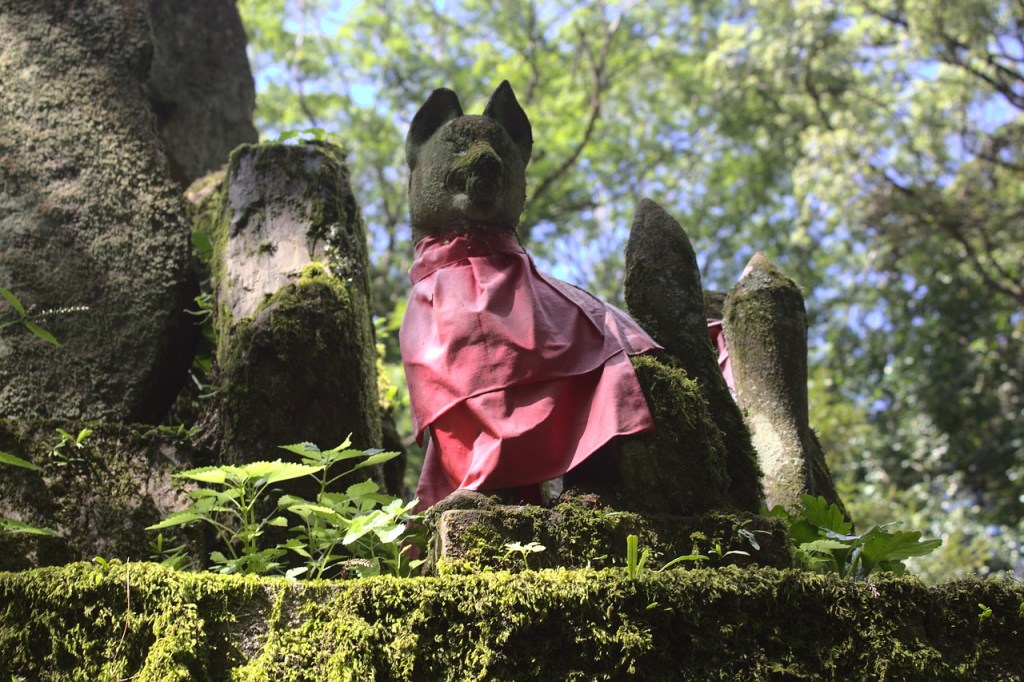
Unlocking Prosperity | The Symbolism of Foxes in Japanese Kitsune Lore
Inari is revered as the protector of rice and business, and by holding these keys, the kitsune remind worshippers of the importance of honouring Inari to ensure prosperity and good harvests.
-
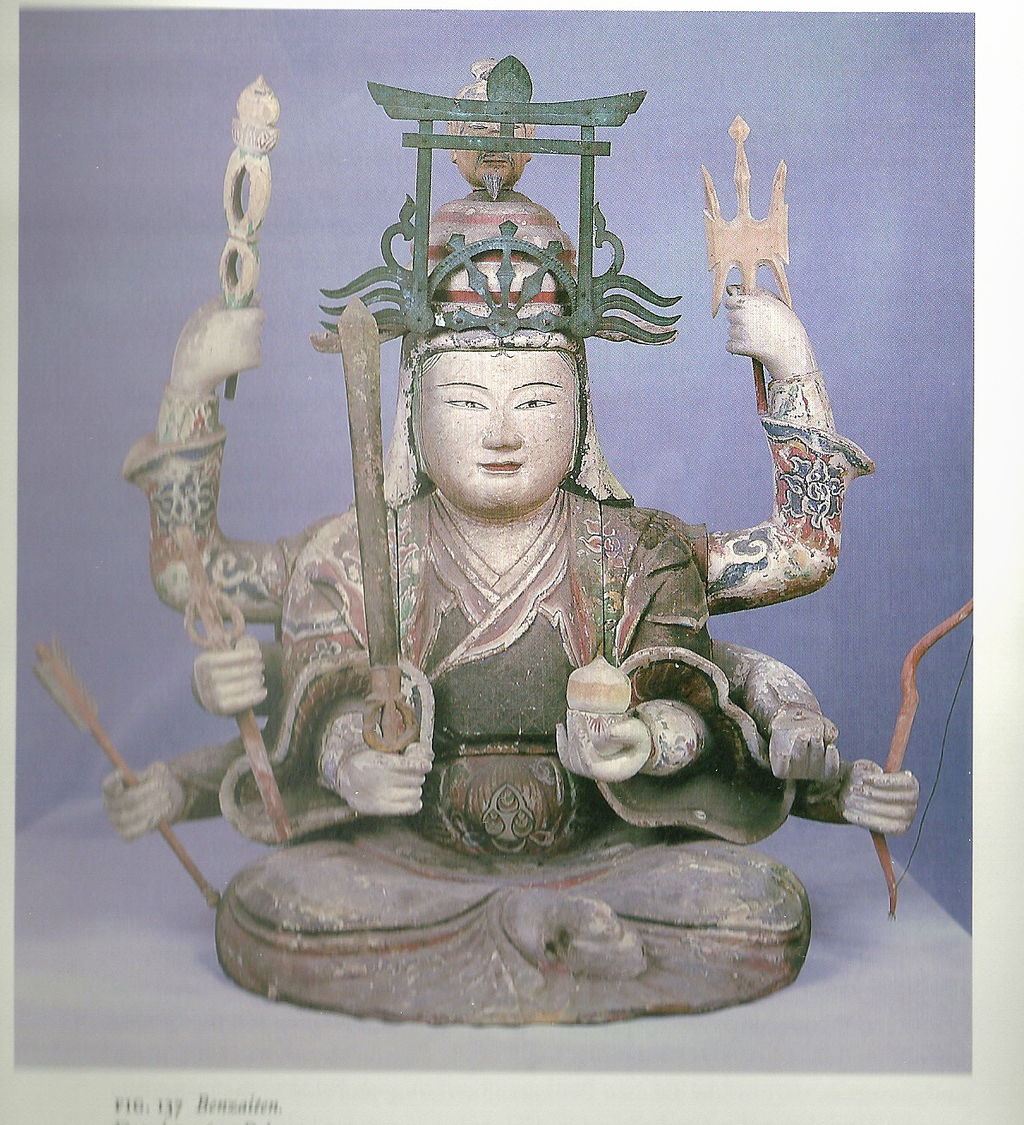
Ugajin and Benzaiten | A Merger of Two Deities
Shinto, the native religion of Japan, has strong animistic beliefs. The land itself is seen as a living entity, and Ugajin might represent a spirit embodying the fertile power of the earth.
-
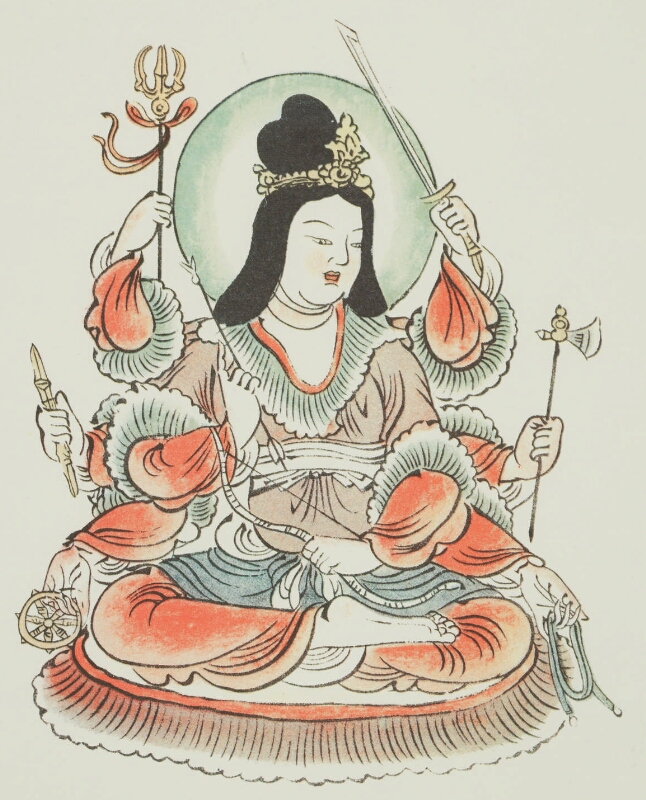
When Goddess Saraswati Becomes Benzaiten | A Journey to Japan
The inclusion of snakes and dragons in Benzaiten’s iconography enriches her character and deepens her connection to the natural world and powerful forces. It adds another dimension to her role as a protector, benefactor and a goddess of knowledge and transformation.
-

The Tale of the Bamboo Cutter | A Story of Princess Kaguya
From that day and that moment on, every bamboo stalk the old man cut down had a nugget of gold in it.
-
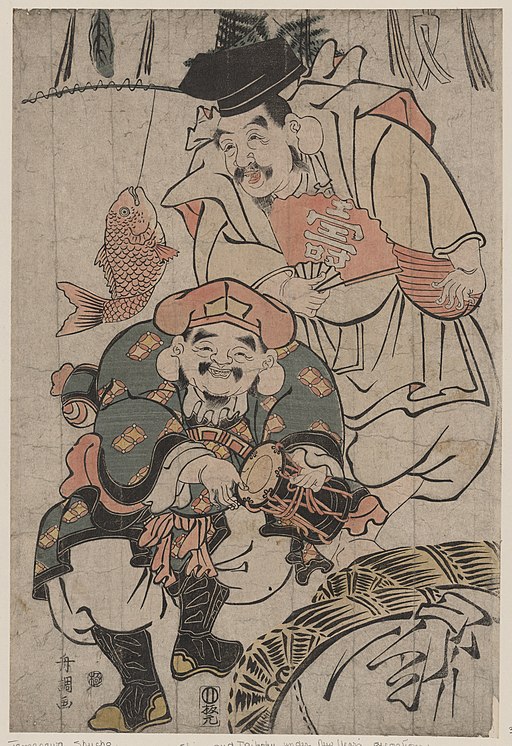
Ebisu | The Patron God of Lucky Fishermen
Out of the Seven Gods of Luck, it is only Ebisu who is wholly and entirely Japanese.
-
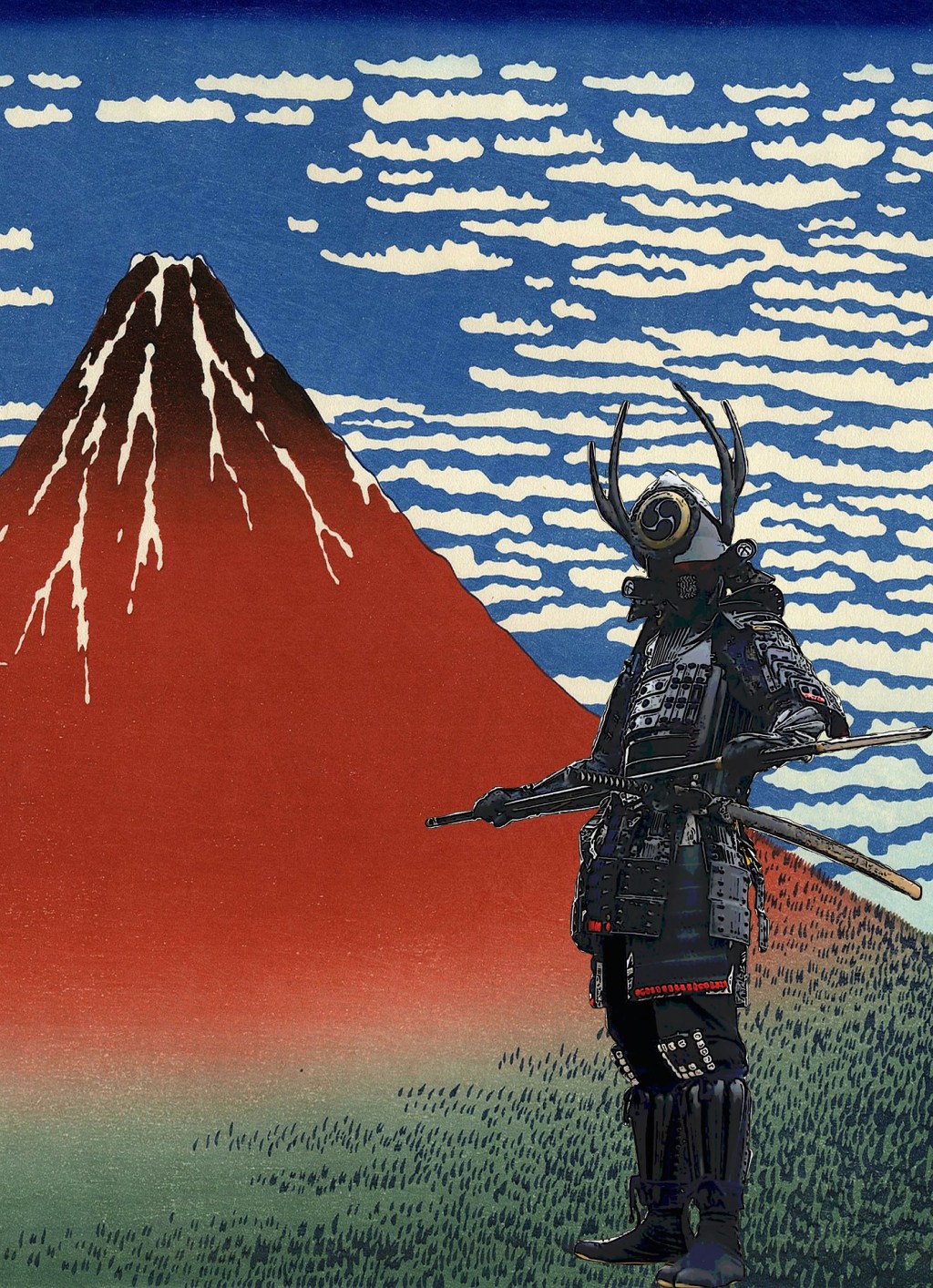
The Primal Force of Nature | When Volcanoes Awaken
Volcanoes are Nature’s architects. In the aftermath of its destructive force lays the potential for a new creation.
-

A Brief Summary of The Flying Geese Paradigm | A Wartime Theory of Economic Development
The flying geese paradigm conceptualises the link between economic growth and industrialisation as being led by a ‘lead geese’.
-
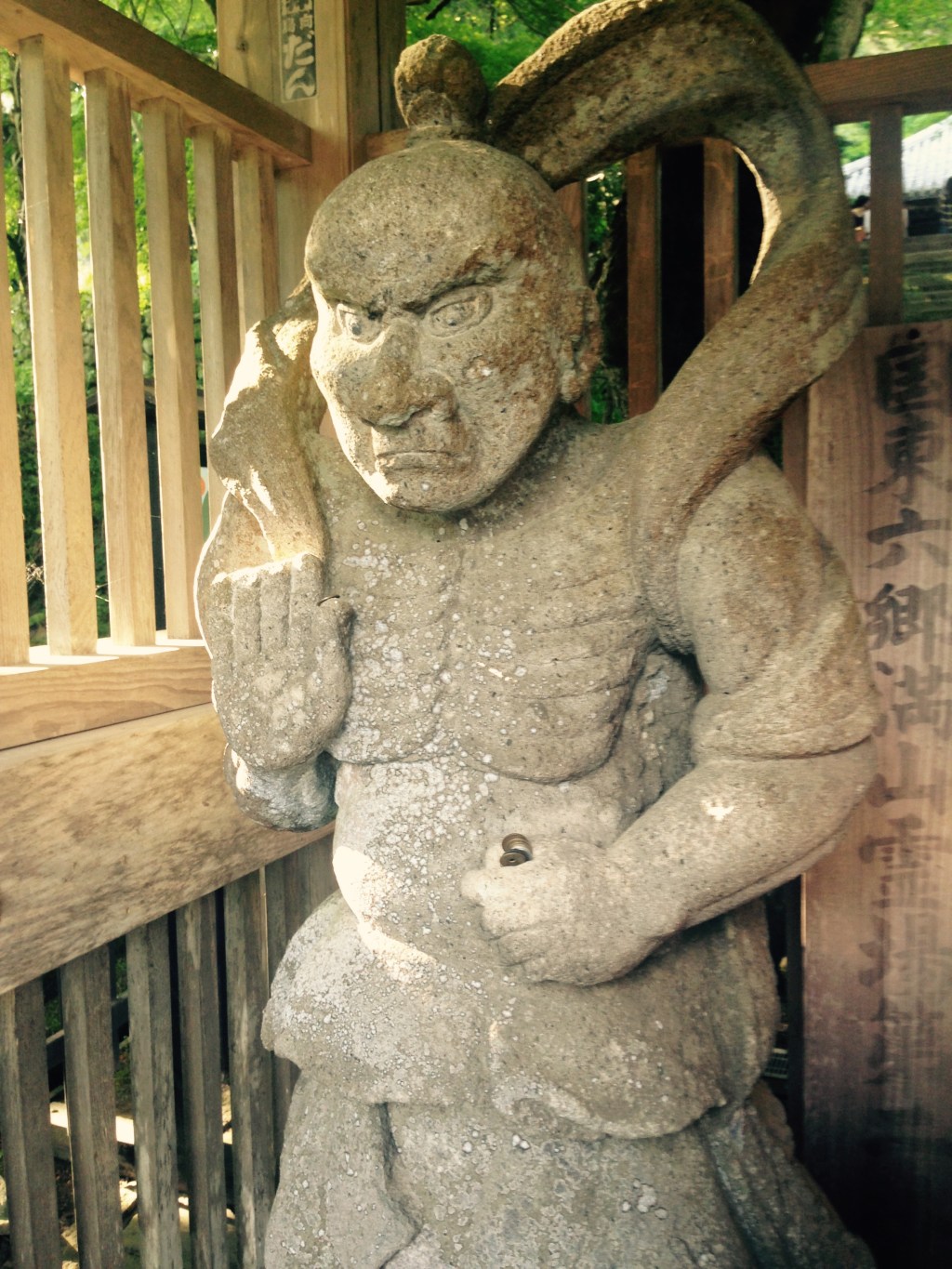
The Gujarati Diaspora of Japan | A Returning to Uprooted Roots
As a city of business, Nagoya has all of the amenities of city life.
-

The Demi-Glazed Devils of Nagoya | When Gods Become Devils
Most foreigners who come to Japan congregate in the big cities. Who can blame them?
 Twinn Swan