
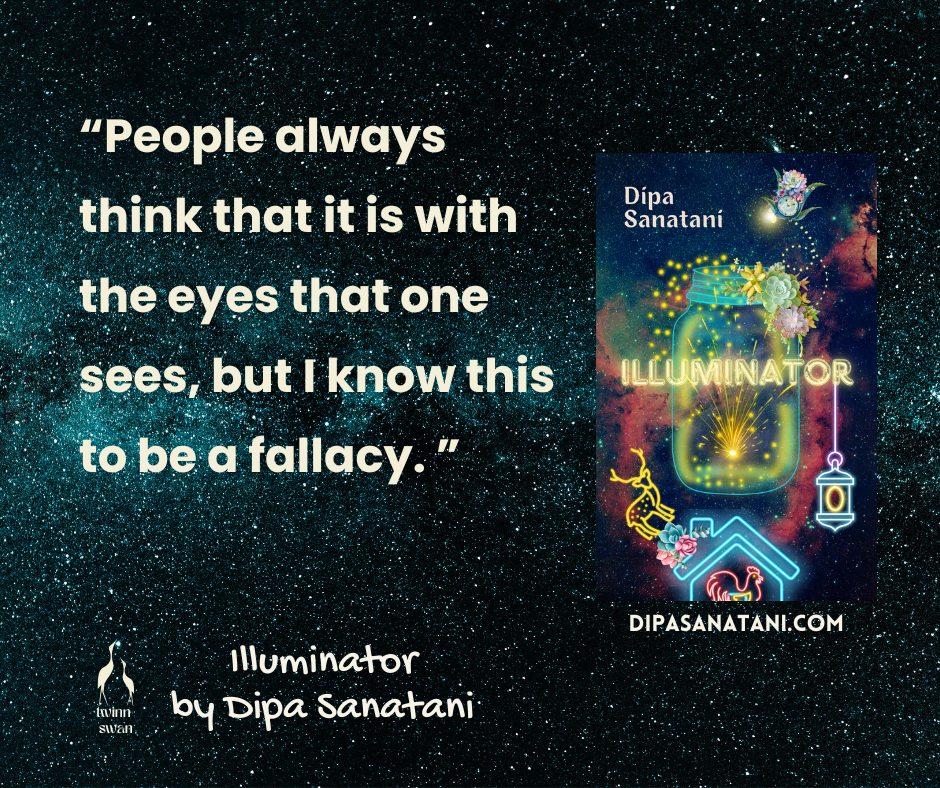
My sixth book, Illuminator, is a deep dive into an interwoven theology that views the natural world as a sacred entity, a place where ancient myths breathe, and where annihilation is a precursor to divine regeneration. The book is dedicated to Lord Shiva as Sri Nageshwara, the Lord of the Serpents, an epithet that holds the key to the core spiritual philosophy of the narrative.
The Dynamic of Destruction and Regeneration
At the heart of Illuminator is the dynamic of loss leading to renewal: a theological concept epitomised by Lord Shiva. The dedication to Nageshwara—Shiva as the master of fear who wears serpents as garlands—introduces the idea that transmutation emerges from what we fear or what appears poisonous. The poison, much like the destruction faced by the forest, is the catalyst for a deeper, more resilient generation of life. Shiva’s presence watches over the hidden thresholds between calm and chaos, life and regeneration.
The narrative follows an assortment of characters who must contend with the aftermath of the forest’s destruction. This journey is a metaphor for a spiritual truth: healing the external world is intrinsically linked to healing the self. The forest’s regeneration is not just an ecological event; it’s a spiritual rebirth, emphasising how endings are simply seeds for new beginnings. The central theme echoes the wisdom: “In the midst of the great tragedy, there was a sense that Mother Nature would ultimately triumph.”

The Sacredness of Nature: A Multi-Faith Dialogue
Illuminator blends rich ecological themes with legendary elements drawn from diverse spiritual traditions—Hinduism, Buddhism, Norse mythology, and Christianity—to establish the sacredness of the natural world.
The book treats the forest a living, breathing entity worthy of reverence. The initial disturbance—a human presence at an abandoned shrine—is a change in the natural order, a desecration of a sacred space. This highlights a universal truth found across many faiths: the Earth is the first temple, and humanity’s path to harmony lies in reverence and respect, not dominance.
The characters of the blind stag, who foretells the calamity, and the Old Oak, who clings to ancient traditions, embody the tension between divine foresight and resistance to change. The Stag represents the unconventional Divine Masculine—a protector whose wisdom is heeded by those who survive.
The Old Oak represents steadfast tradition. His refusal to adapt in the face of prophecy mirrors the age-old struggle between holding onto the past and embracing the necessity of growth. The core message is that honour for the past does not preclude the need to adapt for the future.
Interlacing Dualities
Ultimately, Illuminator is a call to awaken the environmental consciousness within the reader. It whispers that illumination arises not from retreating from the world, but from communion—tending to the self, to others, and to the Earth itself. It’s a reflection of my lifelong belief that the purity of consciousness is a priceless gift, one that can either tear us apart or bind us together with the sacred rhythm of life.





 Twinn Swan
Leave a comment