
In the shadowed hours of reading, the work of translation reveals itself as both precision and surrender. It’s not just the surface meaning that is ambiguous, but the silences wedged between words across centuries and continents. My research and writing have never been confined to one inherited line: the lived complexity emerges where Sanskrit mantras meet the mysticism of Hebrew and where Tamil devotional hymns echo beside Korean shamanic tales as well as fragments of Arabic verse.

Each script, each tradition, carries its own metaphysical density—its riddled gestures toward the divine—while simultaneously resisting total assimilation. The task isn’t merely linguistic; the translator must wrestle with mysteries—shadows shimmering just out of view, meanings withheld as much as offered.
I have spent months grappling with a passage that has been wound through multiple languages, only to find what was preserved in one tradition appears lost in another. There is loss here, yes, but also an uncanny rebirth: the text becomes a companion to a repeatedly reinvented psyche, reformulating age-old spiritual questions and birthing old ideas in new linguistic forms.
No translation is immune to rupture or distortion, yet each attempt is also an act of reverence—or perhaps a plea for permission to be transformed. The soul of the text demands that the reader yield and adapt.
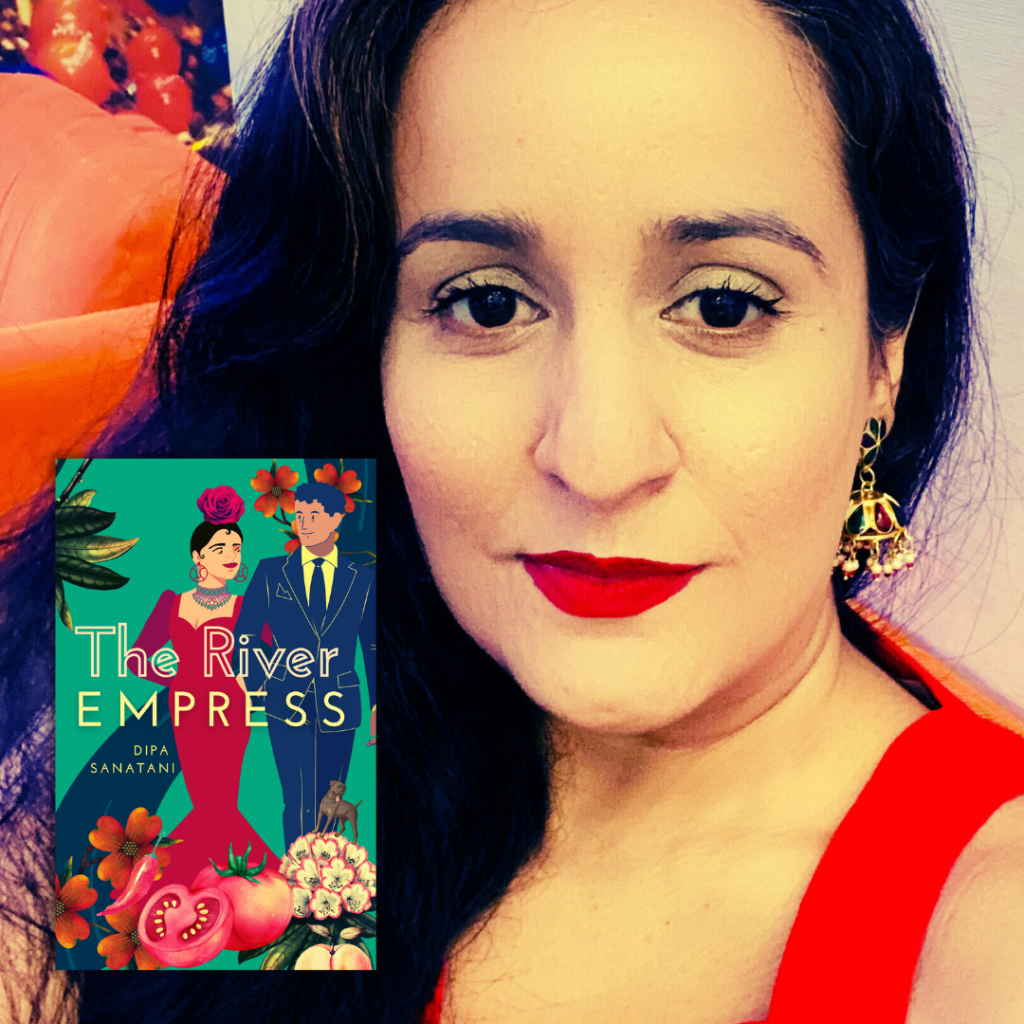
My work draws strength from the coexistence of multiple linguistic and spiritual traditions rather than confinement to a single lineage. The rhythms and textures of Sanskrit, Tamil, Hebrew, Korean, and Arabic texts converge in unexpected ways, each voice adding depth and breadth to the whole. This intersection is not about choosing one definitive meaning, but about allowing contrasting insights to shape a more layered understanding.
Different cultural expressions of devotion, ritual, and poetry mingle and inform one another, creating fertile ground for new interpretations and creative responses. Embracing this diversity opens the door to complexity and nuance—qualities that are essential for the spiritual and literary challenges I explore. It is through this shared multiplicity, rather than exclusion or hierarchy, that the work becomes alive and relevant.

It is never a question of fidelity alone. To translate is to walk into the risk of misunderstanding, of loving too well or not enough, of allowing the ancient word to speak not only through intellect, but through the layered memory of many lives and losses—including my own. Sometimes, after strenuous repeated encounter, the resistant text ceases to be a relic from elsewhere. It becomes an organ of consciousness—a living fragment, breathing and ambiguous, shaping the heart of a new book, or asking the writer to stand, again, in ritual silence.
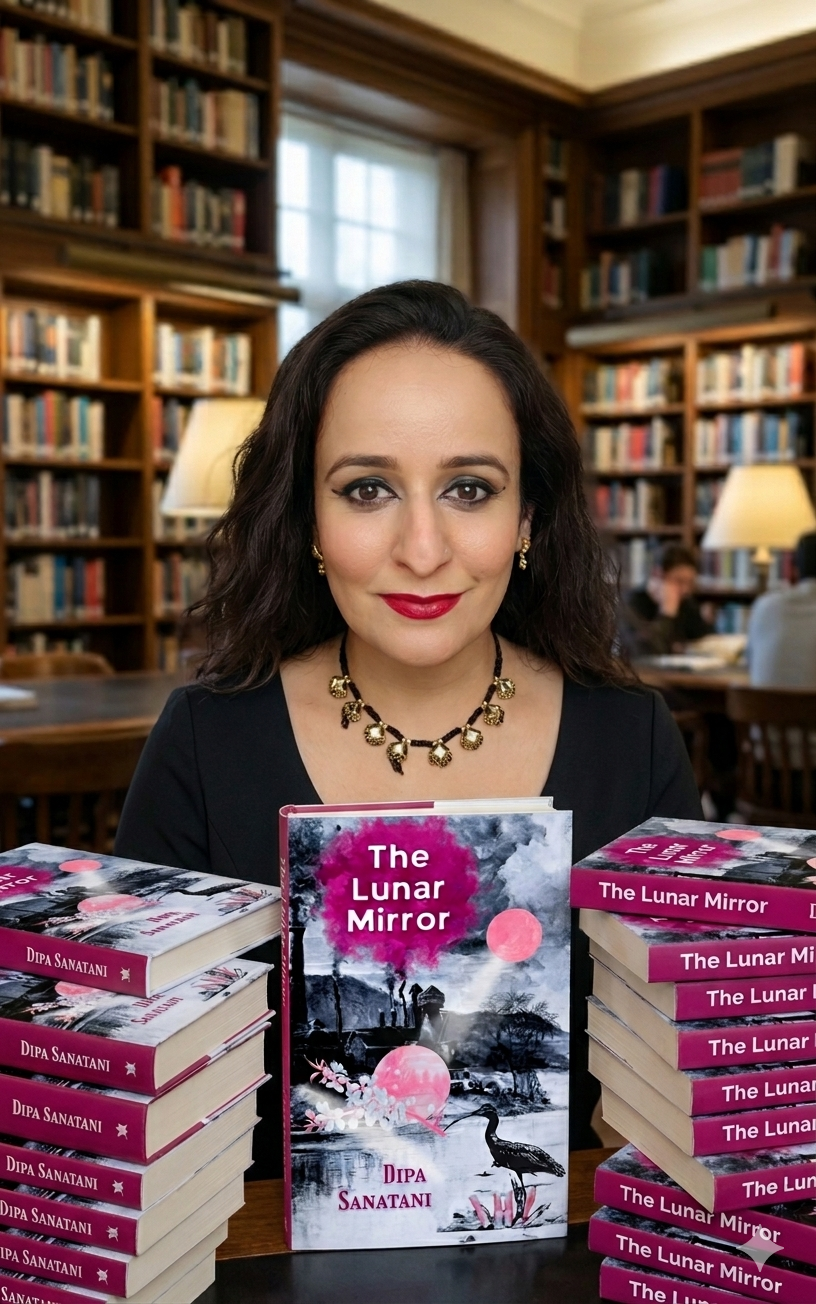
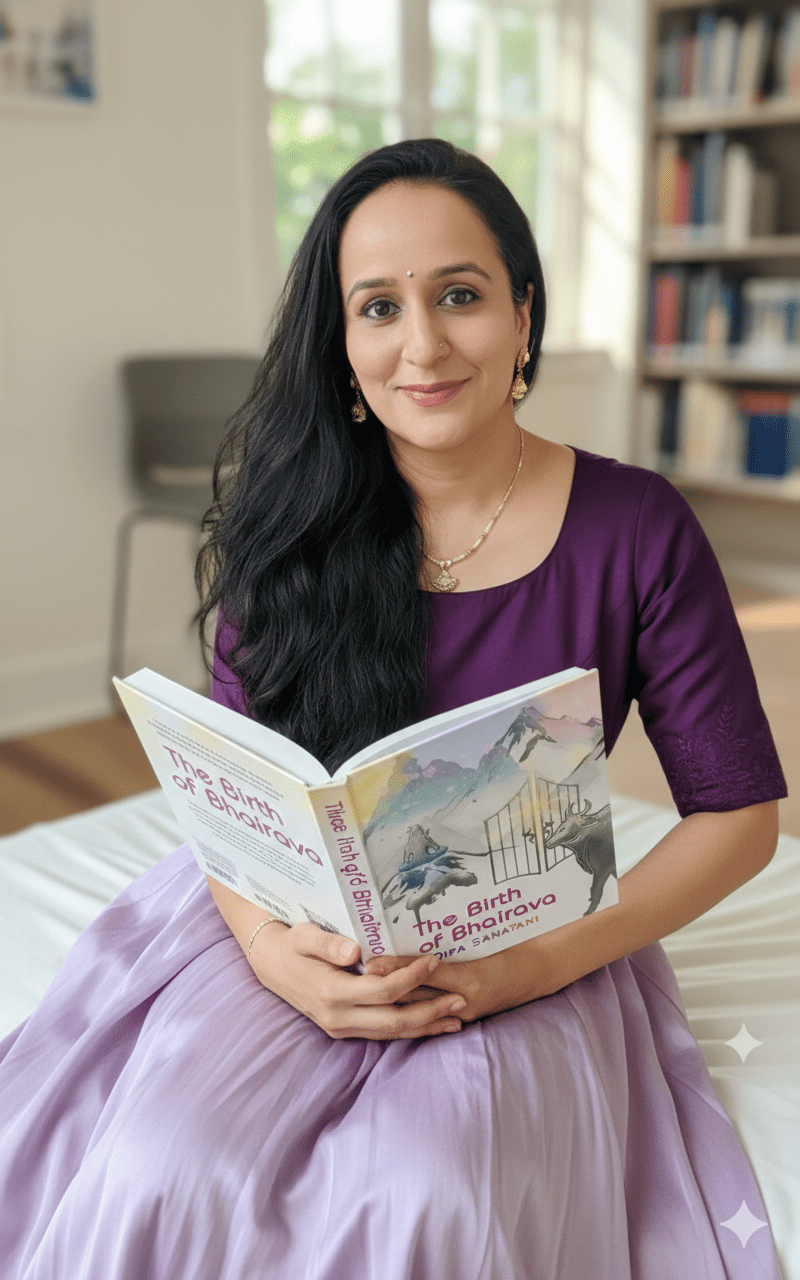
Not a single one of my books is a solitary experiment. They all hold the dense traces of this journey: sources converging, meanings clashing, selfhood moulded in the crucible of intergenerational global transmission. In this chain, I am never an owner, but simply a conduit. The task is not to resolve, but to become, with each act of reading and writing, a little less certain and a little more alive.

 Twinn Swan
Leave a comment