
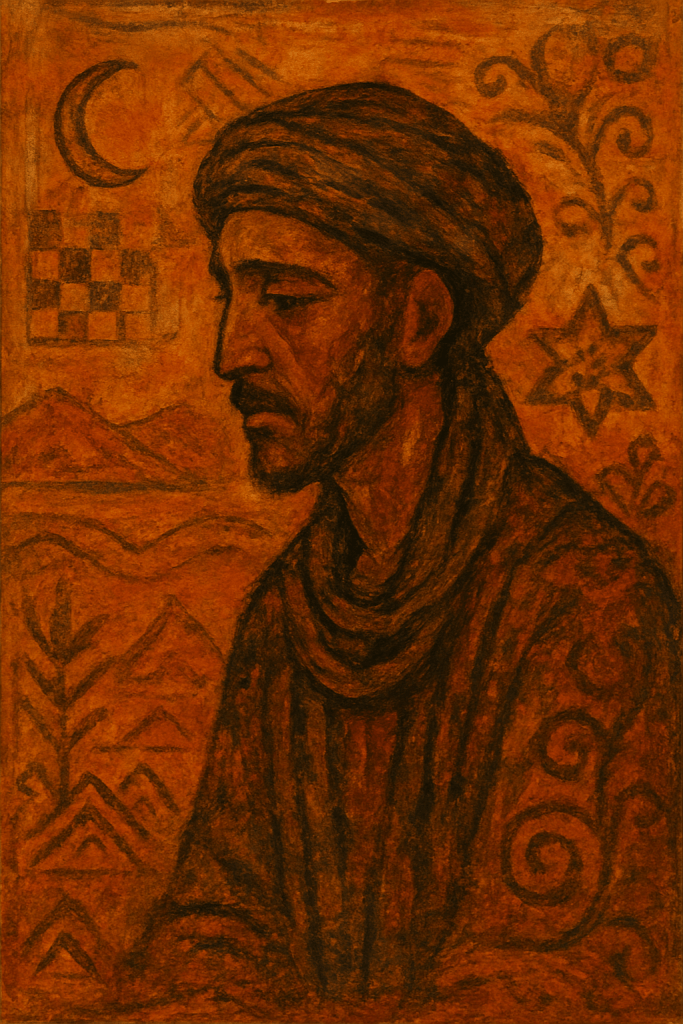
Listening to “Ana Oualach” is like sliding into the shadowy corridors of a soul torn between past and present, home and exile. Cheb Mami does not merely sing; he confesses the intimate ache of those whose roots have been severed or sadly stretched beyond their native soil. The song captures the fragile tension that defines the diasporic experience—the loneliness not only as physical isolation, but as a profound psychological rupture that shatters one’s sense of belonging.
What sets this song apart, and why it moved me so deeply, is the raw emotion that permeates every lyric and note. As I listened, I felt a profound connection to the pain, longing and enduring hope that radiated from Cheb Mami’s voice. The emotional directness of “Ana Oualach” dissolves the distance between artist and listener, drawing me into the landscape of Ghorba: exile and loss made immediate and personal.

The words strike with quiet urgency—a personal lament that doubles as a collective elegy for the countless displaced voices. The deep pang of loneliness expressed becomes an existential question, an anguished call into the void that I found painfully relatable. The song evokes the bitter paradox faced by migrants: with every step away from home, there is a weighted loss that cannot fully be reclaimed. Experiencing this song left me reflecting on my own feelings of distance, belonging, and longing for home in its deepest sense.
Cheb Mami’s vocal delivery embodies this emotional duality. His voice is at times plaintive, hovering tenderly in the spaces of sorrow and yearning; at others, it gains a steely resolve—an insistence to endure despite abandonment and grief. This duality spoke to me in a way few songs have, revealing the heart of raï itself, a genre born from rebellion yet steeped in poetry, from pain yet charged with resilience.
Musically, the lush orchestration of “Ana Oualach” is more than adornment; it is an extension of the song’s narrative. The strings and choral echoes felt like ancient memories rising from my own subconscious, enveloping me in a soundscape that was both expansively cinematic and intimately personal.
The modern beats lingered beneath, a subtle pulse reminding me that the story of diaspora—and personal transformation—is ongoing and ever-evolving. The spiritual dimension woven into the lyrics adds a sense of searching for meaning and hope. As someone who has wrestled with uncertainty regarding the terrain of one’s future, the evocation of faith as a fragile lifeline resonated with my own journey—a delicate longing for comfort during turbulent times.
“Ana Oualach” held up a mirror to my own experiences of absence and longing. It reminded me that music is a universal language for the aching landscape of the heart, able to articulate what words alone cannot. For anyone who has ever grappled with the fracturing of home and self, this song is an experience to be profoundly felt.



 Twinn Swan
Leave a comment