
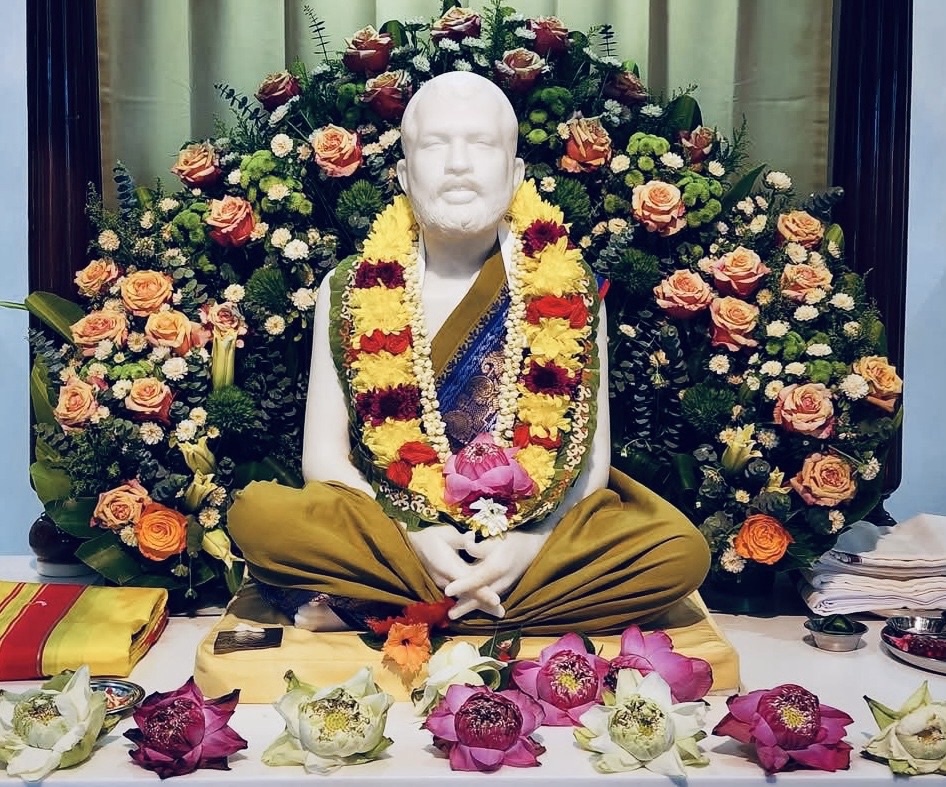
Sri Ramakrishna Paramahamsa, one of the most revered spiritual teachers of 19th-century India, repeatedly emphasised the renunciation of Kama-Kanchana—translated as “lust and gold”—as the cornerstone of spiritual progress. His teachings on this subject remain profoundly influential for seekers striving to overcome worldly attachments and realise God.
Lust and Gold
Sri Ramakrishna used the terms “lust” and “gold” to metaphorically represent the two primary obstacles in spiritual life. “Lust” symbolises uncontrolled desires and attachment to sensual pleasures. Ramakrishna taught that lust blinds individuals, preventing them from perceiving divine love, which is pure and selfless. He advised seekers to view others with reverence, seeing all women as mothers to avoid impure thoughts.
“Gold” represents greed, materialism, and attachment to wealth. Ramakrishna warned that an obsession with wealth leads to pride, anxiety, and restlessness, ultimately enslaving the mind and diverting it from God. Together, these attachments create maya (illusion), binding individuals to the cycle of birth and death and hindering spiritual realisation.

Overcoming Obstacles
Sri Ramakrishna offered practical guidance for overcoming these attachments. He taught that true renunciation begins in the mind. One must first relinquish internal attachment to lust and greed before attempting external renunciation. Through disciplined practice, such as meditation, prayer, and repeating God’s name, one can gradually subdue desires.
Ramakrishna often compared this process to a tortoise withdrawing its limbs—a state of self-control that becomes unshakable. He encouraged seekers to discern between the real (God) and the unreal (worldly objects). By recognising the impermanence of material possessions and bodily pleasures, one can cultivate dispassion.
Associating with spiritually minded individuals helps purify the mind and reinforces detachment from worldly temptations. Ramakrishna recommended periods of solitude for deep contemplation on God, as worldly distractions make it difficult for beginners to focus on spiritual goals.
The Spiritual Analogy
Ramakrishna used vivid analogies to illustrate his teachings. He likened a mind soiled by lust and greed to a needle covered in mud that cannot be attracted by a magnet; similarly, such a mind cannot connect with God until purified through repentance and devotion. He also compared the inconsistent focus of those entangled in “lust and gold” to a housefly alternating between sweet food (spiritual pursuits) and filth (worldly attachments).
His teachings were not about gender, but about transcending sensuality and materialism for spiritual growth. He held women in high regard, encouraging devotees to see divinity in all beings.
The Goal: God-Realisation
For Sri Ramakrishna, renouncing lust and greed was not an end in itself but a means to attain God-realisation—the ultimate purpose of human life. He assured seekers that once these obstacles are removed, the mind naturally gravitates toward God, leading to supreme bliss.
Sri Ramakrishna’s teachings on “lust and gold” emphasise self-purification, detachment from worldly allurements, and unwavering devotion to God. These principles continue to inspire spiritual aspirants worldwide in their quest for liberation.




 Twinn Swan
Leave a comment