
“Vaishnav Jan To” stands as a testament to India’s rich cultural and spiritual heritage, its significance deeply woven into the fabric of the nation’s history. This 15th-century Gujarati bhajan, composed by the revered poet-philosopher Narsinh Mehta, transcends its origins to become a powerful symbol of moral and spiritual ideals that have shaped Indian thought for centuries.

Mehta, often hailed as Gujarat’s “Adi Kavi” or pioneering poet, crafted this hymn not merely as a devotional song, but as a profound exploration of human virtue. The bhajan eloquently describes the qualities of a true Vaishnav, a devotee of Vishnu, emphasising empathy, selflessness, and purity of thought and action. Its verses speak of understanding others’ pain, helping those in need without pride, and maintaining integrity in all aspects of life.
These principles embody the concept of jiva-daya, a form of ahimsa non-violence that connects empathy and compassion with devotion to the divine. The bhajan’s journey from a regional devotional song to a national emblem of moral strength is intrinsically tied to Mahatma Gandhi.
Gandhi adopted “Vaishnav Jan To” as his spiritual lodestar, making it an integral part of his daily prayer meetings and philosophical teachings. For Gandhi, the hymn was more than words set to music; it was a living guide that reflected the values he cherished and practiced. The bhajan’s emphasis on empathy and selfless service aligned perfectly with Gandhi’s principles of Satyagraha non-violent resistance and Sarvodaya welfare of all, becoming a cornerstone of his approach to India’s freedom struggle.
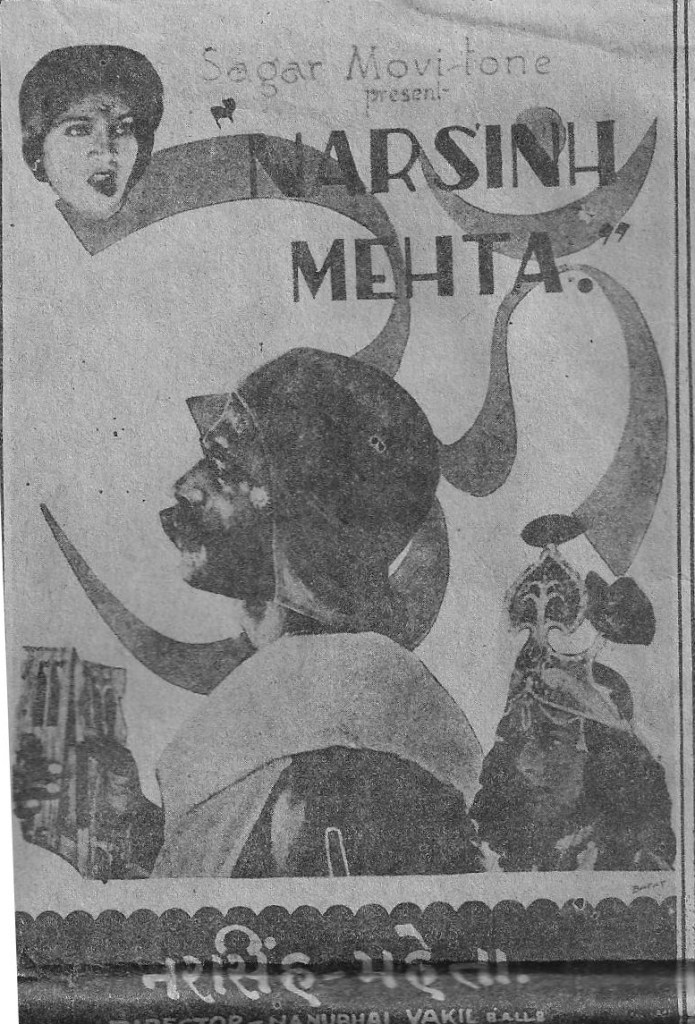
During India’s fight for independence, “Vaishnav Jan To” emerged as a powerful unifying force. Its message of moral integrity and service to humanity resonated deeply with the freedom fighters, reinforcing the idea that personal virtue and public service were inseparable. The hymn’s regular rendition at gatherings and prayer meetings served to inspire and guide the movement, infusing the struggle for political freedom with a profound spiritual dimension.
The relevance of “Vaishnav Jan To” extends far beyond its historical context. In contemporary India and around the world, the bhajan continues to inspire and guide. Its universal message of compassion and ethical living transcends religious and cultural boundaries, speaking to the shared human aspiration for a more just and empathetic world. This enduring appeal was beautifully demonstrated on Gandhi’s 150th birth anniversary in 2019, when artists from over 124 countries came together to perform the hymn, a testament to its global resonance and Gandhi’s lasting legacy.
Today, as India and the world grapple with complex social and political challenges, the timeless wisdom of “Vaishnav Jan To” offers a beacon of hope and guidance. Its call for empathy, integrity, and selfless service remains as relevant as ever, reminding us of the enduring power of compassion and moral courage in shaping a better world.




 Twinn Swan
Leave a comment