
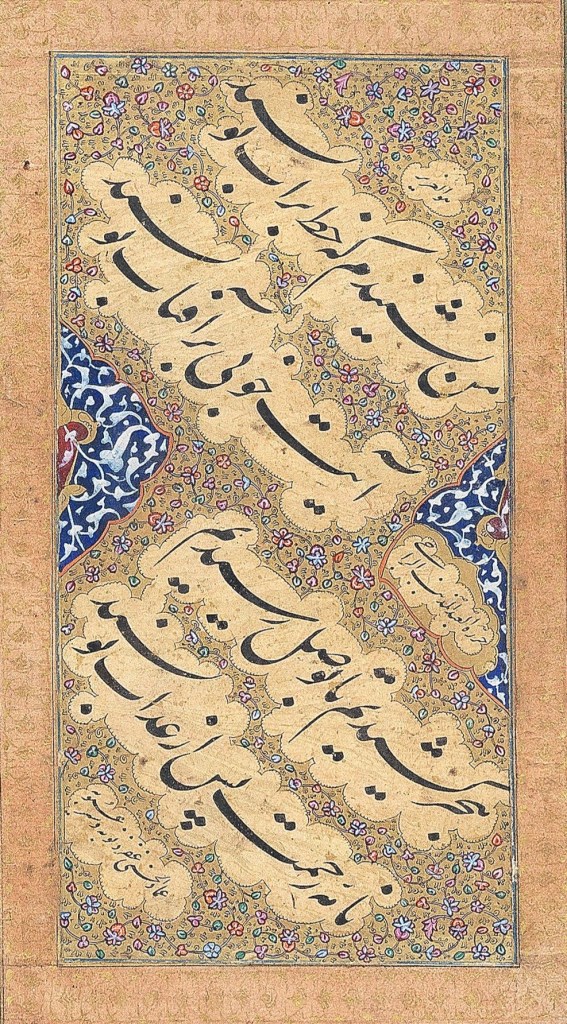
The Ghazal, a captivating form of poetry and music, has been enchanting audiences in South Asia for centuries. Originating in Arabia, this art form spread to the Indian subcontinent during the 12th century, flourishing in the courts of various sultanates. The enduring appeal of ghazal music in South Asia stems from its multifaceted purpose, acting as a vessel for emotional expression, cultural preservation, philosophical contemplation, social commentary and artistic refinement.
The ghazal’s continued popularity is in its profound ability to convey complex emotions, particularly love, longing, and loss. The genre’s capacity to tap into universal human experiences has made it a timeless and cherished art form, resonating with listeners across generations.
Beyond emotional expression, ghazals also serve as a platform for philosophical reflections and spiritual insights, providing a medium for contemplating deeper aspects of human existence and the nature of reality. This contemplative aspect adds another layer of depth to the genre, appealing to those seeking profound meaning in music.

Ghazals are deeply rooted in the cultural traditions of South Asian countries, especially India and Pakistan, becoming an integral part of their musical heritage. Passed down through generations in several musical gharanas, ghazals preserve cultural knowledge and artistic techniques, ensuring their continued relevance and appreciation.
Traditionally, ghazals were not performed for mass appeal but for a knowledgeable audience that valued musical refinement and taste. The complex interplay of poetry, melody, and rhythm in ghazals showcases the highest levels of artistic skill, catering to a discerning audience that appreciates artistic excellence. The ghazal also works as an educational tool, where people look back at these pieces to appreciate and understand writers and their periods and seek inspiration from the work.
The ghazal’s journey across different regions has led to its adaptation in various languages and cultures, making it a truly global art form. This cross-cultural exchange facilitates mutual understanding among diverse communities, further enriching the genre’s appeal.
Over time, ghazals have adapted to reflect changing social and cultural landscapes, incorporating modern themes and perspectives while retaining their core poetic structure. This adaptability allows the genre to remain relevant and resonant with contemporary audiences, ensuring its continued popularity.
The enduring popularity of ghazals in South Asia is a testament to their artistic depth, emotional resonance, and cultural significance. As the genre continues to evolve and adapt, it remains a cherished part of the region’s rich musical heritage, serving multiple purposes from entertainment to spiritual contemplation. Its multifaceted nature ensures that ghazal will continue to captivate and inspire audiences for generations to come.


 Twinn Swan
Leave a comment