
The concept of gharanas is one of the most defining features of Hindustani classical music, representing a lineage-based system of musical traditions that have evolved over centuries. A gharana is not merely a school of music but a repository of stylistic identity, philosophy and pedagogy that distinguishes one tradition from another.
These traditions are central to the survival and evolution of Hindustani classical music, ensuring that its rich heritage is passed down through generations while allowing room for innovation. To truly appreciate the role of gharanas in Indian classical music, it is essential to delve into their historical origins, structural dynamics, cultural significance, and their place in contemporary times.
Rooted in the Sanskrit word ghar (meaning “house”), gharanas are essentially musical “families” that preserve and propagate unique approaches to performance, improvisation and interpretation.

Historical Origins and Evolution
The emergence of gharanas can be traced back to the Mughal era (16th–19th centuries), a period when Hindustani classical music flourished under royal patronage. Musicians were often attached to the courts of emperors or regional rulers, where they developed distinct styles tailored to the tastes of their patrons. However, as the Mughal Empire declined and princely states fragmented, musicians dispersed across different regions of India. This geographical scattering led to the rise of regional stylistic schools, which eventually formalised into gharanas.
Each gharana was typically founded by a master musician or ustad who introduced innovative techniques or interpretations that set their style apart from others. These innovations were codified over time and passed down orally through the guru-shishya parampara (teacher-student tradition). The oral transmission ensured not just technical mastery but also a deep internalisation of the artistic philosophy behind each gharana’s approach to ragas (melodic frameworks) and talas (rhythmic cycles).
Philosophy and Structure
At its core, a gharana represents a philosophical approach to music-making. While all gharanas operate within the broader framework of Hindustani classical music, they differ in how they interpret ragas, handle rhythm, use ornamentation (alankars), and approach improvisation (taan, sargam, etc.). These differences are not superficial but reflect deeply ingrained artistic values that have been refined over generations.
The structure of a gharana is inherently hierarchical and lineage-based. The founder or originator is often revered as a visionary who laid down the foundational principles. Successive generations—whether biological descendants or disciples—are tasked with preserving these principles while contributing their own innovations. This balance between fidelity to tradition and creative freedom is what keeps gharanas alive and dynamic.
Gharanas are also distinguished by their emphasis on specific forms or instruments. For example, some gharanas specialise in vocal styles like khayal, dhrupad, or thumri, while others focus on instrumental traditions such as sitar, sarod, or tabla. This specialisation further enriches the diversity within Hindustani classical music.
Cultural Significance
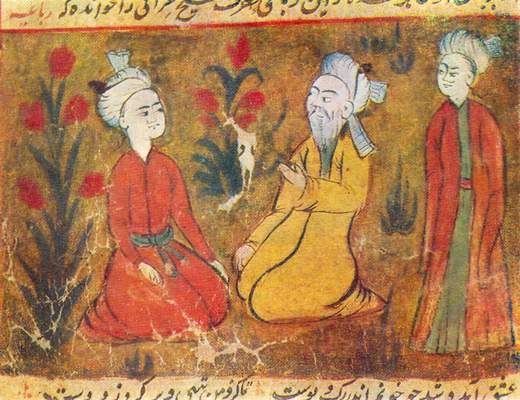
Gharanas are not just musical entities but cultural institutions that reflect the socio-political and regional identities of India. Each gharana bears the imprint of its geographic origins, linguistic milieu, and historical context. For instance, the Kirana Gharana’s emphasis on melody (swara) over rhythm (laya) reflects its roots in Karnataka’s Carnatic tradition, while the Patiala Gharana’s flamboyant style incorporates elements from Punjab’s folk music.
Moreover, gharanas have historically served as centers for artistic excellence and intellectual exchange. They have been instrumental in preserving rare ragas, developing new compositions (bandishes), and refining performance techniques. In this sense, gharanas act as custodians of India’s intangible cultural heritage.
However, gharanas are not static entities; they evolve with time. As disciples travel across regions or interact with other traditions, they often incorporate new influences into their practice. This cross-pollination ensures that gharanas remain relevant in changing cultural landscapes while maintaining their core identity.
Transmission Through Guru-Shishya Parampara
One of the most remarkable aspects of gharanas is their reliance on oral transmission through the guru-shishya parampara. Unlike Western classical music, which relies heavily on written notation, Hindustani classical music emphasises experiential learning under a guru’s guidance. This method allows for a deeper understanding of not just technical aspects but also the emotional and spiritual dimensions of music.
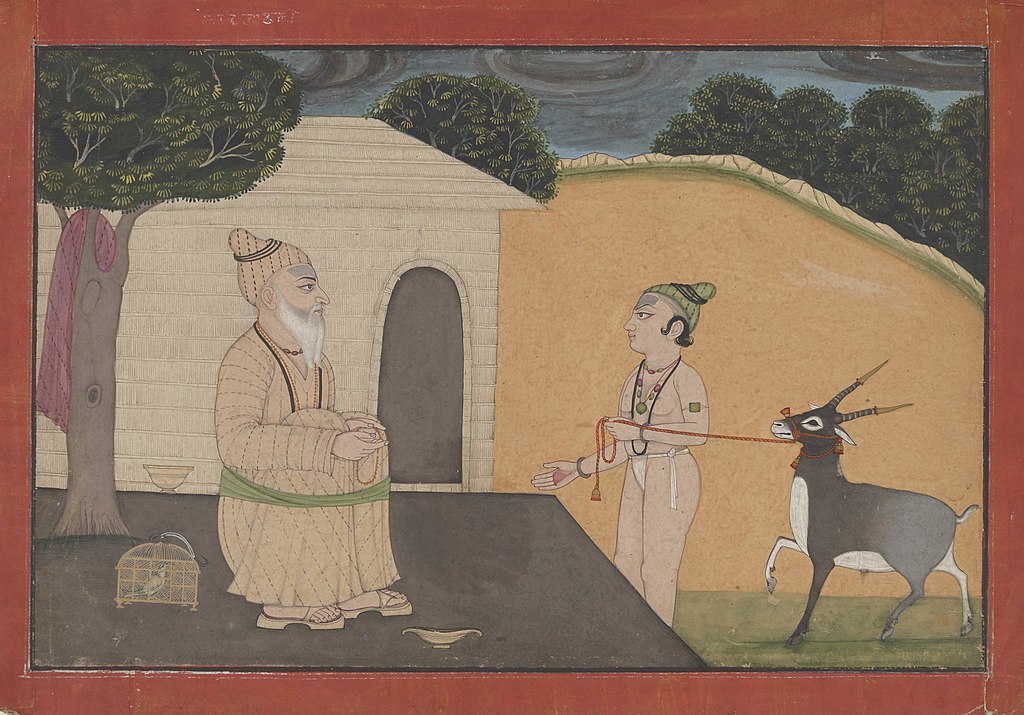
In a traditional setting, disciples would live with their guru for years, absorbing not only musical knowledge but also life lessons and values. This immersive training ensured that students internalised the ethos of their gharana while developing their own artistic voice. However, this system has faced challenges in modern times due to changing lifestyles and educational structures.
Challenges in Contemporary Times
While gharanas have played an indispensable role in shaping Hindustani classical music, they face significant challenges in today’s world. One major issue is the decline of traditional patronage systems that once supported musicians financially and socially. With the advent of modern concert culture and digital platforms, musicians are increasingly catering to diverse audiences who may not be familiar with the nuances of gharana traditions.
Another challenge is the dilution of stylistic boundaries between gharanas. In today’s globalised world, musicians often draw inspiration from multiple traditions rather than adhering strictly to one lineage. While this fusion can lead to creative innovation, it also risks eroding the distinctiveness that defines each gharana.
Additionally, the decline of the guru-shishya parampara poses a threat to the continuity of gharana traditions. Modern lifestyles often do not allow for the kind of immersive training that was once central to this system. As a result, there is a growing need for alternative methods—such as institutionalised training programs—to ensure that these traditions survive.
Relevance in Modern Times
Despite these challenges, gharanas continue to hold immense relevance in contemporary times. They serve as reservoirs of knowledge that connect present-day musicians to centuries-old traditions while inspiring them to innovate within established frameworks. Many renowned artists today identify with specific gharanas even as they experiment with new forms and styles.
Moreover, gharanas provide audiences with a way to appreciate diversity within Hindustani classical music. By understanding the unique characteristics of different gharanas, listeners can develop a deeper appreciation for the art form’s richness and complexity. In recent years, efforts have been made to document and archive gharana traditions through recordings, books, and academic research. These initiatives aim to preserve this invaluable heritage for future generations while making it accessible to wider audiences.
Gharanas are much more than musical schools—they are living traditions that embody centuries of artistic excellence and cultural heritage. They represent a delicate balance between continuity and change: while rooted in history, they remain dynamic entities capable of adapting to new contexts.
As custodians of Hindustani classical music’s legacy, gharanas ensure that this profound art form continues to thrive in an ever-changing world. By understanding their significance—both as historical institutions and as contemporary forces—we can gain insight into not just Indian classical music but also India’s broader cultural identity. In celebrating gharanas, we celebrate the timeless spirit of creativity that lies at the heart of all great art forms.



 Twinn Swan
Leave a comment