
The moth, particularly the luna moth, is a profound symbol of metamorphosis. This transformation is not merely physical but also deeply spiritual, reflecting the inner changes that individuals must undergo throughout their lives. Moths carry rich spiritual symbolism across various cultures, often representing transformation, ancestral guidance and the connection to the spirit world.
Moths are strongly connected with the afterlife. They are an omen of death and decay, a stark contrast with butterflies which are usually associated with worldly beauty. When a moth enters a home, it may be a symbol of a death which will take place within a family. In Christianity, moths are mentioned in the Bible as symbols of decay and impermanence. They represent the idea that earthly treasures can be corrupted while emphasising the importance of our spiritual investments. Moths come to remind us to prioritise our spiritual matters over our material matters as our bodies will perish, but we will take our karmas with us to the afterlife.
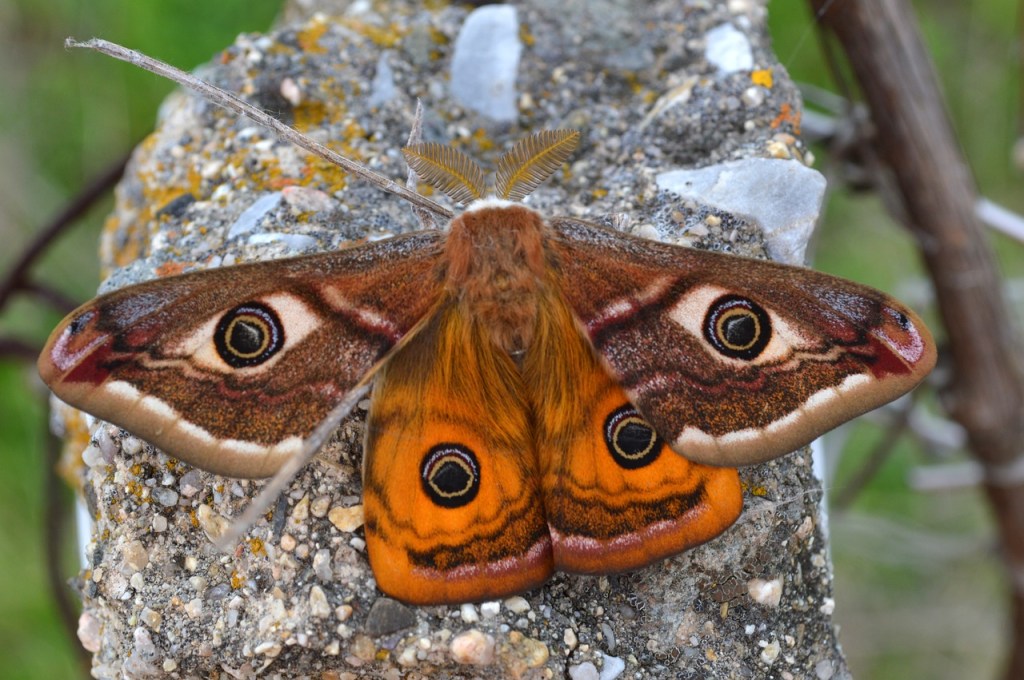
The colour and species of the moth is also significant for a specific interpretation. Brown moths, for instance, can symbolise interpersonal issues, particularly as they relate to the women in one’s life. They remind us to remain simple in our outlook and not unnecessarily complicate things for ourselves. A black moth, on the other hand, is associated with a need to reclaim one’s personal power. They remind us that we should conceal what we are better off not revealing openly.

Metamorphosis
The life cycle of the brown moth can be seen as a metaphor for navigating interpersonal dynamics, especially those involving maternal figures or close female relationships.
- Caterpillar Stage: This initial phase represents the gathering of experiences and emotions related to interpersonal relationships. Just as a caterpillar feeds on leaves, individuals absorb lessons from their interactions with others, particularly from maternal influences. This stage is crucial for developing emotional resilience and understanding one’s place within familial or social structures.
- Chrysalis Stage: The chrysalis is a powerful symbol of introspection and transformation. During this phase, the caterpillar undergoes profound changes, hidden from the outside world. Similarly, individuals may go through a period of self-reflection and emotional processing regarding their relationships. This stage can be challenging, as it often involves confronting unresolved issues or complexities related to maternal figures—be it nurturing, support, or even conflict.
- Adult Moth Stage: Emerging as an adult moth signifies the culmination of personal growth and transformation. This phase embodies newfound wisdom and clarity regarding interpersonal relationships. The brown moth’s emergence can symbolise the ability to navigate life’s complexities with simplicity and grace. It reflects a readiness to engage with others more authentically, having integrated past experiences into a more mature understanding of oneself and one’s soul purpose in the world.
The Matriarch
The brown moth embodies the essence of a matriarchal figure who is able to nurture her children with strength and wisdom. The solution is not what you think it is and once you are able to see it from an elevated perspective, you will realise that not all is as it seems. It is the person who looks at the caterpillar and does not, at all, see the moth that the caterpillar will one day be. If we have had mother figures who have overlooked us and our abilities, you must remember to have faith in your own God-bestowed destiny. If your own mother figure has been ineffective, you can always turn to a feminine deity to guide you and keep you safe as you become the moth (the matriarch) which you are destined to be.
As individuals undergo their own metamorphoses, they may find themselves reassessing their values and priorities regarding money and resources. The transition from one stage of life to another often brings about necessary changes in financial habits or perspectives on material wealth. Ultimately, the brown moth teaches us that transformation can be both profound and unassuming, guiding us toward deeper understanding and connection with ourselves and others.
The metamorphosis of brown moths serves as a poignant reminder of the transformative power inherent in interpersonal relationships and personal growth. By reflecting on their natural life cycle, individuals can gain insights into their own journeys—embracing simplicity while navigating complex emotions tied to maternal figures and financial concerns.
The Process
Brown moths are remarkable for their ability to adapt to various environments. This adaptability can serve as a metaphor for how individuals can navigate life’s complexities with grace. In a world that often prioritises complexity and consumerism, the brown moth encourages us to find strength in flexibility. This means being open to change and willing to adjust our lifestyles and financial strategies based on our current circumstances.
The brown moth’s understated presence highlights the importance of finding value in the ordinary aspects of life. Rather than seeking fulfilment through extravagant purchases or experiences, individuals can learn to appreciate the simple pleasures that surround them—like time spent with loved ones, nature walks or community involvement. This shift in perspective can lead to greater satisfaction and a sense of abundance without the need for excessive material wealth.
By exploring the symbolism of brown moths through these fresh lenses—adaptability, appreciation for the ordinary, financial minimalism and embracing vulnerability—we uncover deeper insights into how simplicity can enrich our lives. This approach encourages individuals to redefine success and fulfilment on their own terms, leading to a more meaningful existence.



 Twinn Swan
Leave a comment