
Anubis and Kala Bhairava are two powerful deities from distinct cultures, embodying the themes of death, protection, and the afterlife. This article explores their origins, roles, and significance within their respective mythologies.

Anubis: The Egyptian God of the Afterlife
Anubis, known as Anpu in ancient Egyptian mythology, is primarily recognised as the jackal-headed god associated with mummification and the afterlife. He is believed to be the son of Osiris and Nephthys, although some myths suggest he is the son of Isis. His role emerged during a time when jackals were often seen scavenging around cemeteries, leading to his association with death and burial practices.
Anubis presided over the embalming process, ensuring that the deceased were properly prepared for their journey into the afterlife. He is famously depicted overseeing the Weighing of the Heart, a critical ceremony where the heart of the deceased was weighed against Ma’at’s feather of truth. If the heart was found wanting, it would be devoured by Ammit, a fearsome creature representing annihilation
His black coloration symbolises fertility and rebirth, reflecting the rich soil of the Nile River. Anubis is often depicted with a human body and a jackal’s head or entirely as a jackal, emphasising his protective nature over graves and tombs.
Anubis was widely worshiped across ancient Egypt, with temples dedicated to him near necropolises. His image adorned tombs and coffins, serving as a guardian for souls transitioning to the afterlife. Even in modern times, Anubis remains a prominent figure in art and literature, symbolising death’s protective aspects rather than fear.

Kala Bhairava: The Hindu God of Time and Death
Kala Bhairava is a fierce manifestation of Lord Shiva in Hindu mythology. His name translates to “the terrifying one” or “the lord of time,” embodying aspects of destruction and transformation. According to legend, he was created to protect the sacred space during a ritual performed by Lord Shiva.
Kala Bhairava is often depicted holding a dog (his vehicle) and various weapons symbolising his power over time and death. He represents the concept that time is cyclical—leading to creation, preservation, destruction, and rebirth. As a guardian of temples and sacred spaces, he ensures that rituals are conducted properly and protects devotees from negative influences. Devotees believe that Kala Bhairava can help them overcome fears associated with death while also providing protection during their life journey.
Kala Bhairava is revered in various forms across India, particularly in South Indian temples where he is often worshiped alongside other deities. His fierce nature contrasts with Anubis’s protective demeanor; however, both serve as guardians during transitions between life and death.
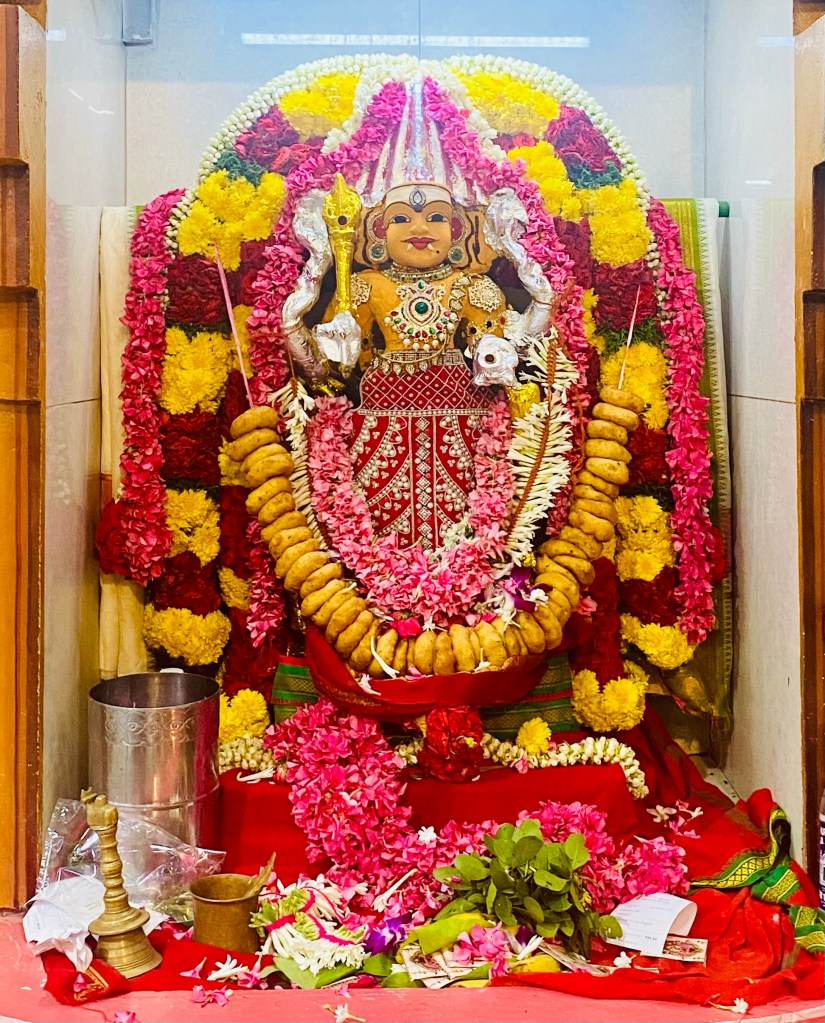
Both Anubis and Kala Bhairava serve as vital figures within their respective mythologies, embodying themes of death, protection, and the journey to the afterlife. While Anubis guides souls through ancient Egyptian beliefs about resurrection and judgment, Kala Bhairava emphasises the cyclical nature of existence in Hindu thought. Their stories reflect deep cultural understandings of mortality and reverence for those who have passed on, highlighting humanity’s enduring quest for meaning beyond death.
A Multicultural and Interfaith Perspective

For readers seeking a novel that bridges cultures and faiths in its exploration of justice, my novel The Prophetess of Dharma offers an interfaith and multicultural perspective on this enduring human ideal. Through the journey of a divinely chosen Prophetess who traverses eras and civilisations, I weave together myths, philosophies, and spiritual traditions from across the world. By tracing justice’s evolution from collective punishment to compassion and restorative practices, the book illuminates the ways in which different cultures grapple with fairness, morality, and the consequences of human action and inaction.
At its heart, The Prophetess of Dharma celebrates the interconnectedness of humanity while honouring the unique contributions of each tradition. My narrative underscores that justice is not a fixed or monolithic concept, but a living principle shaped by societal change, philosophical debate, and spiritual insight. Available at major online bookstores and at Singapore’s National Library Board (NLB) libraries, this novel invites readers to reflect on both the shared values and the vibrant diversity that define our collective quest for justice.




 Twinn Swan

Leave a comment