
Veiling has been a longstanding tradition in many cultures, with its origins traceable to civilisations as ancient as Mesopotamia. In these societies, covering the hair was often associated with respectability and social status. Today, however, discussions around modesty and veiling are often contentious.
Many women who choose to wear headscarves do so as an assertion of identity or personal belief rather than merely adhering to societal expectations. In contrast, some advocate for the right to choose not to veil as part of their liberation from patriarchal norms. This tension reflects broader societal debates about women’s rights, autonomy and cultural identity.
The act of veiling can symbolise both oppression and empowerment depending on individual perspectives and contexts. As such, the practice continues to evolve alongside changing social dynamics. In contemporary contexts where veiling is a choice rather than an obligation, many women find empowerment through the act itself. They may view it as an assertion of autonomy over their bodies and identities in societies that often impose different and difficult standards on women’s appearance. The decision to veil can be deeply personal—reflecting individual beliefs about femininity, spirituality and self-expression.
The practice of veiling extends beyond religious and social frameworks, encompassing a variety of psychological, cultural and personal dimensions.

The Value of Modesty
Modesty transcends mere physical appearance; it encompasses a broader ethos regarding how individuals present themselves in society. For many women, modesty is associated with self-respect and the desire to be valued for more than their physical attributes. This perspective emphasises that modesty is not solely about restriction but can also be about empowerment—choosing how one wants to be perceived and what aspects of oneself to highlight.
In cultures where modesty is highly valued, women may choose to veil as a way to embody these ideals. This choice can foster a sense of pride and belonging within cultural or religious communities that share similar values. It becomes an expression of identity that resonates deeply with personal beliefs about dignity and self-worth.
Chastity as a Deeper Value
Chastity often intersects with modesty but extends into broader discussions about sexuality, relationships and personal integrity. When viewed as a value rather than merely a restriction, chastity can represent an intentional approach to relationships that emphasises an emotional and spiritual connection over physical attraction. For some women, choosing to veil is linked to their understanding of chastity—serving as a visual commitment to uphold these principles in their lives.
This connection between veiling and chastity highlights how personal choices can reflect deeper moral or ethical frameworks. The act of covering oneself can symbolise a dedication to maintaining one’s integrity and honouring one’s values in interactions with others.
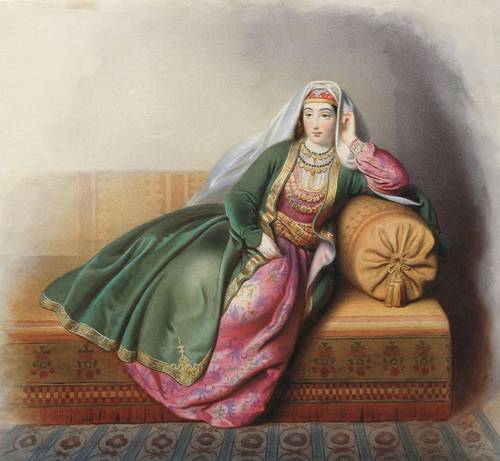
Freedom Within Constraints
While freedom is an essential aspect of choice, it does not exist in a vacuum. The context in which women make choices about veiling is often shaped by cultural narratives surrounding modesty and chastity. In this sense, freedom can coexist with constraints—women may feel empowered by their choices while also navigating societal expectations or familial pressures.
This dynamic complicates the notion of choice; it suggests that even within frameworks that promote freedom, individuals may still grapple with competing influences that shape their decisions. The choice to veil becomes a negotiation between personal beliefs and external factors that inform one’s understanding of modesty and chastity.
A Deeper Reflection on Values
Ultimately, the question shifts from whether one has the freedom to choose to what those choices signify about one’s values. When women choose to veil based on their beliefs about modesty and chastity, they are engaging in a dialogue about identity that transcends mere appearance. This choice reflects an understanding of themselves as individuals who navigate complex social landscapes while adhering to principles they hold dear.
In this light, veiling becomes more than just an act of covering; it transforms into a powerful statement about self-identity, cultural belonging and moral commitment. It invites deeper reflection on how individuals define themselves within larger societal frameworks and how those definitions inform their choices.
Conclusion
Viewing veiling through the lens of choice reveals a rich tapestry of motivations tied to personal autonomy, cultural identity, and deeper values such as modesty and chastity. It emphasises that choices are not made in isolation but are influenced by complex interactions between individual beliefs and societal norms. Ultimately, this perspective enriches our understanding of why veiling persists across cultures—not merely as an act of compliance or restriction but as a meaningful expression of identity rooted in deeply held values.



 Twinn Swan
Leave a comment