
Netflix’s Heeramandi has captivated audiences with its lush, decadent and opulent portrayal of pre-partition Lahore’s famed courtesan culture. The stunning visuals and captivating performances depict the dazzling lives of these women, leaving viewers to ponder the ethics of a system that was both empowering and exploitative.
The series does not necessarily challenge the stereotypical image of courtesans. The courtesan culture is known to be one of skilled artists who wielded the merits of music dance and wit to enthral their patrons. Professional courtesans of all eras have always maintained that they were not simply pawns, but rather, powerful players who exerted their agency through their talent and influence.

Nevertheless, Heeramandi does not shy away from the harsh realities of this profession. Despite the fact that the courtesans only served elite and wealthy men, many of them entered the profession due to poverty or were forced into it. Their dependence on prestigious patrons left them vulnerable to abuse and manipulation. Even the lush and opulent veneer of the series fails to hide the terrible legacy of exploitation which took place behind-the-scenes.
The later episodes of Heeramandi delve into the societal and political forces that led to the decline of courtesan culture. The British Raj’s ‘crackdown’ on this intergenerational tradition ends up being a veiled attempt to dismantle a longstanding local power structure under the guise of ethics.
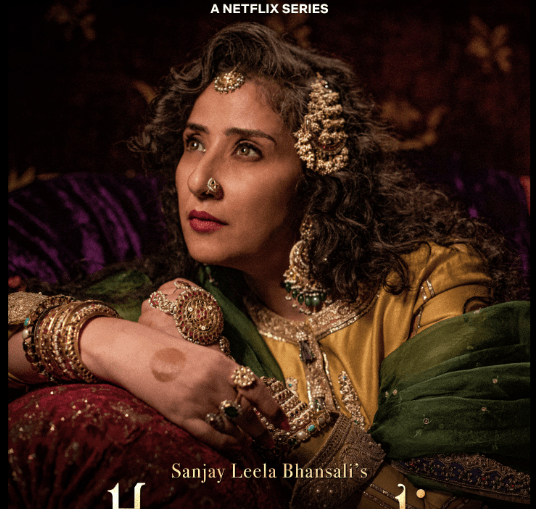
While it is clear that the women of the district wielded power beyond the long-run relationships they nurtured with powerful men, the series explores the concept of ‘a difficult heritage’. It acknowledges the artistic contributions of this culture while confronting the realities of coercion and power imbalances. It portrays the struggles of those forced into the profession or trapped by circumstance beyond their control.
The series explores the trauma of displacement these women faced when they chose to carve out a new and different destiny. Even though many courtesans were highly respected cultural icons and pillars of artistic traditions, they were also relegated to the margins of society. Heeramandi effectively portrays the psychological impact of the loss of status and the stigma which comes from this line of work.
Heeramandi compels us to draw parallels between colonial history and contemporary conversations about the entertainment industry. The series exposes many underlying societal anxieties around the commodification of female sexuality. Heeramandi transcends historical fiction and becomes a poignant commentary on the ongoing struggles for female agency and bodily autonomy.
Heeramandi proves that commercial cinema can go well beyond creating a visually stunning period drama. By delving into the psychology of the courtesans and their patrons, by giving voice to the trauma of displacement and acknowledging the colonial gaze; the series offers a springboard for rich discussions. It compels viewers to grapple with the complexities of a bygone era, the exploitation that existed and the artistic brilliance that shone through in the face of it all. This multifaceted exploration is what makes Heeramandi a truly thought-provoking piece of television.


 Twinn Swan
Leave a comment