
Before the discovery of vast petroleum reserves, many nations relied on agriculture and rudimentary industries. Life moved at a slower pace, with economies often tied to the whims of nature. Then came the rush of black gold, a rush that altered the economic landscape of several countries.
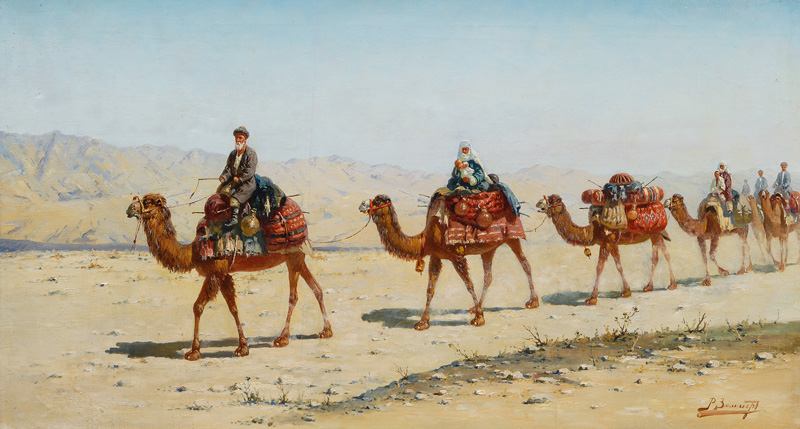
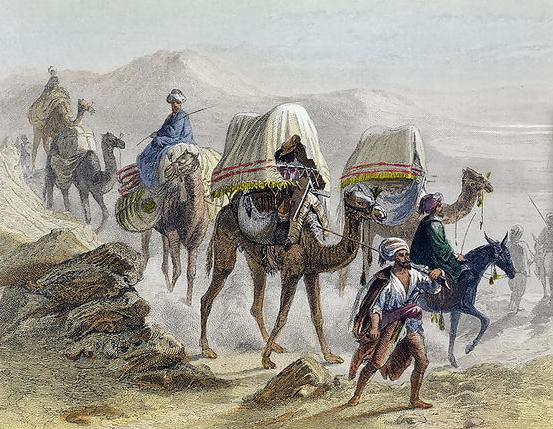
Prior to the 20th century, the Middle East presented a very different picture. While empires did exist, many countries were agrarian societies, with nomadic herding and traditional agriculture forming the backbone of the economy. Trade routes, often reliant on camel caravans, connected these scattered communities. Life moved at a slower pace, heavily influenced by the rhythms of nature and the limitations of pre-industrial technology.

The Desert
The harsh desert landscape dictated the pace and rhythm of life. Water was a precious commodity, carefully managed and shared. Oasis towns served as hubs for trade and social interaction, bustling with merchants hawking their wares and locals catching up on news carried by arriving caravans. Education was often informal, passed down through generations through storytelling and practical skills training. Religion played a central role in society with mosques serving as both spiritual centers and community gathering places.
Politically, the map of the Middle East was a patchwork of empires, kingdoms and tribal territories. Power often shifted with the desert winds, alliances forged and broken through diplomacy and sometimes bloody conflict. Life could be harsh, with nomadic herders facing the constant challenge of finding water and pasture for their animals, and agricultural communities living in fear of drought or raids.
However, this traditional way of life also fostered a deep sense of resilience and resourcefulness. People learned to adapt to the harsh environment and live in harmony with nature. Rich cultural traditions, expressed through music, poetry, and intricate handicrafts, flourished in this environment. The arrival of the 20th century, however, would bring a dramatic shift, forever altering the landscape of the Middle East. The discovery of vast petroleum reserves would usher in an era of wealth and rapid modernisation, with both incredible opportunities and unforeseen challenges.
Pre-Oil Middle East
The pre-oil Middle East wasn’t a monolithic entity. It was a vibrant tapestry woven from diverse cultures, political systems and economic activities. While some regions thrived on settled agriculture, others embraced a nomadic way of life, herding livestock across vast deserts. Bustling trade routes crisscrossed the landscape, connecting empires, kingdoms and city-states. Caravans laden with spices, textiles, and precious metals weaved their way through scorching deserts and fertile valleys.
In fertile pockets nurtured by rivers and underground springs, life revolved around agriculture. Date palms provided sustenance and sustenance, while intricate irrigation systems coaxed life from the parched earth. Trade was a vital part of oasis life, with bustling marketplaces where farmers, artisans, and merchants exchanged goods and news. Social cohesion ran deep, with communities bound by shared traditions, religious practices, and a deep respect for the delicate balance between humanity and nature.
For nomadic tribes, the desert wasn’t a hostile environment, but a demanding yet bountiful one. Their intimate understanding of weather patterns, grazing lands, and water sources allowed them to navigate the vast emptiness with remarkable resilience. Camels, perfectly adapted to the harsh conditions, served as transportation, pack animals and even a source of milk and meat. Tribal life fostered a strong sense of community, self-reliance and an oral tradition rich in storytelling and poetry.
Political power in the region shifted like desert sands. Powerful empires, like the Ottomans and Persians, held sway for centuries, while smaller kingdoms and tribal confederations carved out their own spheres of influence. Trade routes were often political battlegrounds, with empires vying for control of lucrative routes and the taxes they levied. Religion played a central role in these societies, with grand mosques serving as centres of worship, education and social interaction.
The late 19th and early 20th centuries saw a world on the cusp of transformation. Technological advancements like steamships and telegraphy revolutionised communication and trade. European powers cast an increasingly interested gaze on the region’s strategic location and potential resources. Little did anyone know, the discovery of vast oil reserves would irrevocably alter the economic, social, and political landscape of the Middle East, ushering in an era of both immense wealth and unforeseen challenges.


 Twinn Swan
Leave a comment