Agrarian, tribal, and patriarchal societies weave a powerful tapestry of community. Shared history and traditions forge a deep connection to their heritage, fostering a strong sense of belonging and identity. This close-knit nature acts as a social safety net, providing crucial support to the members of that community.
Traditional practices which have passed down through generations hold valuable knowledge that urban society is all too ready to dismiss as outdated. This wisdom encompasses sustainable agriculture, herbal medicine and living in harmony with the environment – wisdom that often proves essential for survival and adaptation in these challenging settings.
These communities offer its members a wellspring of resilience, a sense of belonging and practical knowledge: all vital in facing personal challenges, loss, and the ever-changing world around them. These societies often have rich artistic traditions encompassing music, dance, storytelling and crafts.

In the face of change, the decision to cling to cherished traditions or embrace letting go is a deeply personal one. Some stubbornly hold on, only to realise they missed the opportune moment for release. Others, in a misguided attempt at preservation, find themselves clinging to a sinking ship, destined to go under despite their valiant efforts. Yet, the need to belong transcends the tides of change. It’s a fundamental human desire, a constant yearning for connection that persists even as the world around us churns.
For tribal societies, the need to belong isn’t a warm blanket, it’s a primal instinct woven into the very fabric of survival. Kinship ties aren’t just emotional bonds, they’re a complex web of responsibility and shared risk. Land isn’t a quaint backdrop, it’s a living challenge, demanding cooperation and intricate knowledge for every tribe member to navigate.
This intense interdependence in tribal societies isn’t just about survival; it’s about forging an identity as intricate and vibrant as the land they inhabit. Every hunt, every harvest, every song sung around the fire becomes a thread woven into the tapestry of the tribe. Mistakes aren’t burdens – they’re brushstrokes on the collective canvas, a testament to the tribe’s ability to learn and adapt. Elders aren’t just repositories of knowledge; they are living bridges to the past, their presence a constant reminder that each member is a stitch in the ever-evolving story of the tribe.
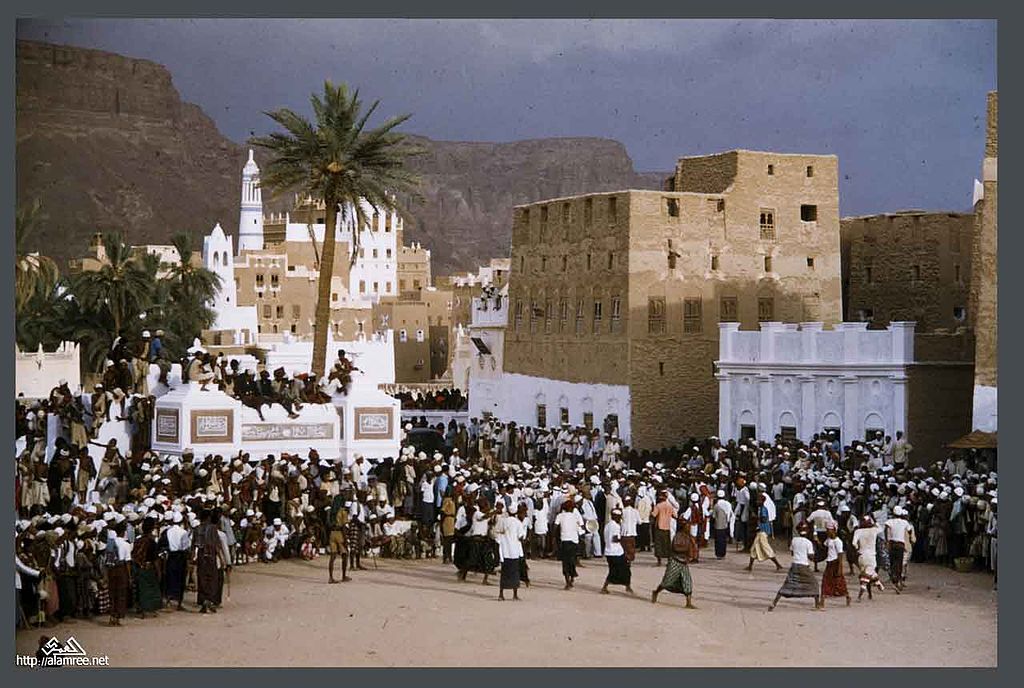
The Tribe
Tribal societies are believed to have emerged from earlier hunter-gatherer bands. These small, mobile groups formed social units based on kinship and shared resources for survival. As populations grew and environments changed, some bands might have transitioned to more complex social structures with defined leadership roles and larger communities.
Diverse geography–with mountains, valleys, and deserts–might have encouraged the formation of tribes adapted to their specific environments. Mountain tribes might have developed strong defence systems, while desert tribes might have focused on resource management and trade networks. Intergroup competition for resources and territorial disputes might have led to the development of more organised social structures. Tribes with strong leadership and a sense of collective identity may have been better positioned to defend themselves against rivals.
In tribal societies where lineage and inheritance pass through the male line, sons hold greater importance in carrying on the family name and traditions. This overarching emphasis on patrilineal descent directly contributes to the perception of daughters as less valuable. The ability to pass on property and status through sons strengthens the family’s social standing within the tribe. Without a son to carry on this legacy, some families fear a decline in their social status.
Traditional masculinity in some tribes may dictate suppressing emotions and focusing solely on strength and stoicism. This can restrict sons from expressing vulnerability or seeking help when dealing with the immense pressure placed upon them. For daughters, knowing that their future is often predetermined through marriage arrangements can create a sense of powerlessness and disconnect them from their own desires. In some cultures, marrying a daughter off can bring economic benefits like dowry or bride price. This, however, can reinforce the idea that a daughter’s value lies in the exchange rather than her own potential.
In cultures that revere ancestors, sons may be seen as the link to the past, ensuring proper respect and offerings are made to deceased family members. Some religions may have interpretations that reinforce male dominance and the importance of sons in carrying out religious rituals or upholding traditions. Deeply ingrained gender roles may portray women primarily as caregivers and homemakers, while men are seen as leaders, warriors or providers. This reinforces the perceived value of sons fulfilling specific roles.
National governments may introduce policies promoting gender equality, education for girls, and legal protections against discriminatory practices. These policies can gradually weaken the hold of traditional systems. Exposure to new ideas and media can lead to a reevaluation of traditional norms. Younger generations may be more open to gender equality and value daughters’ contributions beyond carrying on the lineage.
Remote tribes with limited contact with the outside world may experience slower change. Societies with a strong sense of cultural identity may resist external influences and hold onto traditional practices. Global movements promoting human rights and gender equality can put pressure on tribal societies to re-evaluate their traditional practices. International organisations might offer support and resources to help these communities transition towards more equitable systems.
Nevertheless, be forewarned: As the connection to land, traditions, and shared history weakens, a sense of collective identity can fade. Individuals may feel increasingly isolated and rootless, adrift between the fading world of their ancestors and the unfamiliar world which lays beyond it.


 Twinn Swan

Leave a comment