
Exorcism, the practice of expelling ‘a possessing entity’, transcends religious boundaries. Anthropological studies offer fascinating insights into how different cultures understand and address experiences attributed to demonic possession. The belief in ‘spiritual possession’ and the need for exorcism rituals appears in diverse cultures throughout history. This suggests a fundamental human desire to explain, treat and heal from unexplainable behaviours and illnesses.
The practice of exorcism–the ritualistic expulsion of a possessing demon–remains a captivating and controversial topic. For believers, it offers a powerful tool for combating evil and restoring spiritual balance. For skeptics, however, it’s a relic of the past, overshadowed by advancements in psychology and medicine. Due to the advancements in science and psychology, exorcism is generally only ever a last resort; to be used when clinical and conventional methods have all failed.

The Healer
Many religious traditions have designated priests, healers or shamans who perform exorcism rituals. These tend to be specialists as opposed to generalists. Exorcism rituals often involve specific chants, prayers, offerings and the use of sacred objects to drive out the evil entity. The healer acts as a mediator, facilitating communication with the spirit world and driving out the malevolent entity.
What constitutes demonic possession varies by culture. Symptoms might include: seizures, hallucinations, unusual behaviour or even physical ailments. These experiences are interpreted within the cultural framework of beliefs about spirits, illness, and social order.
Across the globe, cultures have grappled with the concept of possession, attributing a variety of reasons for why ‘an entity’ might take hold of a person. The concept of possession transcends religious dogma, having captivated cultures across history. From vengeful spirits to stolen souls, explanations abound, yet the core question lingers: Why do we believe someone can be ‘taken over’ by an external entity?
Saint Benedict
Saint Benedict, the revered founder of Western monasticism, stands at the crossroads of a complex and enduring debate – the practice of exorcism. His life, steeped in faith and reputed encounters with the demonic, exemplifies the enduring human fascination with unseen forces. But in a world increasingly dominated by science and reason, exorcism raises profound philosophical and theological questions.
The core of the exorcism debate hinges on the existence of a spiritual realm. Believers in exorcism subscribe to a dualistic view, where the physical world coexists with a spiritual realm containing both good and evil forces. Exorcism rituals are seen as a way to combat demonic influence and restore spiritual balance.
Critics of exorcism argue from a monistic perspective, where reality is solely physical. They attribute supposed demonic possession to psychological illness, neurological disorders, or even cultural influences. Modern medicine offers alternative explanations for behaviours once attributed to demons.

The Power of Prayer
Prayer, a cornerstone and mainstay of countless religions and spiritual practices, remains an enigma. While it seems like a simple act of communication with a higher power, the “how” and “why” of its effectiveness are shrouded in complexity. Different religions and spiritual traditions have varying perspectives on prayer’s effectiveness. Some believe it can directly influence God or a higher power to intervene in the world. Others view it as a way to connect with the divine and achieve inner peace and strength.
Prayer often, but not always, takes place within a community of faith. Sharing prayers and concerns with others creates a sense of belonging and social support. This sense of connection can be a powerful source of strength, offering comfort and encouragement during difficult times. The act of praying for others can also foster empathy and compassion, further strengthening social bonds.
Beliefs surrounding demonic possession sometimes espouse that ‘inner demons’ of resentment, anger or unforgiveness towards oneself or others creates emotional and spiritual vulnerabilities. Prayers of forgiveness, both self-forgiveness and forgiveness of others, can be seen as breaking these chains and creating a much-needed space for healing.
From a psychological perspective, anger and resentment can lead to anxiety, depression and a weakened sense of self. This weakened state can make the person more susceptible to negative influences, both internal and external. Forgiveness breaks this cycle, promoting inner peace and a stronger sense of self. This doesn’t mean condoning the other person’s actions, but rather, letting go of the anger, resentment, grief and pain that they caused.
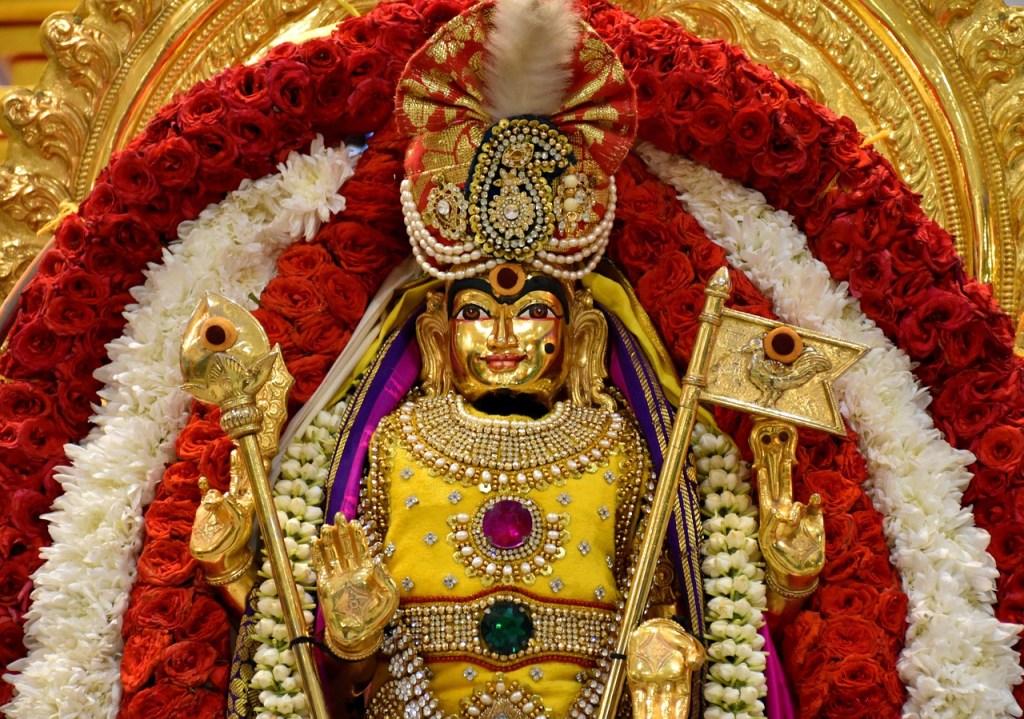
Unity of the Divine
Interfaith traditions often recognise a common ground in the divine, transcending specific religions. From this perspective, prayers offered with sincerity and compassion, regardless of tradition, can contribute to healing. Such prayers can support individuals seeking healing by providing comfort, fostering strength to overcome past traumas and offering guidance to move forward in a way that brings them peace.
Many traditions believe negative entities are attracted to specific environments and people. Prayers, in these cases, might focus on purifying and cleansing the environment, removing objects associated with the demonic and stopping any activities which are detrimental to one’s well-being.
Various spiritual paths recognise how negative influences, whether from habits or people, can compromise our well-being. Prayers in such cases can aim to promote healing and release from these negative influences, fostering a more secure and positive environment for all involved. All faith traditions hold that benevolent spirits exist which can offer protection from demonic entities. Prayers within this framework would be directed towards these protective spirits, requesting their intervention to drive out the negative entity and shield the possessed person from future spiritual attacks.
The concept of exorcism, with its diverse approaches to prayer and ritual, remains a fascinating intersection of faith, psychology and the unexplained forces which exist in the world. While science continues to illuminate the human experience, exorcism persists as a testament to the enduring human desire for healing and protection from unseen forces. Whether seen as a metaphorical purging of negative influences or a literal battle against malevolent entities, the act of prayer in exorcism offers a powerful tool for those seeking solace and a path towards a restored sense of well-being.





 Twinn Swan
Leave a comment